A recall notice can be easy to miss after a car changes owners. The original buyer may have received a letter or app notification; the current owner may know only that the car starts and drives normally. A recall is worth checking even when there is no warning on the dashboard, because the affected component may fail only under particular conditions.
In India, the SIAM voluntary-recall portal publishes manufacturer campaigns with model names, production periods and descriptions of the potential defect. It is useful for discovering that a campaign exists. It does not replace a manufacturer or authorised dealer checking your exact vehicle identification number, or VIN, against its campaign database. A model name on a recall list does not mean every example of that model is affected.
Find the VIN before searching
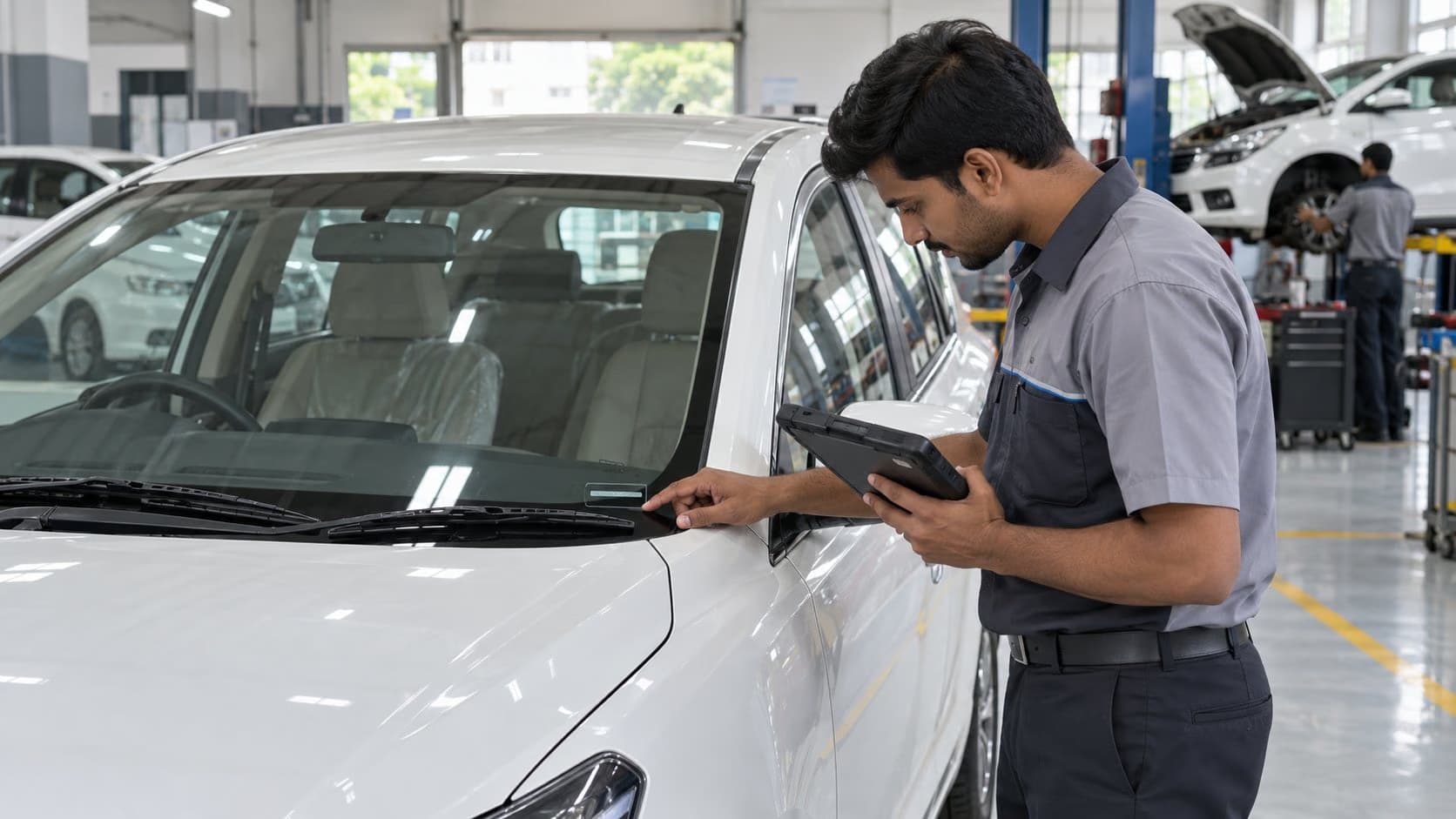
A VIN identifies one vehicle, whereas a model name identifies a family of cars. Hyundai India's customer recall page describes it as a unique 17-character serial number and lists locations including the registration certificate, insurance document and vehicle label. Check your own brand's manual for the physical location. Copy all characters carefully; confusing a digit or leaving out a character can produce a false "not found" result.
Do not paste a VIN into a random search result or a social-media form. Use the manufacturer's official India website, app or authorised service outlet. If you are unsure whether a page is genuine, navigate from the brand's main site or call a published customer-care number. A VIN is not a password, but it is a specific identifier for your car and should be handled sensibly.
Use two checks for two different jobs
Start with SIAM to see whether a recall has been announced for a model and approximate production window. Read the defect description and campaign date, not just the headline. Then check the manufacturer channel with the VIN. Some makers provide a self-service lookup: Renault India, for example, has a product-update page that asks for a VIN. Others may direct you to an authorised workshop. If the online tool is unavailable, ask the brand to confirm the result in writing.
Production dates in a public notice are a screening clue, not a final answer. A car may be sold months after manufacture. Parts batches, suppliers and factory records can narrow eligibility within a broad date window. The manufacturer's VIN-level response is what should tell you whether a particular car has an open campaign and whether a remedy has already been performed.
Ask the service desk to state the campaign code, the required inspection or replacement, parts availability and expected time in the workshop. If the car is affected, do not rely on a verbal "we will do it at the next service" without an appointment and record. The seriousness of the risk varies by campaign; ask the manufacturer whether any interim driving or parking precaution applies to your specific VIN.
A recall is different from an ordinary repair quote
The campaign notice should explain what the manufacturer will do and how affected owners are contacted. Ask the authorised workshop whether the remedy is supplied under the recall and whether any diagnostic or labour charge is proposed. Do not approve unrelated paid maintenance merely because it is offered during the same visit. Keep recall work and optional service work as separate line items on the job card.
After the remedy, request an invoice or job card that shows the VIN, campaign code, work performed and date. If the remedy is a software update, ask what module was updated and whether post-update checks were completed. If a part was replaced, record its description. These documents matter when you sell the car or if a later owner asks whether the campaign was closed.
Checking a used car
A recall search belongs alongside a used-car inspection, not in place of it. Ask the seller for the VIN before paying a deposit and verify it against the registration and the physical car. Search the manufacturer's official channel and ask an authorised workshop whether campaigns are open or completed. A clean recall status says nothing about accident history, flood exposure, odometer accuracy or routine servicing.
If an open recall appears, agree in writing who will arrange the remedy and when. Some campaigns depend on parts supply or workshop appointments, so do not assume the fix can happen on the day of sale. A previous owner having received a recall message is not proof that the work was done. The job card or manufacturer service record is better evidence.
If a lookup says nothing
A negative result can mean no campaign is open for that VIN, or it can reflect a wrong entry, an old database response or a campaign not yet visible in a public tool. Check the full VIN again, use the official site and ask the manufacturer directly when a public SIAM listing appears to overlap your model and production date. Save the date and channel of the response for your records.
Make this a routine check when buying a used car, after a manufacturer announces a campaign, and before a long trip if you have not checked for some time. It takes less effort than tracing an old notification later. The central rule is simple: use public recall lists to discover a possible issue, then use your exact VIN and an authorised channel to establish what your car needs.