Advanced driver-assistance systems have moved rapidly from luxury cars into mainstream Indian SUVs and sedans. Features such as autonomous emergency braking and blind-spot warning can add a useful safety layer, but they do not make a car autonomous.
The most valuable ADAS functions
- Autonomous emergency braking: can apply braking when a collision risk is detected.
- Forward-collision warning: alerts the driver before intervention.
- Blind-spot warning: helps identify vehicles difficult to see in mirrors.
- Rear cross-traffic alert: assists while reversing from a parking space.
- Lane-departure warning: alerts when the car drifts across a detected marking.
Why Indian roads are challenging
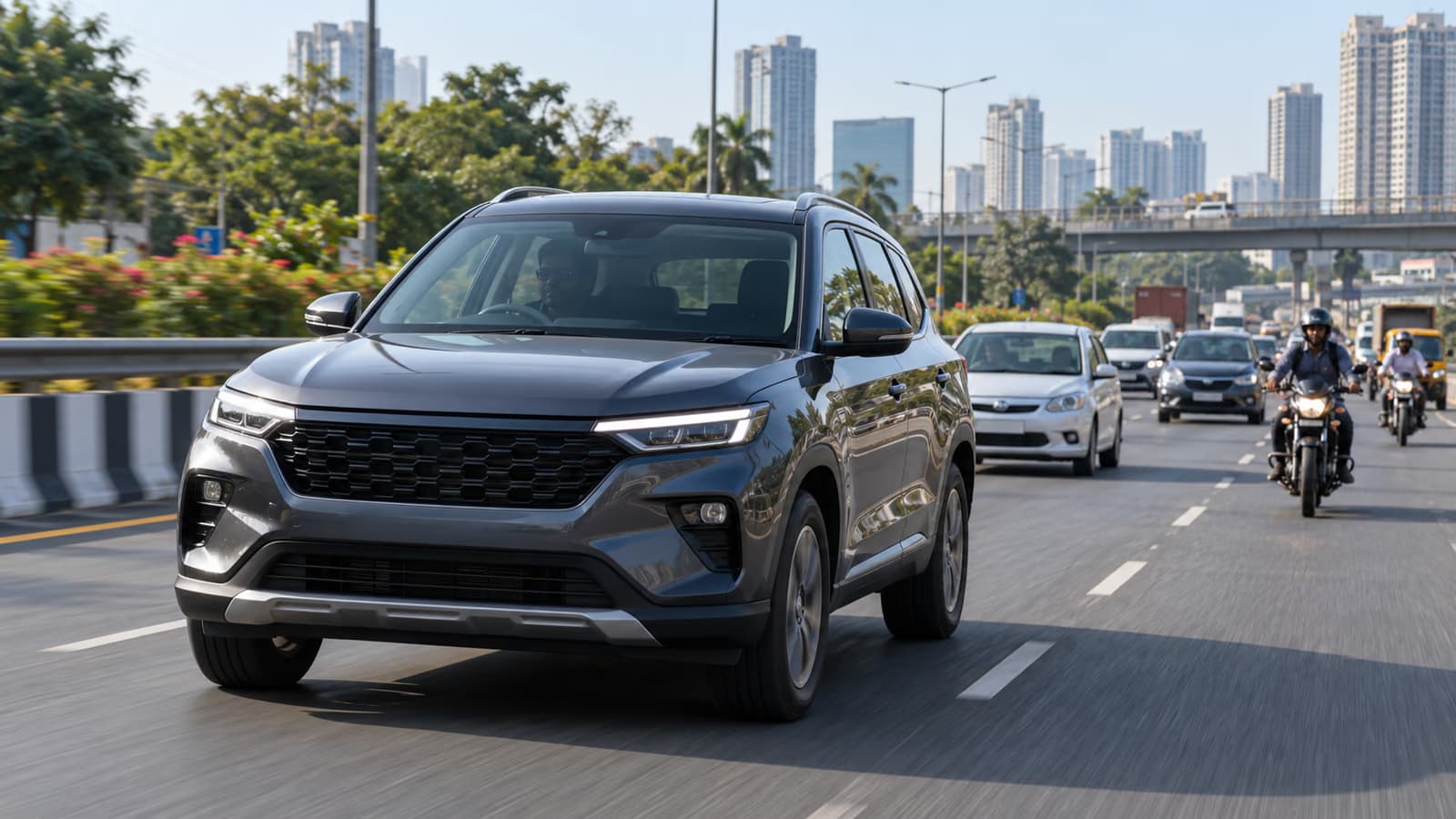
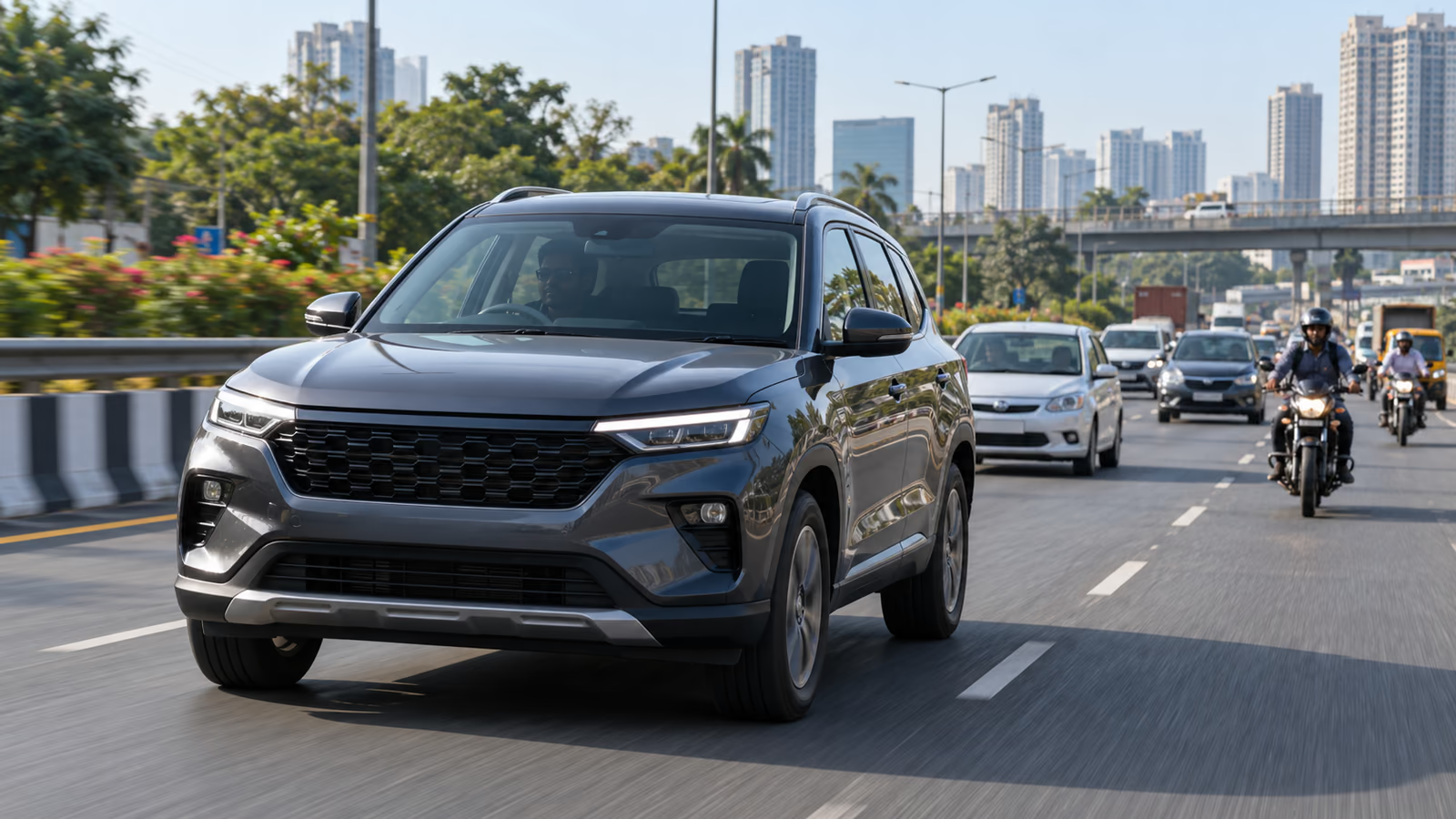
Faded markings, temporary diversions, motorcycles filtering between lanes, animals and vehicles moving against traffic create situations outside the clean highway environment many systems prefer. Performance also changes with rain, glare, fog, dust or a blocked sensor.
Lane assist needs context
Lane-keeping assistance can be useful on a well-marked expressway but intrusive on narrow roads where crossing a line is necessary to avoid a pothole or parked vehicle. Learn how to adjust sensitivity or deactivate assistance without disabling unrelated safety functions.
Calibration matters after repair
A windscreen replacement, bumper repair, wheel-alignment change or collision can affect camera and radar alignment. Ask whether the workshop has manufacturer-approved calibration equipment and obtain documentation after relevant repairs.
Ownership cost is part of the decision
Radar modules and camera-equipped windscreens can be expensive to replace. Before choosing a top ADAS variant, request an insurance quotation with relevant add-on coverage and ask the workshop for indicative calibration charges. Also check whether a warning caused by mud, accessories or a minor impact can be diagnosed locally or requires travel to a larger service centre.
Do not test emergency systems deliberately
Never drive toward an obstacle to see whether automatic braking works. Sensor limitations, speed and recognition conditions vary. Demonstrations should only be performed by trained professionals in controlled environments.
Questions for a test drive
- Which functions are standard on this exact variant?
- Can individual alerts be adjusted?
- Where are the sensors located?
- What does calibration cost?
- Does insurance cover sensor replacement?
Verdict
Well-calibrated ADAS can reduce workload and help prevent or lessen some crashes. Buy it for specific useful functions, not a Level 2 badge. Seat belts, good tyres, safe speed and an attentive driver remain fundamental.