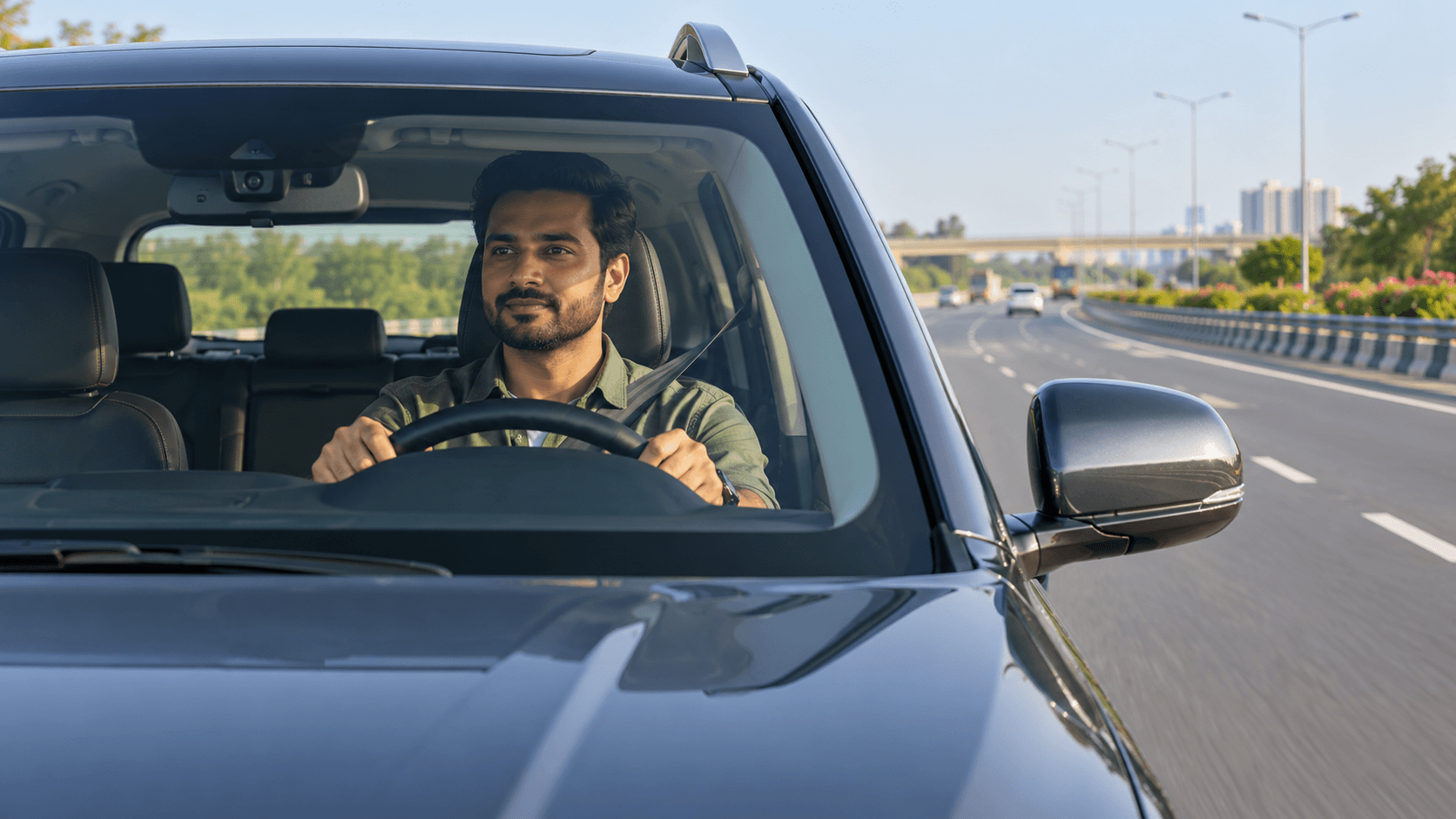
Advanced driver-assistance systems can alert, assist or intervene in defined circumstances. They are not a substitute for observation, steering control or braking readiness. Road markings, rain, glare, traffic mix and sensor visibility can all affect how a system behaves.
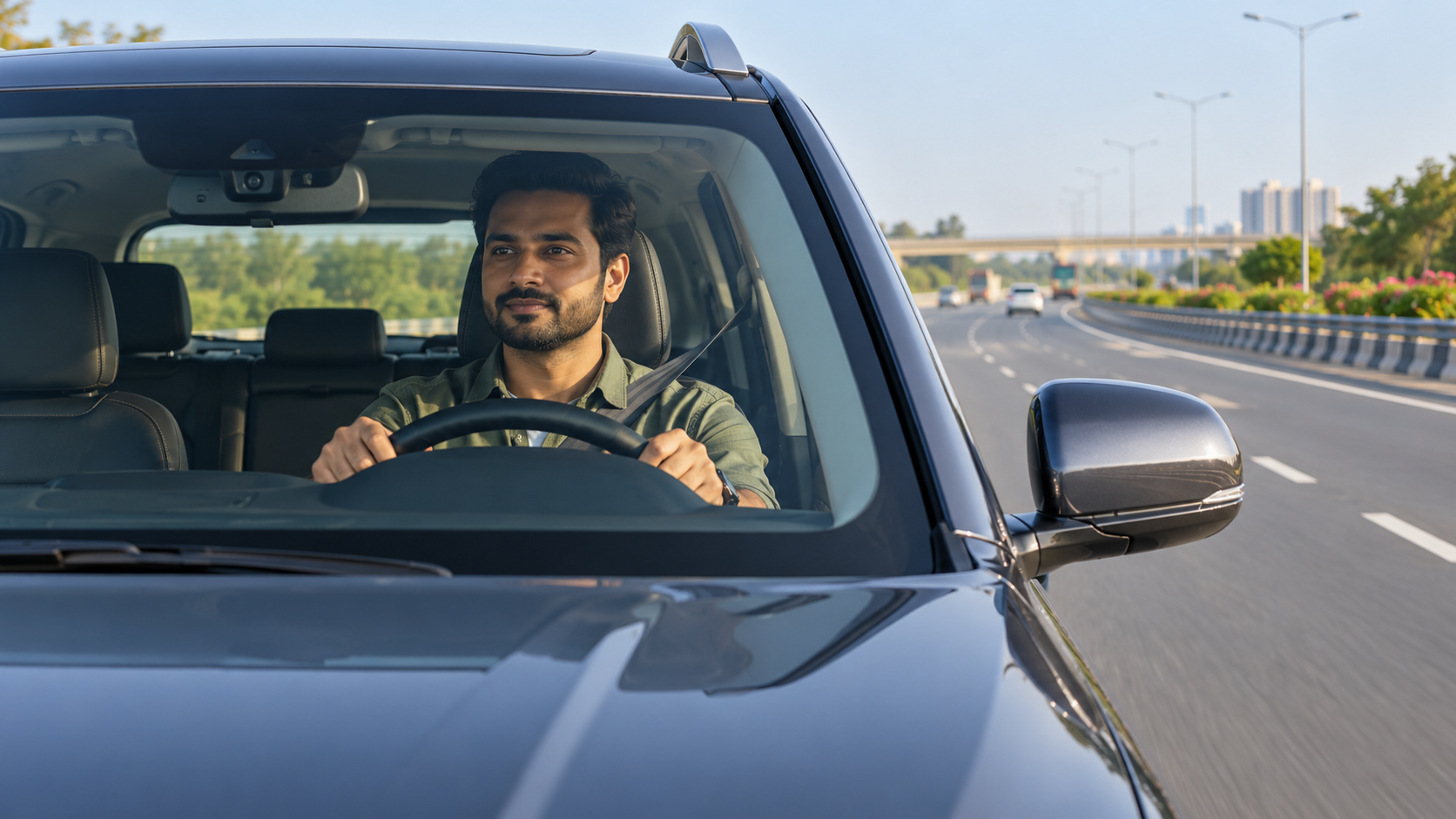
Ask the question behind the feature name
| Feature | Ask the dealer or manual | Remember |
|---|---|---|
| Adaptive cruise control | When does it disengage and what speed range applies? | It cannot interpret every road risk. |
| Lane assist | What road markings and speeds are expected? | Poor markings limit what a camera can see. |
| Automatic emergency braking | Which object types and conditions are covered? | It is an aid, not guaranteed collision avoidance. |
| Blind-spot warning | What area and side conditions are monitored? | Mirror and shoulder checks remain essential. |
Test the interface, not the limits
On a supervised test drive, ask how the system is enabled, adjusted and disengaged. Check whether warnings are clear and whether you understand the takeover message. Do not attempt to force a braking or lane intervention to prove that it works.
Buy the foundations first
Good restraint systems, brakes, tyres, outward visibility, seat comfort and predictable controls serve every drive. ADAS can add a useful margin in suitable conditions, but it should not be used to justify skipping the basics or paying for an unsuitable car.