There is a difference between a car that still drives well and one whose registration remains valid for use on the road. Owners who plan to keep a vehicle for many years should check the registration certificate (RC) well before its expiry, rather than assume an insurance renewal also renews registration. The two are separate processes.
For a private car, the starting point is the expiry recorded on its RC and the instructions of the registering authority. The Telangana Transport Department registration-renewal guidance says an application in Form 25 should be made not more than 60 days before the registration expires, with the prescribed fee and applicable dues paid. Check the latest process with the relevant transport office because appointment availability, supporting documents and online services can differ by state.
Start with the RC, not an online estimate
Find the registration number, registering authority and validity date on your RC. Compare the vehicle and owner details with your other records. If your address, ownership or loan status has changed, resolve any discrepancy with the authority before assuming the renewal application will accept it. An expiry date calculated from a purchase invoice is not a substitute for checking the certificate.
Make a note to start gathering documents before the application window opens. Do not leave the vehicle's inspection, if required, until the last available day: a missing document or a repair may require a second visit. If the RC has already expired, contact the authority for the applicable process and charges instead of assuming there is an automatic grace period.
What Form 25 asks you to prepare
The official Form 25 is the application for renewal. It asks for vehicle and registration details and includes declarations relevant to the application. Read the current form and your local authority's checklist before filling it in; use the information on your records, not a guess based on the model name.
Keep the existing RC, valid insurance details and pollution certificate available. Proof of address, tax payment, identity or other documents may be requested depending on the circumstances and local process. Where a loan or other financial agreement is recorded, check whether additional consent or supporting documents apply. The correct answer depends on the record and authority; having a loan entry does not by itself establish which extra document you must submit.
Inspection and roadworthiness
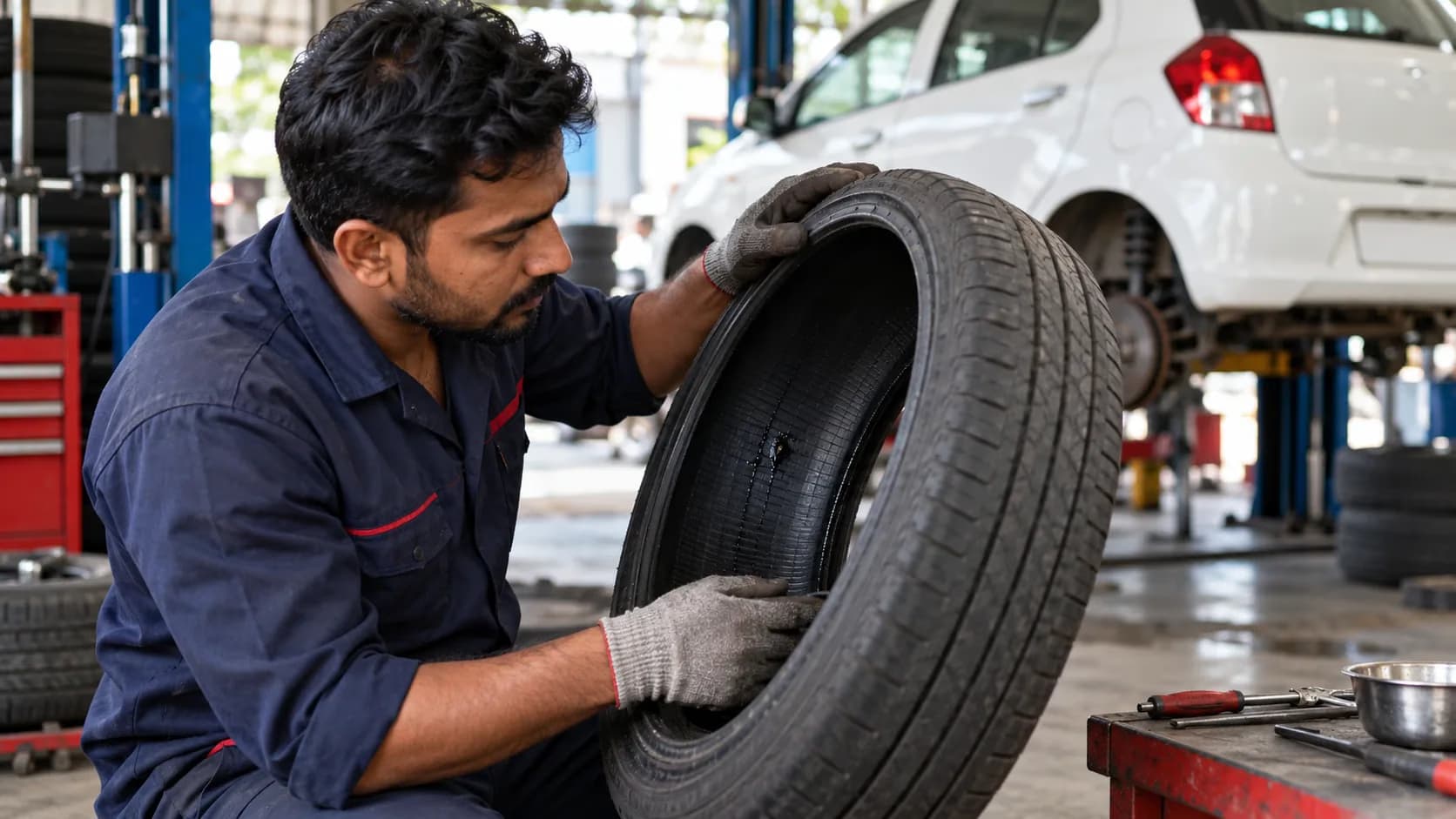
Ask the authority how a physical vehicle inspection is arranged and what must be presented. Before an appointment, check obvious issues: lamps, tyres, mirrors, brakes and registration plates should be in serviceable condition. Fixing a known fault before visiting can save time, but a garage check is not a replacement for the authority's decision.
Do not modify identification details or attempt a repair to conceal a fault. Where the office identifies an issue, ask for a written explanation of the next step and retain receipts for any work. A registration renewal, insurance policy and pollution certificate serve different purposes; one should not be treated as proof that the others are current.
Fees, tax and official channels
Use the official transport portal or your registering authority to confirm the current fee, taxes due, payment method and any late charges. Amounts can depend on the vehicle and circumstances, so a figure from an old article or an agent's message may not be applicable. Before paying, verify that the portal belongs to the relevant government service and review the application and payment details.
Save acknowledgement numbers and payment receipts. If an intermediary offers to help, ask for a clear breakdown of government charges and their service fee separately. Never share a one-time password or pay through a link whose destination you cannot verify.
A simple renewal sequence
- Check the RC's expiry, registering authority and personal details.
- Review the official checklist and Form 25; confirm how early the application can be filed.
- Gather the RC, insurance, pollution certificate and any locally required supporting documents.
- Check applicable fees and arrange an inspection or appointment if the authority requires one.
- Submit the application, keep acknowledgements, and check its status through an official channel.
- After approval, verify the renewed certificate's particulars and validity rather than assuming the payment receipt is the final RC.
When the owner has moved or financed the car
An owner who has moved should check which registering authority handles the application and whether an address update or other paperwork is needed. Do this before booking a visit: the address printed on an old insurance schedule and the address on the RC may not be the same. The local office can explain the appropriate order of applications and the evidence it accepts. Avoid submitting an inaccurate address just to make an online form advance.
If the RC records a finance agreement, gather the relevant loan records and ask the authority or lender whether they affect the renewal request. A loan repayment receipt is valuable evidence but does not automatically change an RC entry. Do not assume that renewing a certificate also removes a finance endorsement.
If an inspection identifies work
Ask exactly what failed or needs attention, how it is recorded and whether a repeat appointment is required. Obtain an estimate before authorising repairs and keep the invoice. A tyre or lamp problem deserves proper repair; cosmetic cleaning cannot replace safe operation. For unusual identification or documentation issues, speak directly with the authority rather than allowing a third party to improvise a solution.
Keep the application acknowledgement separate from the vehicle's existing documents, and note any deadline given for completing the process. After collecting the renewed RC, check the owner's name, registration number and validity period for errors. Promptly ask the authority how to correct a mismatch.
Keep the renewal record usable
A folder with a copy of the application, appointment, payment receipts and final certificate makes a later query easier to resolve. Where electronic records are available through an official service, verify that they match the issued document. Do not rely on screenshots from an intermediary as the only proof that the application succeeded. Maintain insurance and pollution records separately, with their own renewal reminders.
Check the vehicle before making a final decision
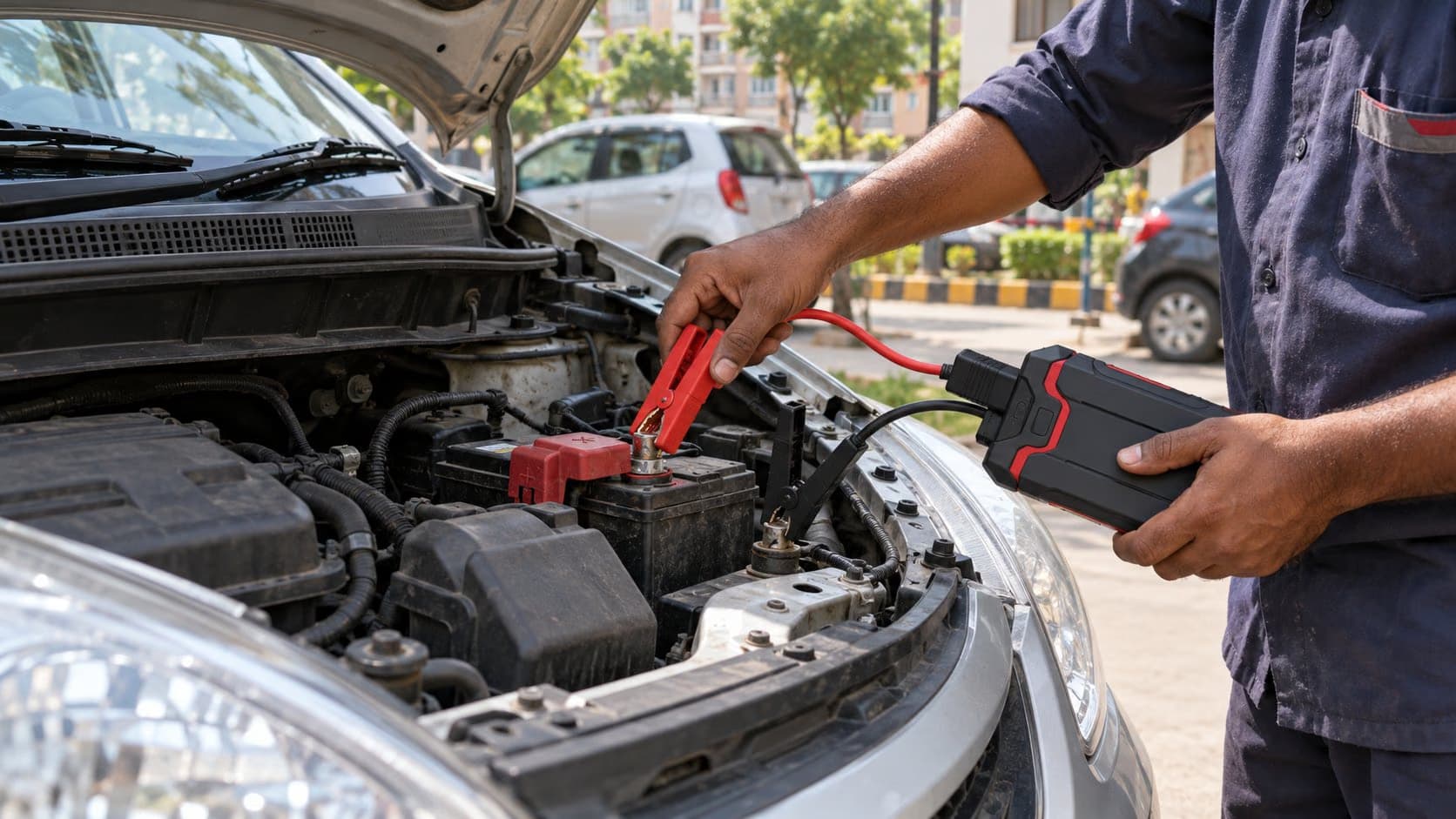
Renewal is also a good moment to consider the car's condition and your future use. Ask a qualified workshop to explain any significant safety repairs, obtain a written estimate and decide what work is needed before presenting the vehicle. If the car is used infrequently, that does not remove the need to check the relevant documents before taking it onto a public road. A recently charged battery or a successful short drive does not establish that every component is sound.
Where local rules place additional restrictions on older vehicles, ask the appropriate authority about your particular vehicle and location. Registration validity and restrictions on vehicle use are separate questions. Avoid relying on a national-sounding claim that may not cover your city, vehicle class or current rules.
Questions owners often ask
Can a valid insurance policy replace RC renewal? No. Insurance and registration are separate requirements, with separate documents and dates.
Is a garage fitness check the same as the official inspection? No. A mechanic can identify maintenance issues, but the registering authority determines the applicable inspection and renewal procedure.
Will the process be identical in every state? Do not assume so. Check the current service and requirements for your own registering authority, especially if your records or address have changed.
The practical goal is simple: give yourself time to find an inconsistency, correct it and complete any inspection. A few minutes checking the actual RC now is more useful than relying on an estimated expiry date later.