A recall notice can feel alarming, but it is usually a controlled way to inspect or replace a component before a broader problem develops. The right response is neither to ignore a message nor to assume every car of the same name is affected. Recall eligibility is commonly tied to a production window and vehicle-identification details.
Start with the official record
SIAM’s voluntary recall portal publishes manufacturer recall information for public access. A listing may identify the model, production period, affected quantity and the reason for the action. It is a strong first check, but the authorised manufacturer workshop remains the final source for confirming a particular vehicle’s eligibility.
Use the exact VIN/chassis number from your RC, invoice or the vehicle itself. A model name alone is not enough: a recall may apply to only a subset of cars built within a particular date range.
A sensible recall workflow
- Search the SIAM voluntary recall portal for the manufacturer and model.
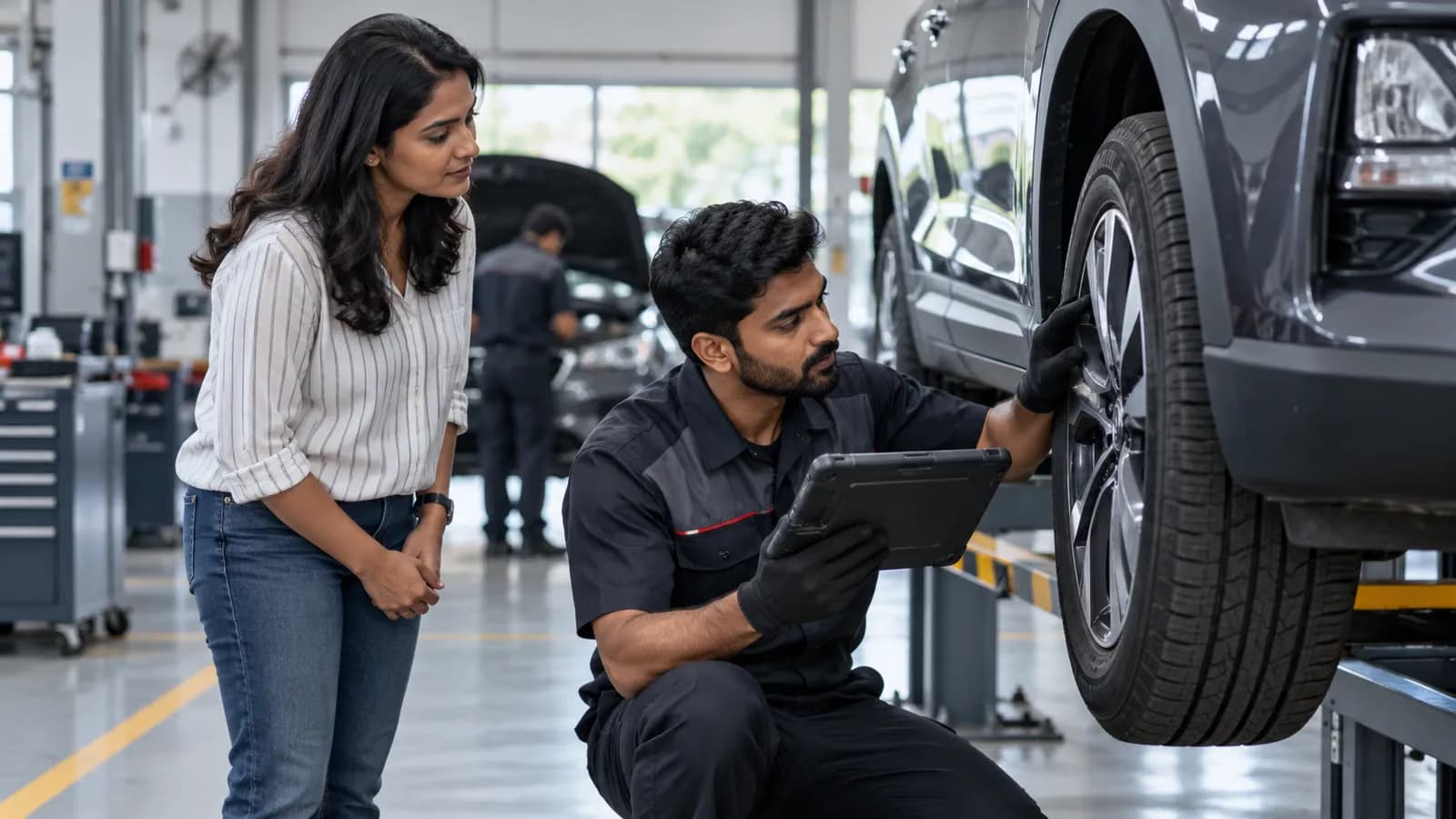
- Call an authorised workshop, share the VIN and ask whether an open campaign applies.
- Ask what work is involved, whether parts are in stock and how long the visit is expected to take.
- Obtain a job card and retain the completion record after the work is done.
- Check whether any dashboard warning or driving restriction was mentioned by the manufacturer, rather than relying on online commentary.
What a buyer of a used car should do
Before paying for a used car, ask the seller for the VIN and service history. Then independently ask an authorised workshop whether there are any open campaigns. A completed recall is generally a positive sign because the specified work has been recorded. An unresolved campaign is not automatically a deal-breaker, but it deserves a clear appointment and written confirmation before ownership changes.
Do not turn a recall into a diagnosis
A recall notice does not prove that your individual car has failed, and an unrelated warning light does not prove it belongs to a recall. Keep those questions separate. Describe actual symptoms to the workshop, and let the recall check be a VIN-based administrative and technical process.
Questions worth asking the advisor
- Is there an open recall or service campaign against this VIN?
- Is the work free of charge, and are there any exclusions?
- Does the vehicle need to remain at the workshop?
- Will the completion appear in the manufacturer service history?
- Is there any advice about driving until the appointment?
Bottom line
Recalls are most useful when owners respond early and document the repair. The official portal helps you identify the campaign; the VIN check at an authorised workshop confirms whether it applies to your car. That is a much better process than waiting for rumours or assuming a vehicle is unaffected because it feels normal to drive.