E20 petrol attracts strong opinions because the subject touches fuel bills, reliability and older cars. The useful answer is usually less dramatic: compatibility depends on the vehicle, while day-to-day fuel use depends on route, traffic, maintenance, tyres, load and driving style.
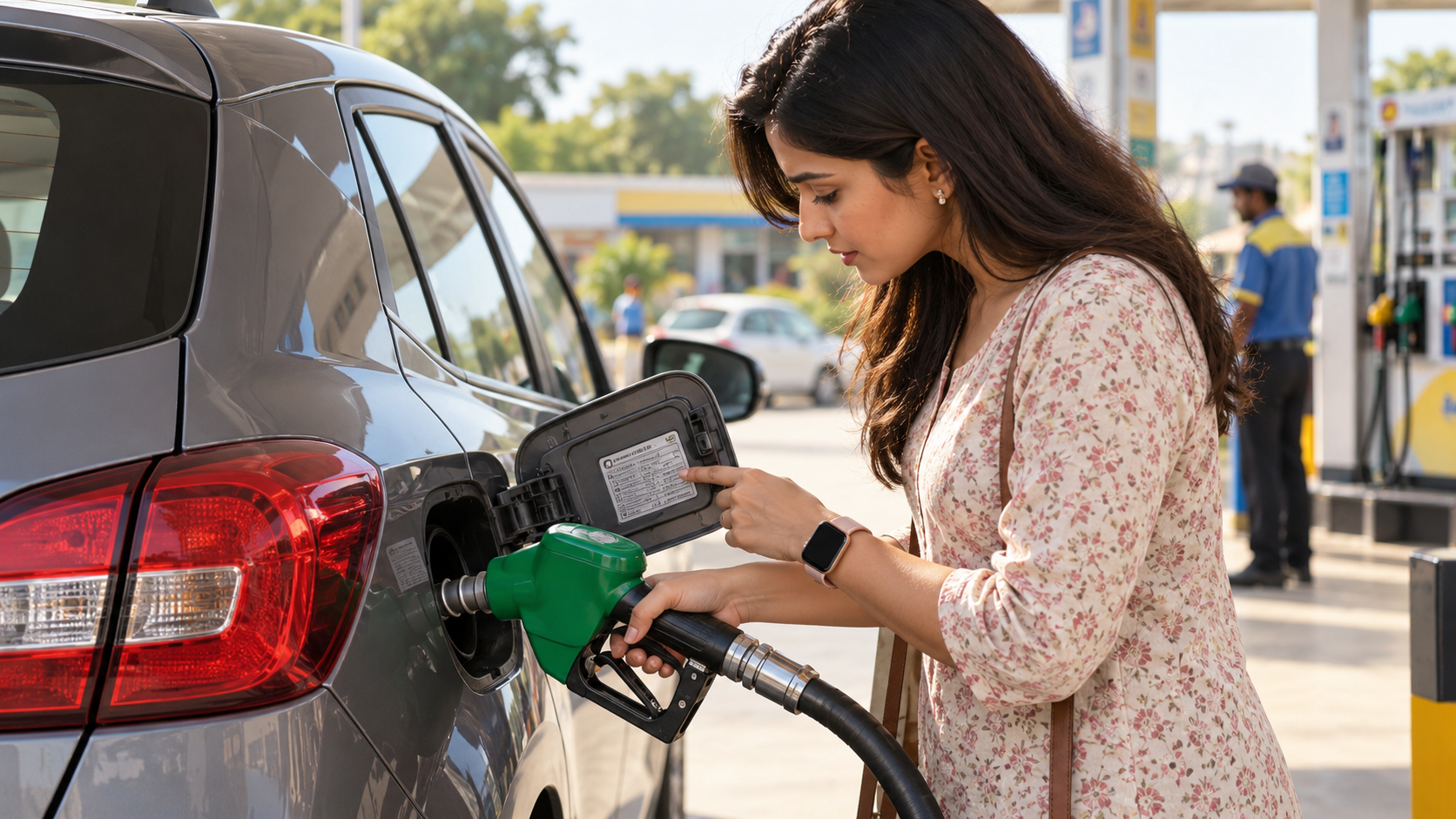
Start with three sources, in this order
| Question | Best first source | Useful follow-up |
|---|---|---|
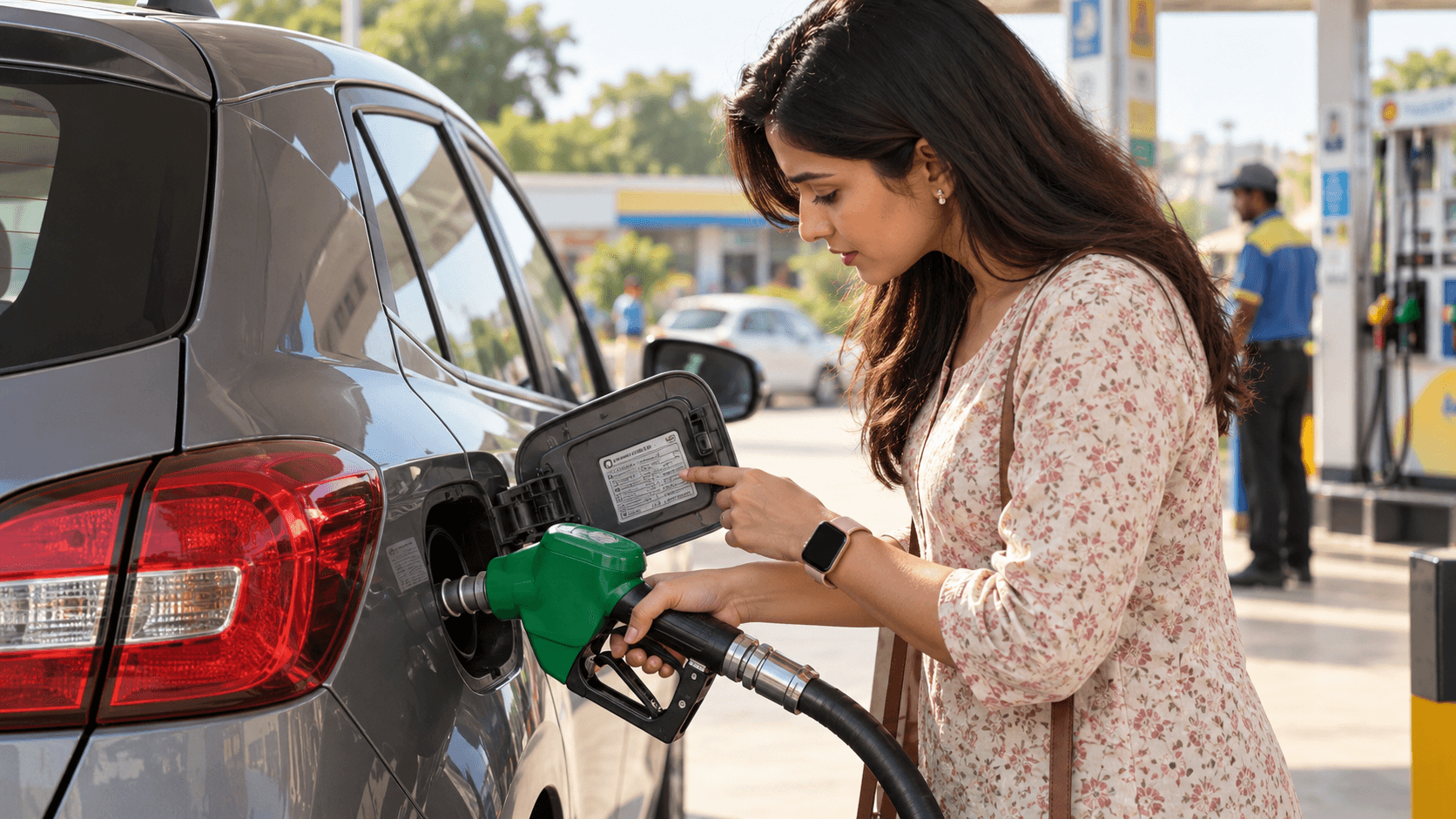
| Is my car compatible? | Fuel label and owner manual | Authorised workshop using the VIN |
| Does maintenance change? | Manufacturer service schedule | Written dealer service advice |
| Has efficiency changed? | Several tank-to-tank records | Tyre, route and traffic review |
What industry guidance adds
SIAM has noted that real-world efficiency is influenced by several operating and maintenance variables and has advised against drawing broad conclusions from isolated reports. Its clarification on fuel quality also points to the multi-parameter regulatory testing framework. Those points reinforce a simple rule: measure your car over time instead of judging it from one tank.
Good ownership practice remains ordinary ownership practice
- Use the specified fuel and follow the prescribed service schedule.
- Keep tyres, air filter and ignition system in condition.
- Investigate leaks, rough running and warning lights promptly.
- Avoid unapproved additives or informal modifications.
A fact-based E20 decision is rarely exciting. It is a quick check of the handbook, a question to the right workshop and a record of what the vehicle actually does.