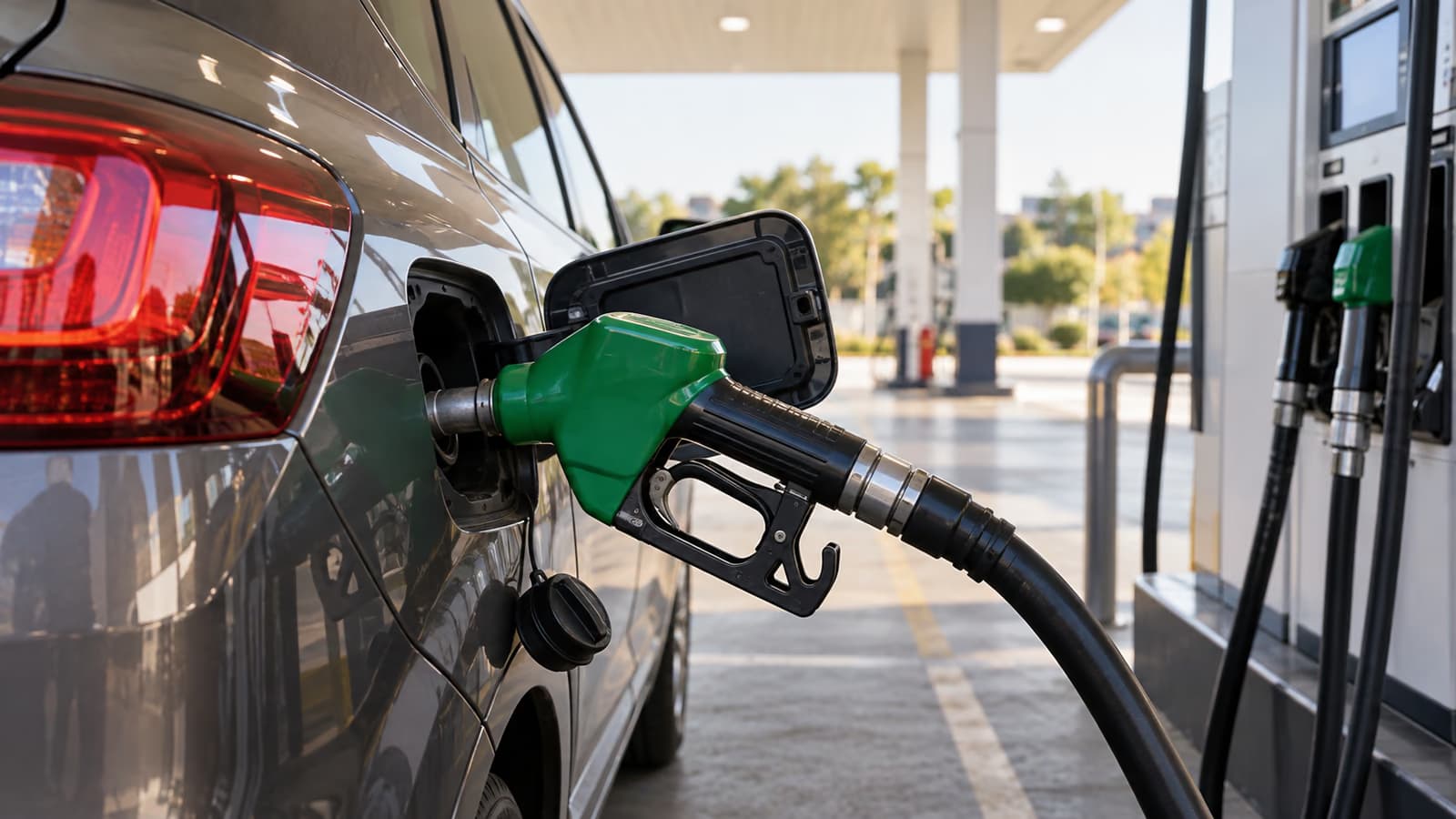
E20 petrol contains 20 percent ethanol blended with petrol. Its wider rollout has created two extreme claims: that it makes no difference at all, or that it will quickly destroy every older engine. Neither is a useful way to guide an owner.
Compatibility depends on the vehicle's materials, calibration and model year. Fuel economy also depends on traffic, driving style, maintenance, tyre pressure and air-conditioning load.
How to check whether your car is E20 compatible
- Read the fuel label near the filler cap.
- Check the owner's manual and manufacturer website.
- Use the VIN when asking an authorised workshop.
- Request written confirmation instead of relying on a sales statement.
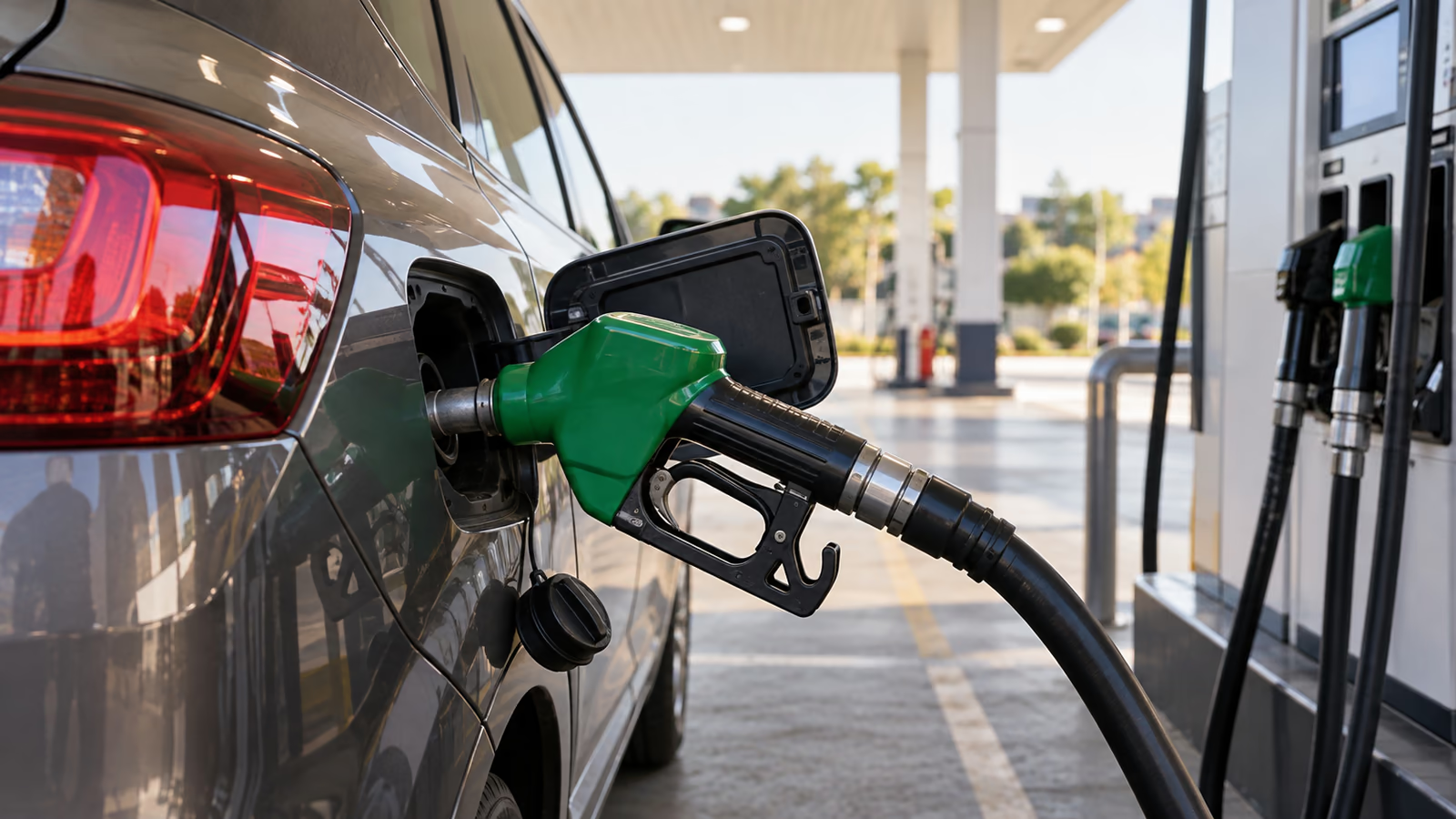
Why mileage can change
Ethanol contains less energy per litre than petrol, so a mileage reduction is technically plausible even in a compatible vehicle. Government responses and Indian testing organisations have also emphasised that the observed result varies by vehicle and operating conditions.
Measure over several full tanks using the tank-to-tank method. One dashboard reading after a traffic-heavy commute is not reliable evidence.
Does E20 damage engines?
Vehicles engineered for E20 use compatible hoses, seals and calibration. Concern is more relevant to older vehicles designed for lower blends, where long-term material compatibility may differ. That does not mean immediate failure, but owners should follow manufacturer guidance rather than adding unapproved chemicals.
Maintenance steps that actually help
- Follow the correct oil grade and service interval.
- Keep the air filter, ignition system and injectors in good condition.
- Maintain tyre pressure and wheel alignment.
- Investigate warning lights, rough running or fuel leaks promptly.
- Do not stockpile fuel or use unknown aftermarket additives.
What owners of older cars should do
Ask the manufacturer whether any inspection or component replacement is recommended. Keep service records. If a vehicle is used infrequently, avoid leaving it parked for unusually long periods with stale fuel and follow storage guidance in the manual.
How to calculate the real cost
Track kilometres, litres and price for at least three comparable tanks. Compare cost per kilometre, not mileage alone. A small efficiency change can be outweighed by traffic or maintenance differences.
Official context
Compatibility milestones and mileage context were checked against written Government of India parliamentary responses, including the official mileage clarification. Owners should prioritise instructions for their exact vehicle.