Range anxiety often comes from trying to turn one advertised number into every possible journey. A better approach is to turn your repeated journeys into energy questions: how far is the office return trip, how fast is the highway leg, where can the car charge while parked and what reserve would make you comfortable?

Make a three-route worksheet
| Route | Record | Why it matters |
|---|---|---|
| Ordinary weekday | Distance, parking duration, air-conditioning use | Shows whether home/work charging covers routine use |
| Weekend highway | Speed, elevation, passenger and luggage load | Shows charging-stop planning needs |
| Bad-day route | Rain, detour, traffic or unavailable first charger | Sets the real reserve requirement |
What changes consumption
Speed, temperature, gradients, tyres, passenger load, air-conditioning, regeneration opportunities and driving style all matter. The effect is not identical across cars or days. That is why a realistic ownership calculation should use a range band, not a single perfect number.
Use the test drive intelligently
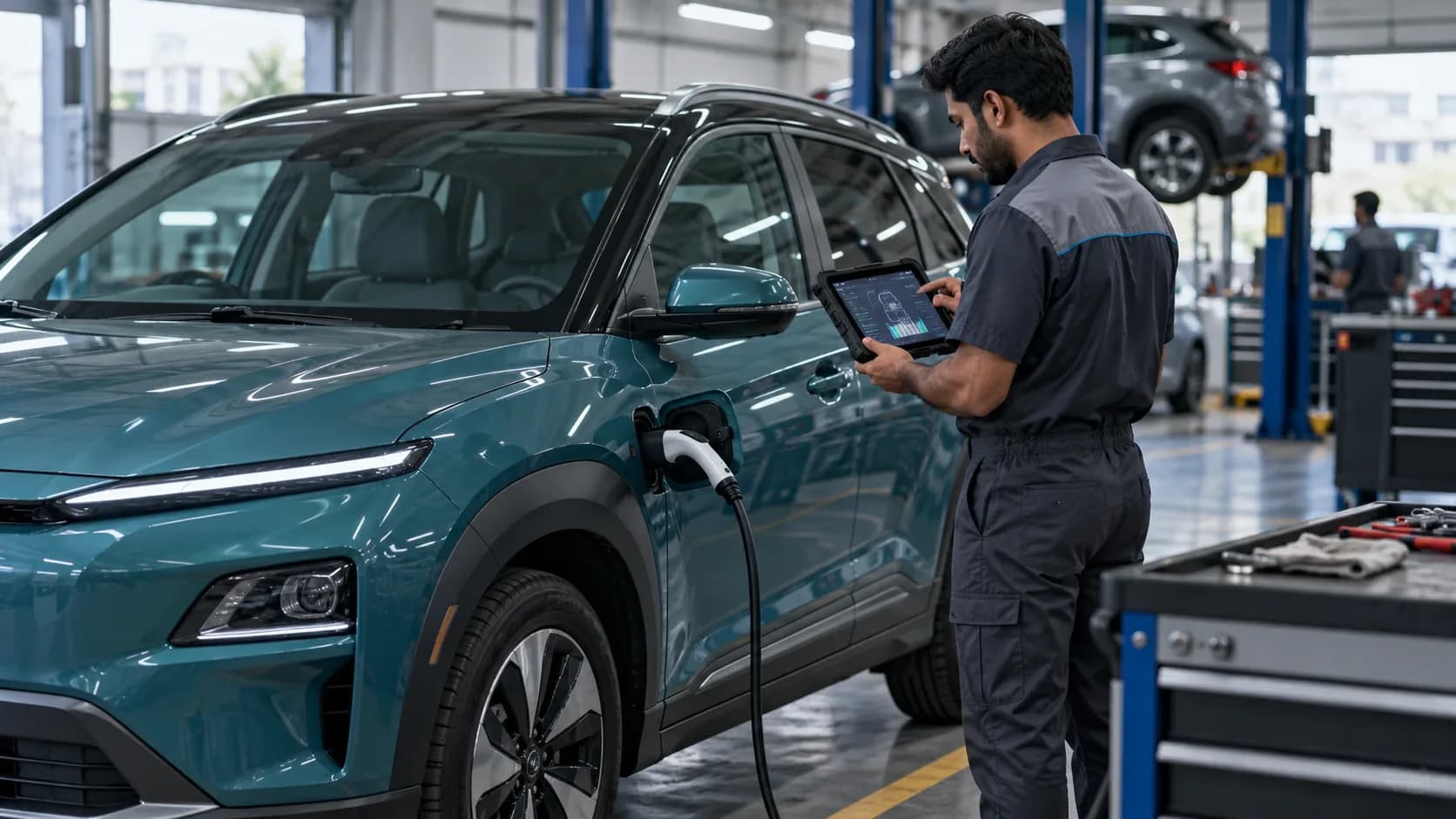
Ask the advisor to show state of charge, projected range, drive modes and the charging screen. Drive a familiar loop if possible. The aim is not to recreate a laboratory cycle; it is to understand the car's information and energy behaviour before committing.
The right reserve is personal
A driver with reliable home charging may be happy with a smaller daily buffer than someone who parks on the street or makes frequent inter-city trips. Choose a car and battery size that leaves room for the inconvenient days as well as the ordinary ones.