The 2026 Tata Punch.ev asks buyers to make a decision before they start choosing colour or trim: is the 30 kWh battery enough for the journeys they actually make, or is the 40 kWh version worth the extra money? A larger number on a range chart is useful, but the answer depends more on where the car sleeps, how often it leaves town and how much charging uncertainty you can tolerate.
Tata lists both battery sizes in the current Punch.ev specifications. The manufacturer quotes an ARAI-certified full-charge range of 365–375 km for the 30 kWh versions, depending on configuration, and 468 km for the 40 kWh. These are certification figures, not a prediction for a hot day with five occupants and highway speeds. Treat them as a way to compare versions under one test method, then plan with a margin for your own usage.
Start with a week of journeys
Write down the kilometres covered on each day of a normal working week, then mark the outliers: airport runs, family visits, intercity appointments and the occasional holiday. If the car can reliably charge at home overnight and the daily loop is modest, the 30 kWh version may leave plenty of usable headroom. Buying the larger pack solely because the brochure number is higher can tie up money that would be better spent on a suitable variant or a proper home electrical installation.
A household that parks on the street or relies on public charging faces a different equation. Even if the daily distance is short, access to a usable charging point can be irregular. A bigger pack means fewer charging sessions and more flexibility when a station is occupied or offline. It does not solve a fundamentally poor charging plan: identify the places you can actually use and check payment, access hours and connector compatibility before buying either version.
For highway use, do not subtract the distance between two chargers from the 468 km claim and call the trip planned. Allow for sustained speed, air conditioning, elevation changes, headwind and the reserve you want on arrival. The charging stop you need may also be more convenient before the battery reaches a very low state of charge. Plan around a comfortable reserve and a backup charger, then see whether either Punch.ev pack fits the route without awkward detours.
Charging speed needs context
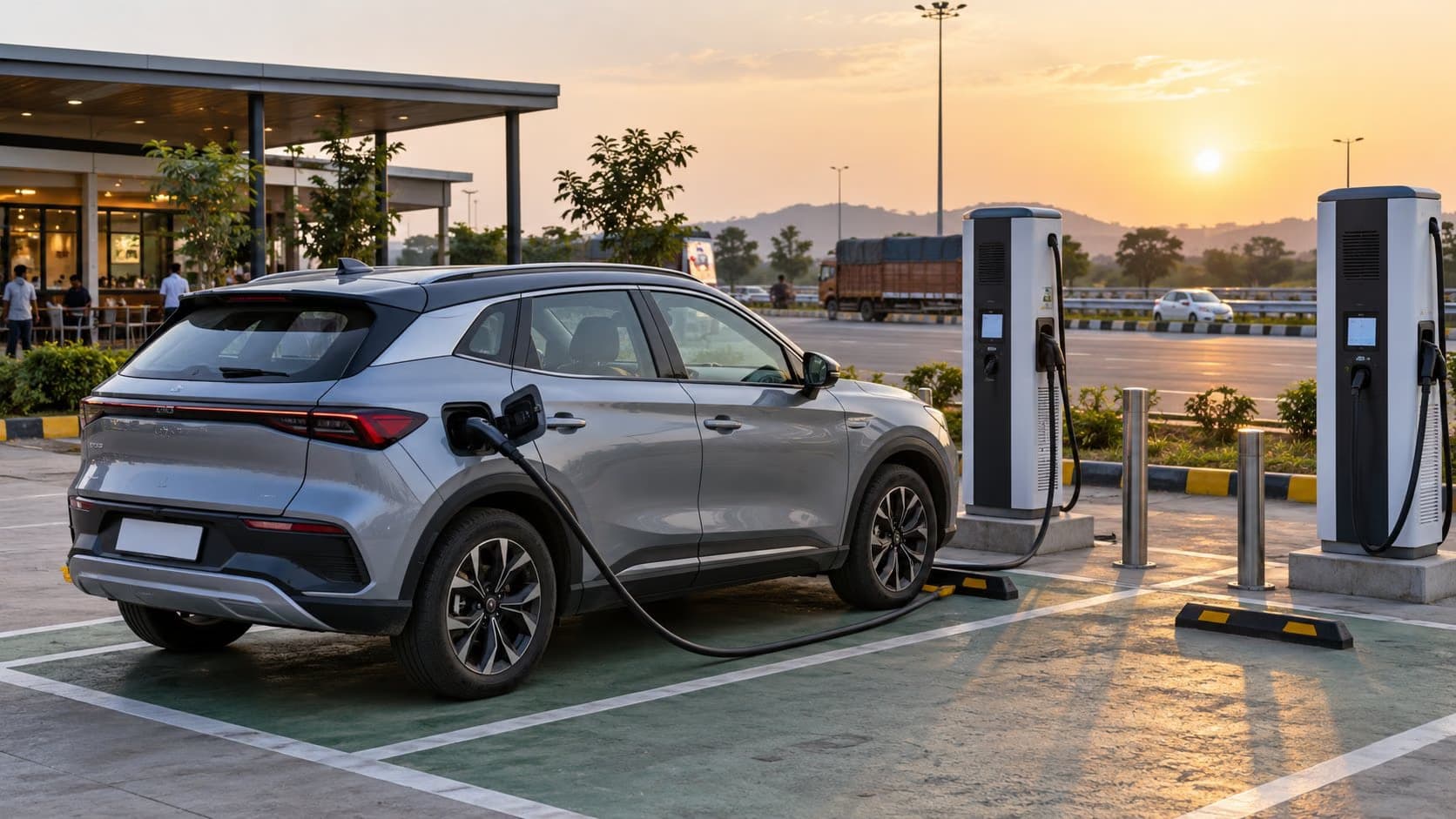
Tata highlights faster DC charging on the new 40 kWh Punch.ev, including a claimed 20–80 percent session in 26 minutes under stated conditions. The same company notes that a short top-up can add a significant amount of range. Neither figure guarantees that every public charger will deliver the same result. Station power, battery temperature, state of charge and the car's charging curve affect the actual session. A charger rated higher than the car's peak acceptance cannot force extra power into it.
At home, the important question is the AC charger and electrical supply you will actually install. Ask Tata which equipment is included with your chosen variant, what faster AC option costs, and whether your sanctioned load and parking arrangement support it. Get a written installation assessment before the vehicle arrives. For many owners, predictable overnight AC charging makes the battery-size debate less dramatic than it appears in an advertisement.
The warranty is a reason to read the terms, not just the headline
Tata advertises a lifetime high-voltage battery warranty for the 40 kWh pack, with terms tied to the first registered private owner. That is an important distinction for buyers who may sell the car or buy it used. Read the current written policy for transferability, coverage, exclusions and the threshold for a qualifying battery concern; keep the warranty document with the purchase papers. Do not assume that "lifetime" means every battery-related component is covered forever for every future owner.
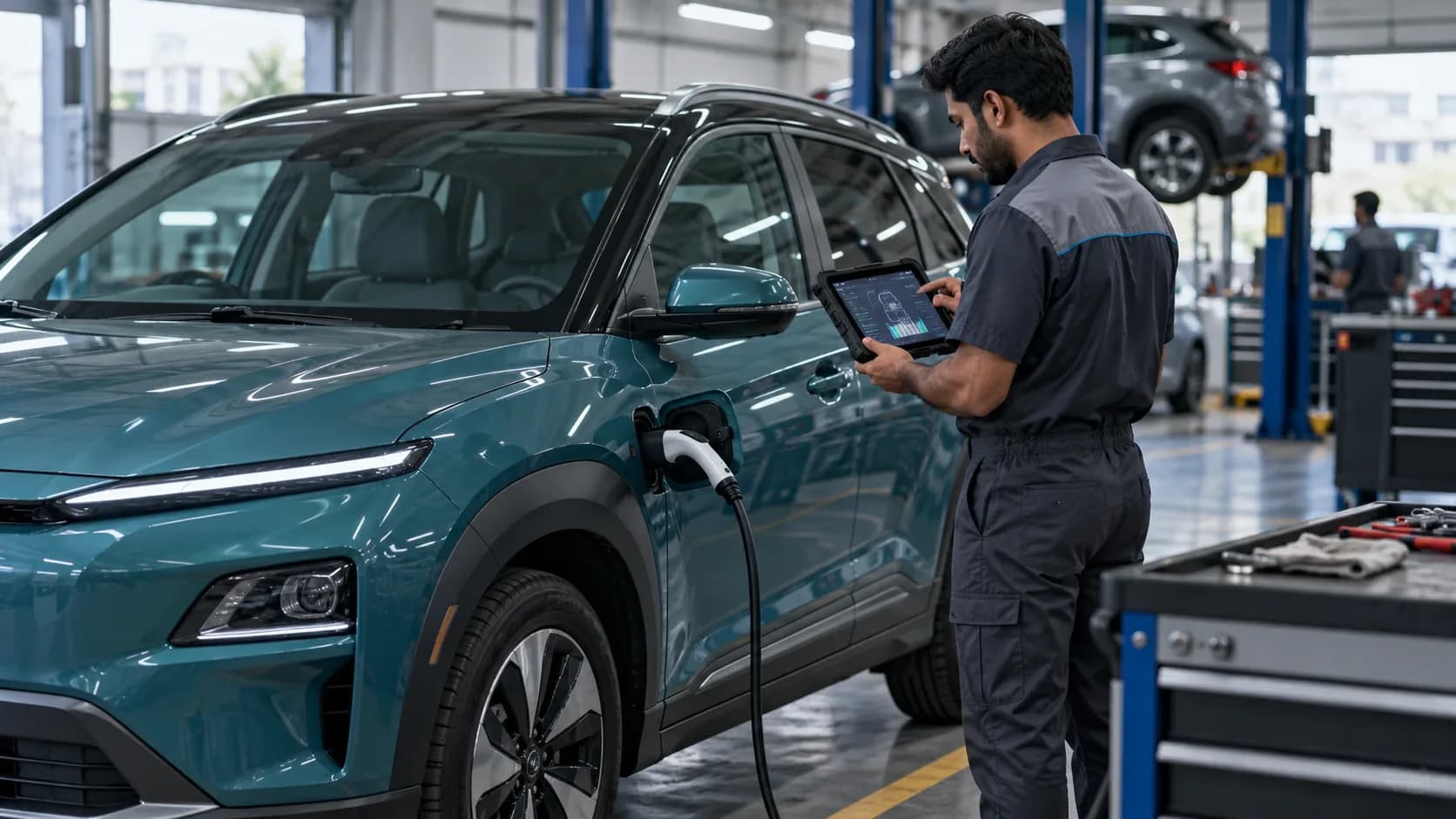
The 30 kWh version has its own warranty terms. Request the documents for both packs before comparing prices. Ask how diagnostic reports are obtained, whether an authorised service centre can check battery health and what happens if the vehicle spends long periods unused. A headline warranty can reduce a worry, but service access and the exact claim process determine how useful it is in practice.
Compare the actual variants, not just the cells
Battery size and equipment are linked in the variant ladder. Tata's product information shows differences in infotainment, camera and comfort equipment across trims. Make a two-column list of the exact 30 and 40 kWh variants available to order, with charging equipment and the safety features you care about. A price jump between two cars may include a trim upgrade as well as ten more kilowatt-hours. That matters when calculating the value of the bigger pack.
Drive the selected variant, preferably with the occupants and luggage you expect to carry. Check rear-seat comfort, visibility, the boot opening, the ease of using charging menus and how clearly the car estimates remaining energy. If a salesperson demonstrates a feature on the top trim, confirm it exists on your chosen car. The same caution applies to advertised charging times: ask which battery and test conditions the number belongs to.
A simple decision rule
Choose the 30 kWh Punch.ev when a predictable charging routine and ordinary daily distances leave a comfortable margin, and the saved purchase money matters more than occasional longer stops. Choose the 40 kWh when longer or less predictable journeys are common, charging opportunities are uncertain, or the variant and warranty terms justify the extra outlay. Neither battery turns a charging-poor route into an effortless one.
Before paying, ask the dealer to write down the exact pack, trim, included charger, installation cost, warranty document and delivery timing. Then map one difficult real journey with the charging options available today. That exercise is more useful than arguing over a single claimed-range number.
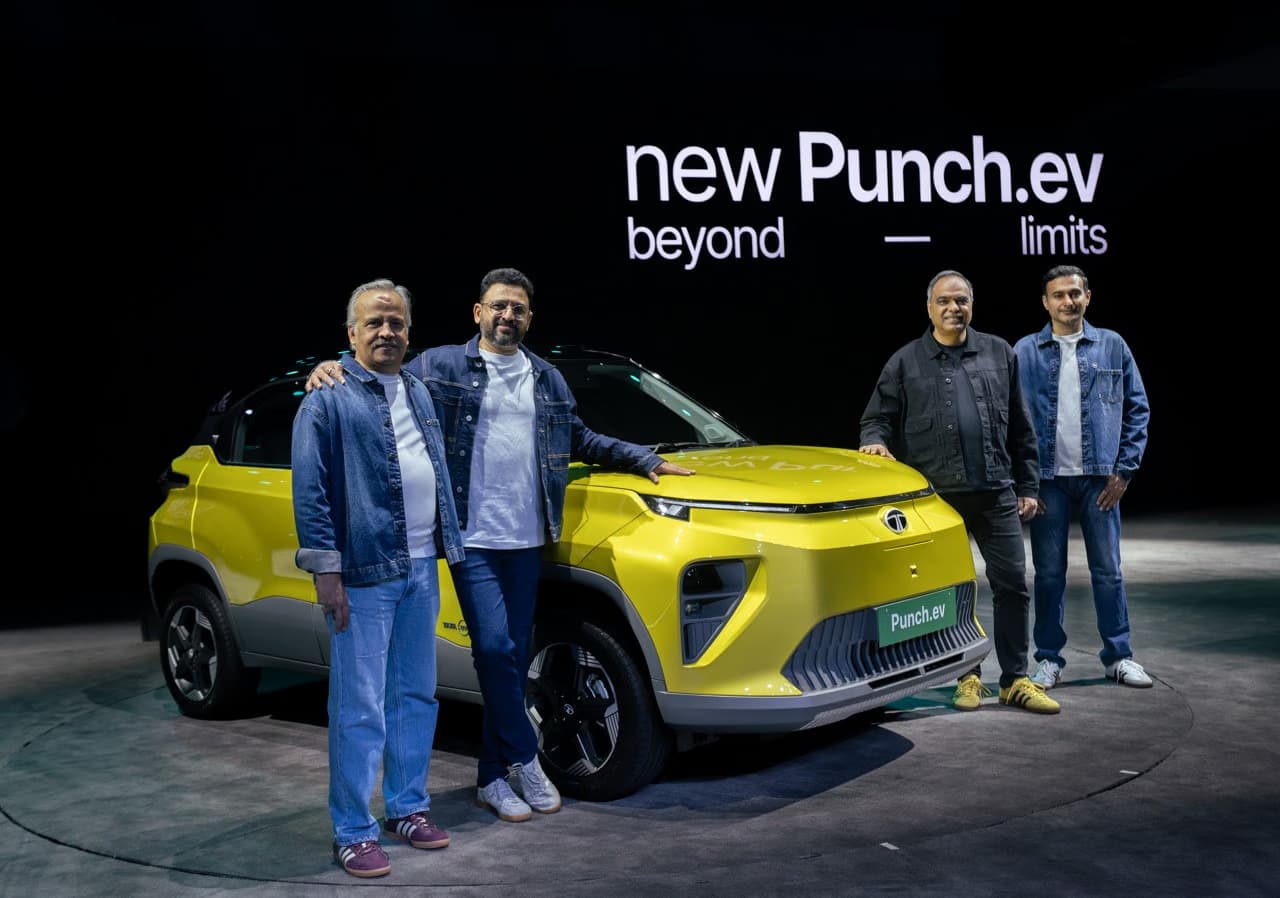
See the verified Tata Punch EV model page for the model overview. Manufacturer figures and terms should be reconfirmed for the VIN and variant you order. Cover photograph: Tata Motors press release.