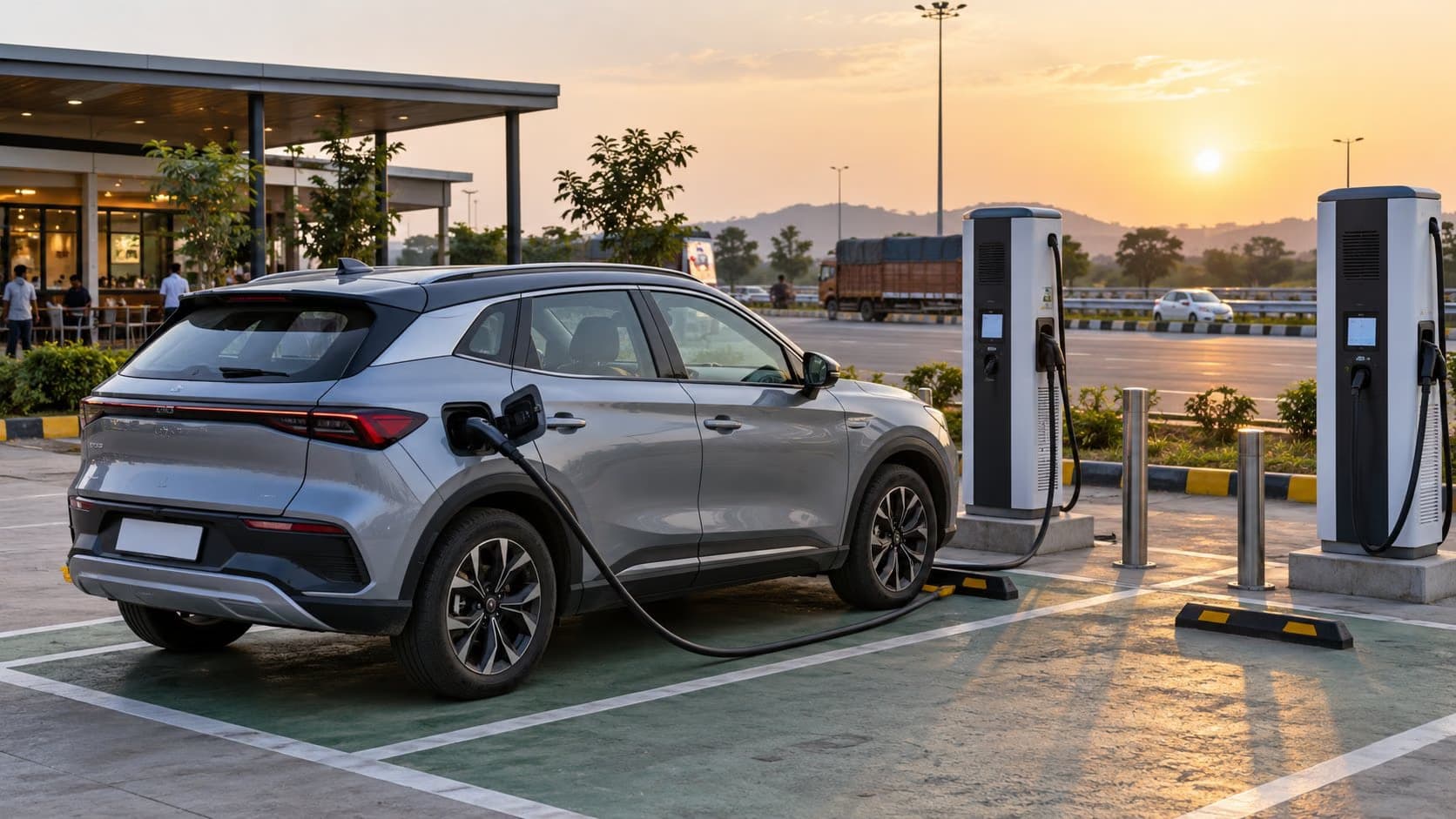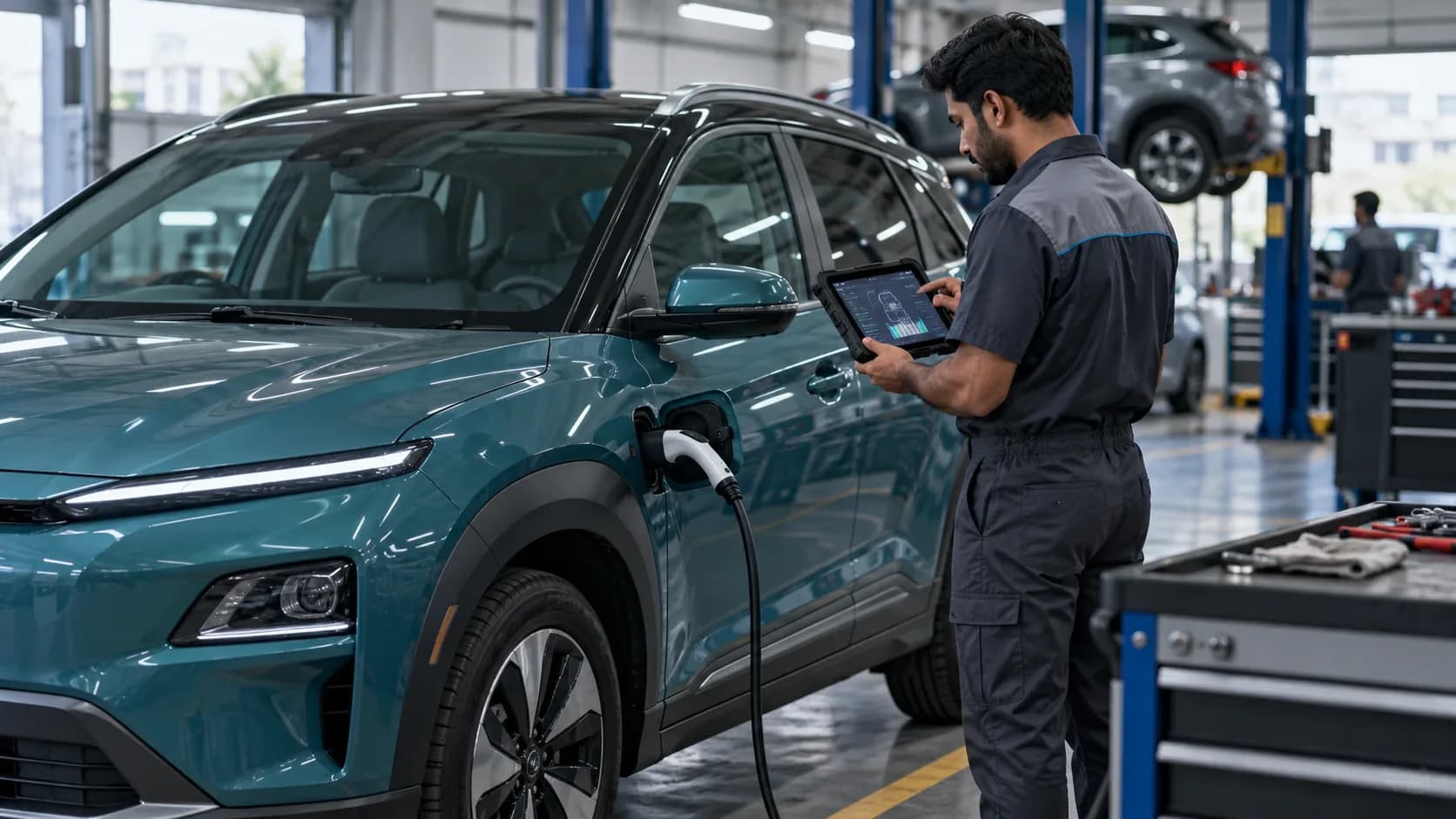
An EV can be easy to live with when charging is planned before delivery. In an apartment, the real decision is not only which wallbox to buy. It is whether the parking bay, cable route, electrical capacity and society process work together safely every day.
Begin with the parking bay
Confirm the exact bay, the distance to the proposed electrical point and whether the cable would cross a driving or walking path. A temporary extension cable is not a long-term charging plan. The installation should be designed and checked by a qualified professional according to the vehicle and charger manufacturer's requirements.
Ask the electrical questions early
- Is there a dedicated circuit for the charging point?
- What metering arrangement will record consumption?
- Does the existing sanctioned load need review?
- Where will protective equipment and isolation be located?
- Who approves the route through common areas?
What the national guidance covers
The Ministry of Power's 2024 charging-infrastructure guidelines cover private, semi-restricted and public locations, including group housing societies. Separate CEA safety rules set requirements such as dedicated sub-circuits and earth-protection provisions for charging points. These are infrastructure responsibilities, not a reason for a buyer to attempt electrical work personally.
Make the daily process boring
The best installation is one that needs no improvised cable, no blocked fire route and no argument over billing. Keep the charger documentation, installation certificate, cable-rating details and emergency contact with the society or facilities team. Inspect the connector and cable for damage and follow the carmaker's charging guidance.
For the underlying rules, read the 2024 EV charging-infrastructure guidelines and the CEA safety requirements.