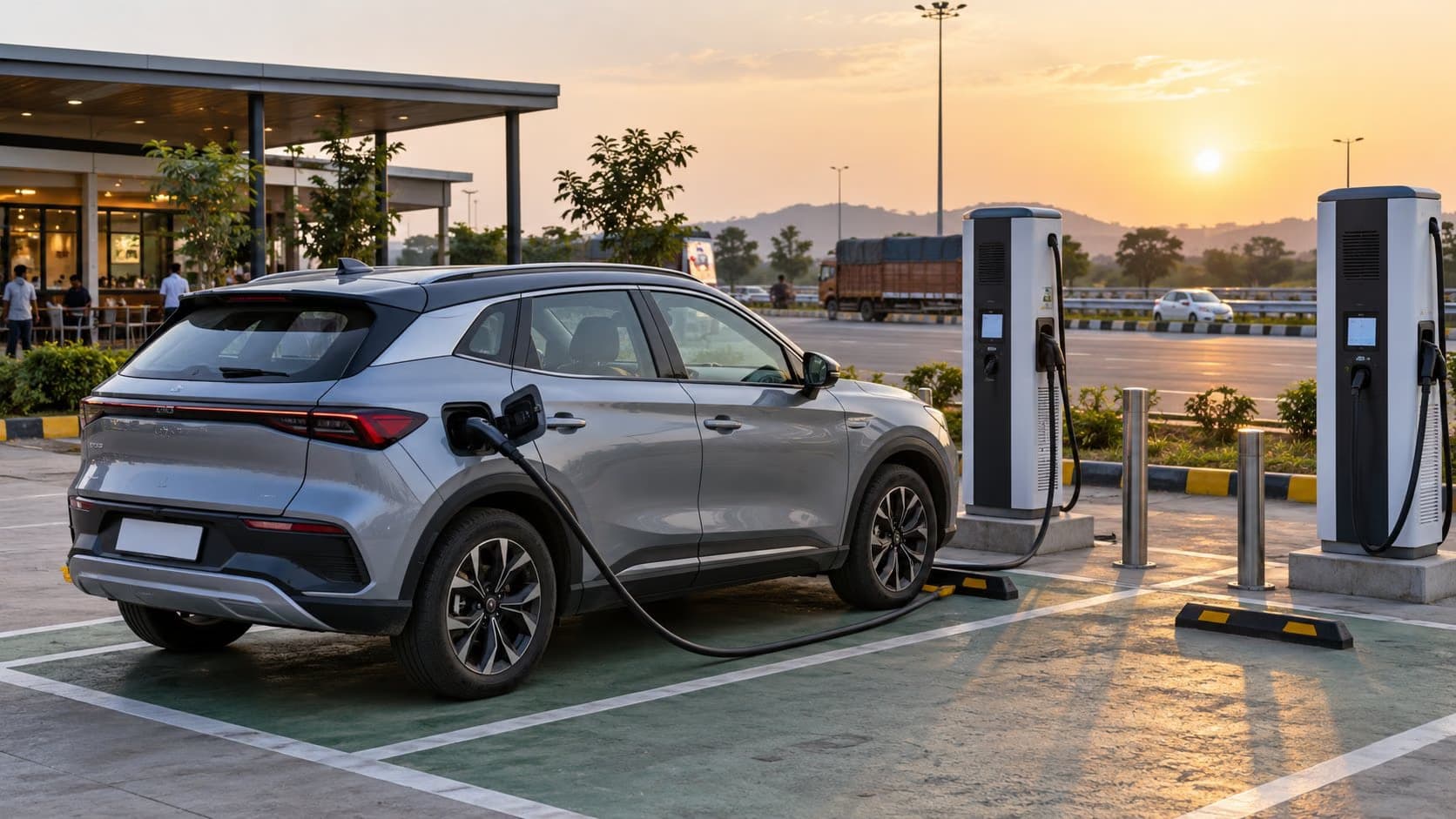
A home-charging estimate should be built from your own route and tariff, not a single headline cost per kilometre. The aim is a range of likely monthly electricity use that you can compare with your household bill and parking setup.
Use energy rather than only battery size
Start with the carmaker's stated usable battery capacity or consumption figure where available. Then estimate your monthly kilometres and add a sensible allowance for charging losses. The final amount depends on the electricity tariff applicable to your connection and local policy, so do not copy a rate from another city or housing society.
A practical calculation
- Estimate monthly distance from your recent driving, not an idealised commute.
- Multiply by realistic energy use in kWh per 100 km.
- Add charging losses as advised by the charger and vehicle documentation.
- Multiply the resulting kWh by the relevant marginal electricity rate.
Questions for an apartment owner
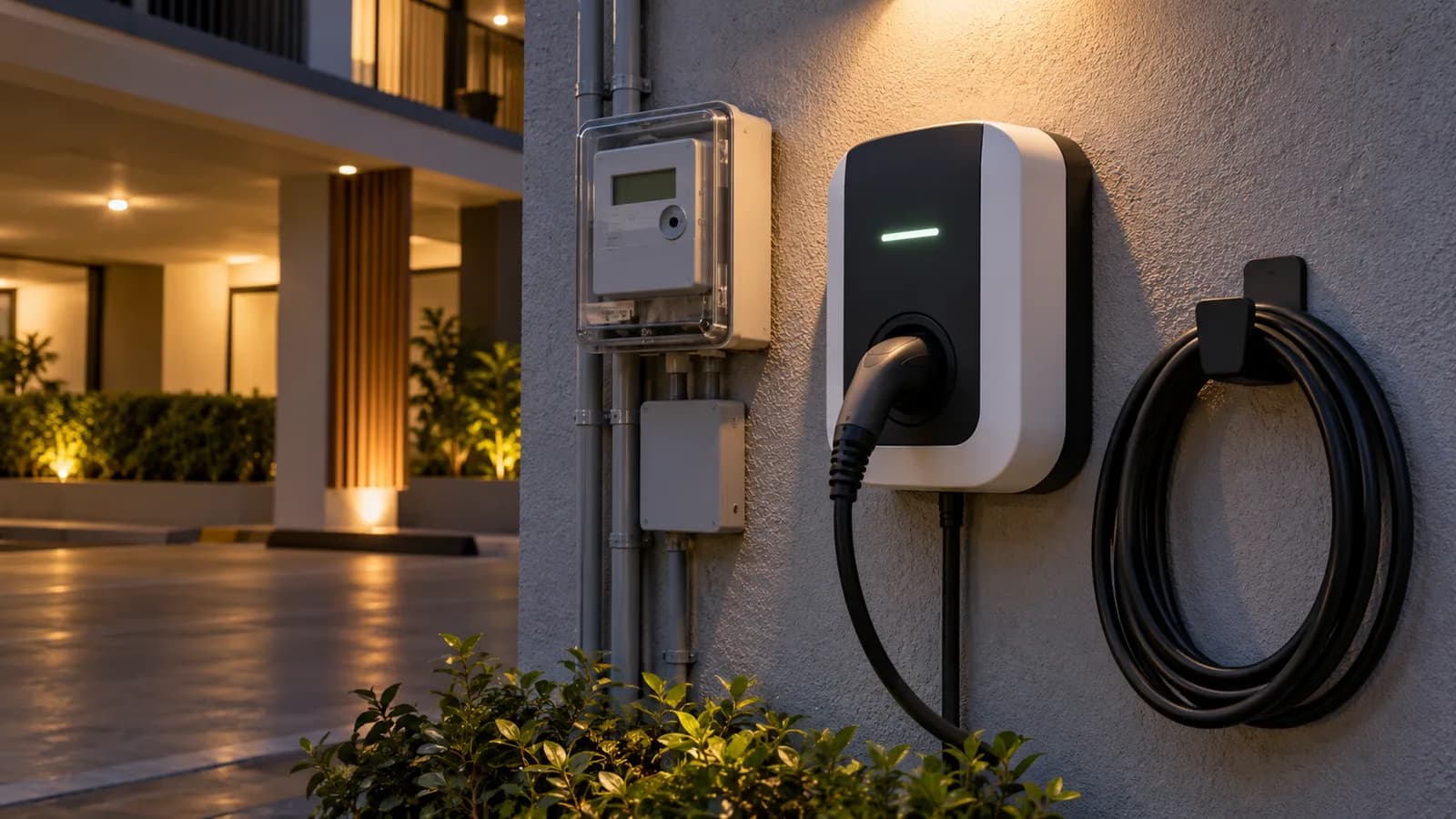
Ask whether charging is separately metered, how common-area billing works and whether the connection needs a sanctioned-load review. A home charger is electrical infrastructure, so installation should follow the vehicle and charger maker's instructions rather than an improvised extension-cable arrangement.
Why the estimate should be revisited
Highway trips, air-conditioning demand, driving speed and seasonal conditions can change consumption. Review your actual first two or three bills after delivery; that produces a much more useful ownership number than a launch-day claim.
See the Ministry of Power's 2024 charging-infrastructure guidance for the official framework around private and group-housing charging locations.