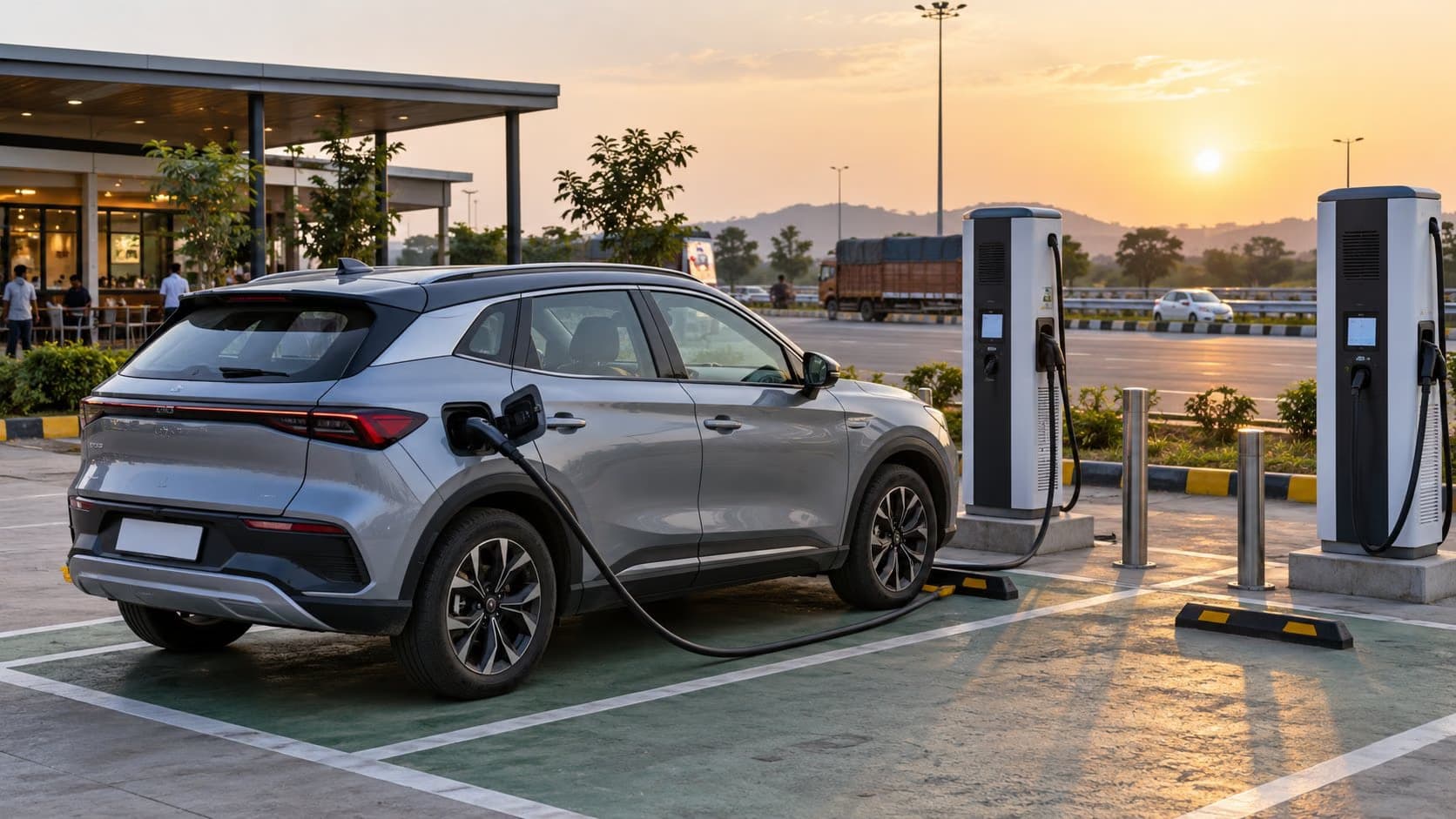
Delhi's 2026 electric-vehicle policy places stronger emphasis on new EV adoption, scrappage support and charging expansion. The direction is significant, but a policy announcement should not replace a household-level ownership calculation.
Benefits can depend on vehicle type, eligibility, registration timing and available programme funds. Buyers should verify the current transport-department notification before paying a non-refundable booking amount.
What the policy is trying to achieve
The programme aims to reduce urban emissions by increasing the share of electric vehicles, expanding charging and encouraging retirement of older combustion vehicles. Two- and three-wheelers remain central because they account for a large share of city traffic, while private electric cars benefit from the broader charging ecosystem.
What car buyers must verify
- Whether the selected model and invoice date qualify for an incentive.
- Road-tax and registration treatment on the day of registration.
- Scrappage-document requirements and whether benefits can be combined.
- Home-charger installation permission and electricity load.
- Public charging availability on regular routes, not just total city count.
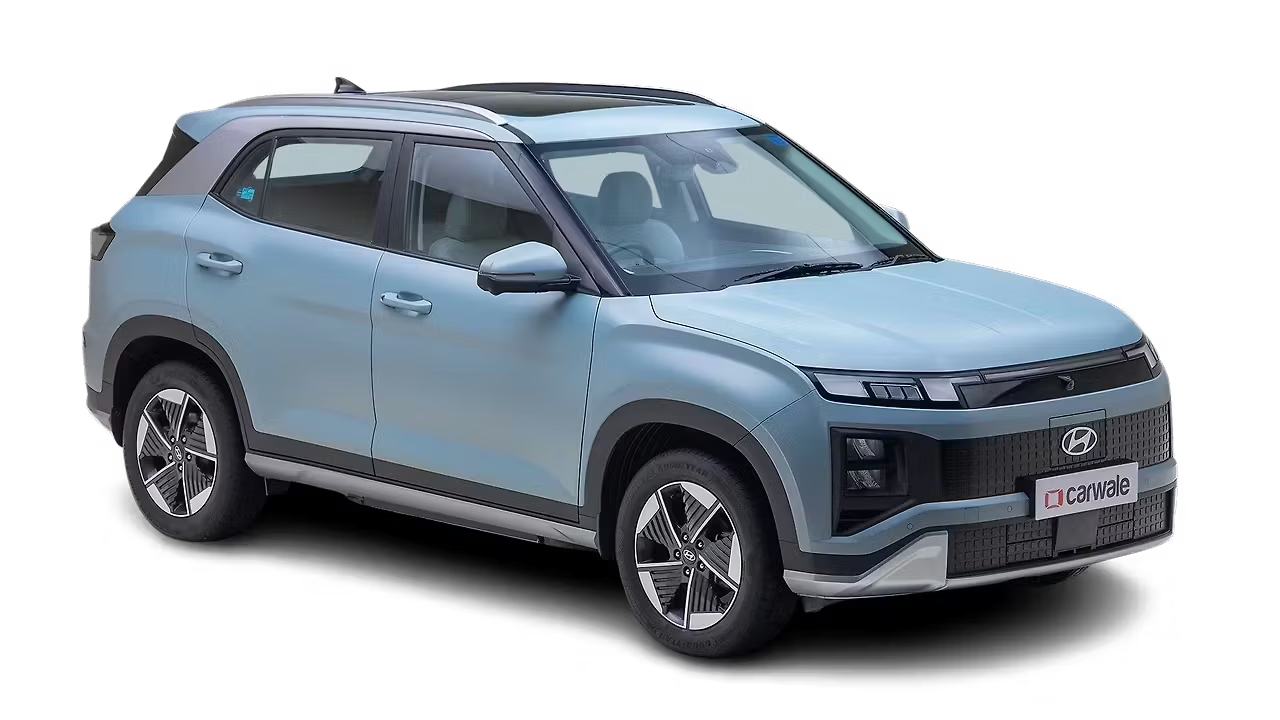
Do not price an EV using an incentive until it is confirmed
Ask the dealer to show the applicable notification and clearly separate manufacturer discount, dealer support and government incentive. If reimbursement happens later, understand who carries the delay risk and what documents are needed.
Charging remains the practical test
Delhi has one of India's more developed charging networks, but access is uneven. Apartment residents should obtain written approval for charger installation and confirm meter, cabling and parking arrangements. Drivers without home charging should identify two dependable alternatives close to home or work.
Hybrid benefits are not the same as EV benefits
A strong hybrid can reduce fuel consumption without charging, but it is not a battery-electric vehicle. Policy treatment can differ. Buyers comparing the two should calculate the on-road price under the rules actually in force rather than assuming both receive similar concessions.
Ownership checklist
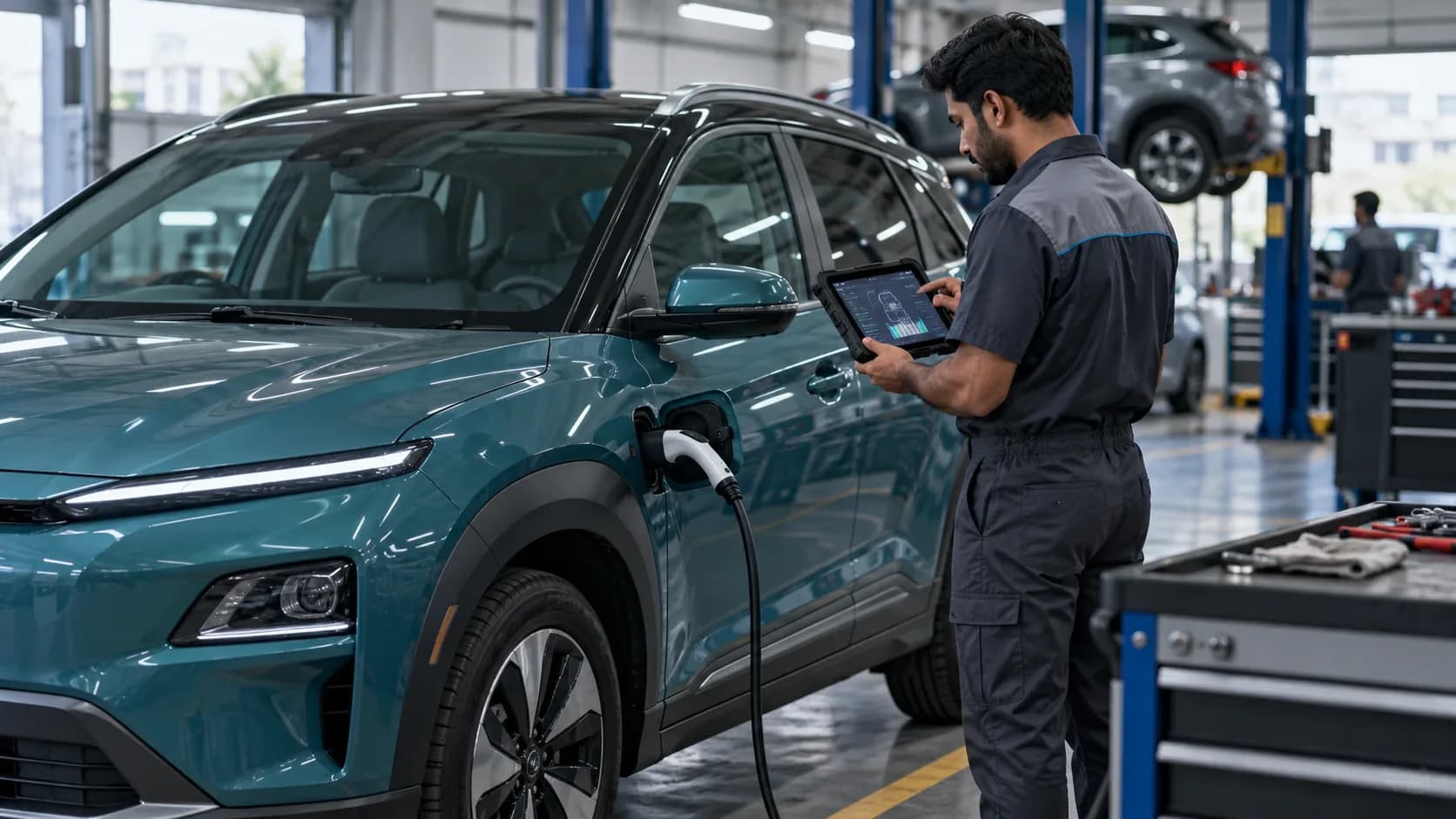
Before booking, compare realistic range with the longest routine journey, understand battery and vehicle warranties, obtain insurance quotations and check service capability. Also confirm whether the portable charging cable and fixed wall box are included.
Bottom line
The policy strengthens the case for an EV in Delhi, particularly for buyers with private charging and substantial urban running. It does not make every EV automatically economical. The vehicle, parking arrangement and usage pattern still decide whether the transition will feel convenient.
Sources and date note
Policy direction was checked against current Delhi reporting from the Associated Press and central charging guidance from the Ministry of Heavy Industries. Rules should be rechecked at the time of purchase.