Road-test figures can bring useful discipline to a car comparison. They can also mislead when the reader ignores the variant, tyres, weather, road surface or test method. A braking distance, fuel-efficiency number or cabin-noise reading describes a measurement under stated conditions, not every journey you will make.
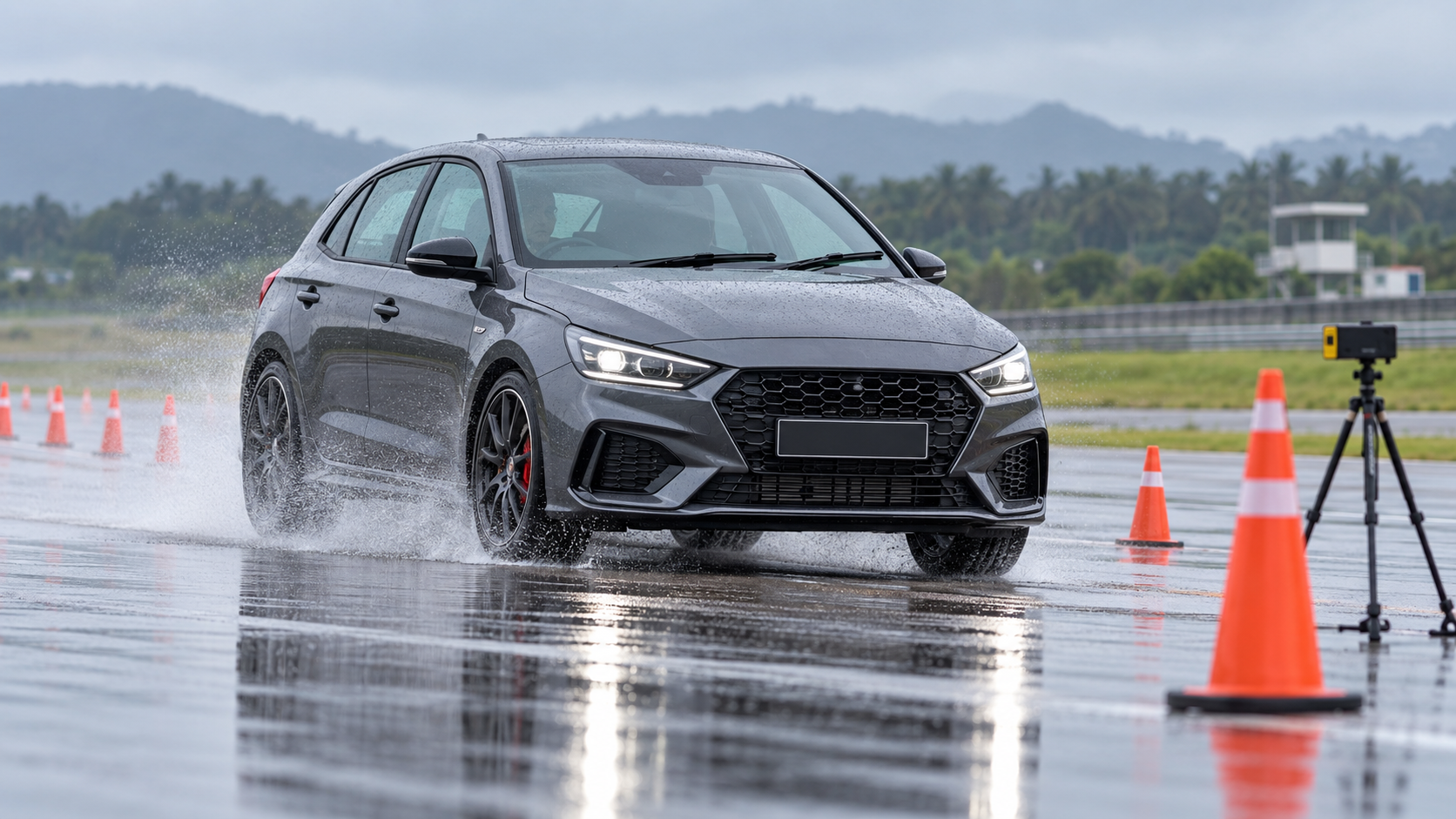
Read the test card before the result
| Metric | What changes it | Use it for |
|---|---|---|
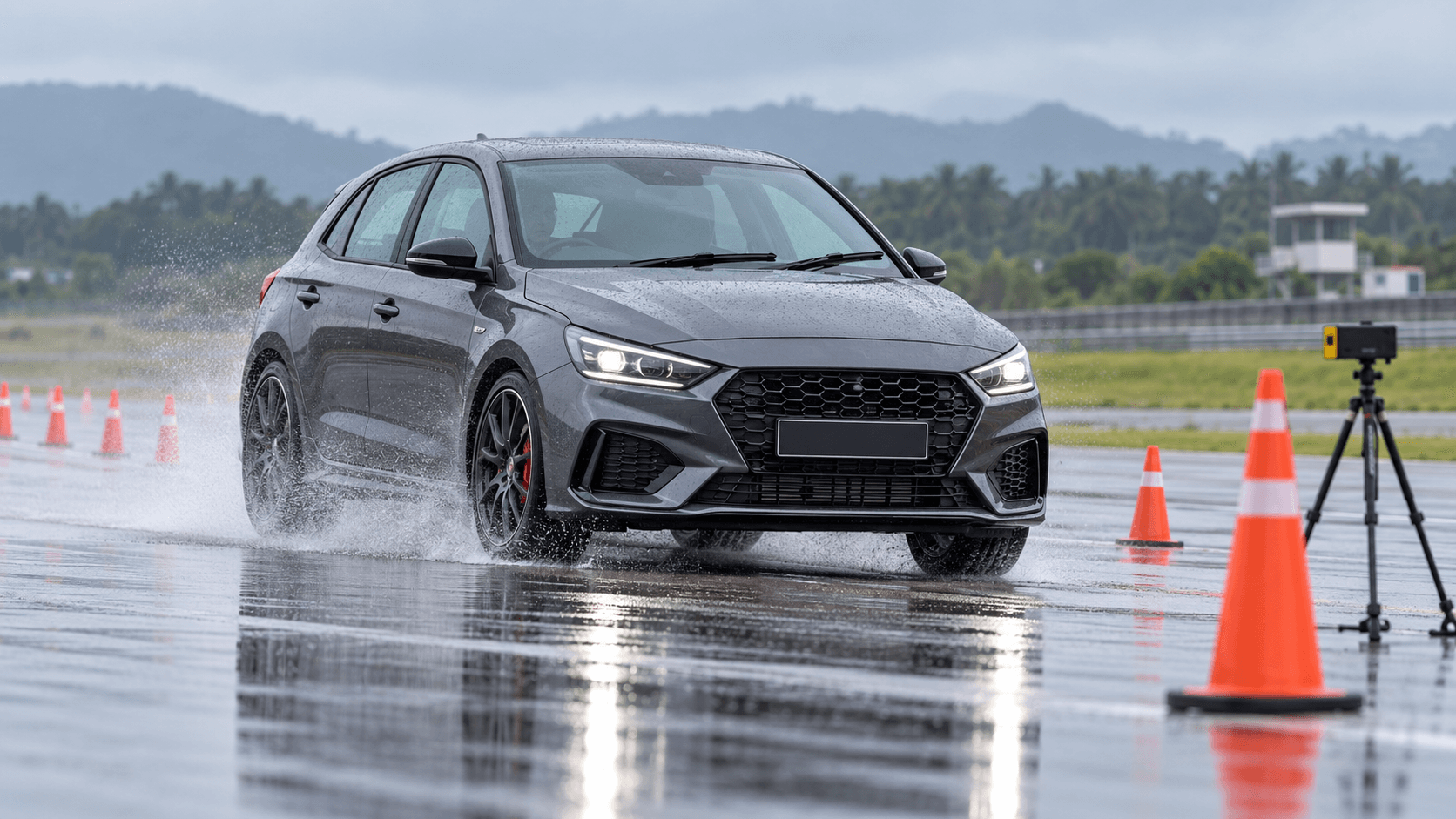
| Braking | Tyres, surface, temperature, load and method | Comparing broadly similar tests |
| Efficiency | Traffic, speed, route, air-conditioning and driver | Setting a realistic range or fuel-cost band |
| NVH | Speed, road texture, tyre wear and equipment | Understanding cabin-character differences |
| Ride and handling | Wheel size, pressure, payload and road | Creating questions for your own drive |
Use numbers to find the right test drive
If a report flags a firm low-speed ride, seek a broken road. If braking performance differs between variants, check tyre specification. If highway noise is mentioned, drive at the speed you actually use. Data tells you where to focus; it does not make the decision by itself.
Do not compare unlike tests
A number from one outlet, city or year may not match another's protocol. The fairest comparison is within the same testing method and close conditions. When that is not available, use the figures as directional evidence and prioritise consistency over an isolated best score.
Good road-test reading turns measurements into better questions, and better questions into a more useful showroom drive.