A family of four does not travel in litres. It travels with a suitcase that will not lie flat, a stroller with stubborn wheels, and a small bag somebody needs halfway through the journey. Yet a boot figure is often the only cargo measure on a comparison page. It is worth reading, but it is a poor substitute for opening the tailgate and loading the things you actually own.
This is not an argument that published capacities are meaningless. They help you shortlist. The problem comes when a difference of a few dozen litres is treated as proof that one car will be easier to live with. Opening width, the height of the loading lip, wheel-arch intrusions and how the rear seat folds can reverse that impression.
Why the brochure figure is a starting point
Different measurement conditions can produce different results. The German motoring organisation ADAC says manufacturers do not all use a uniform, binding method for quoted luggage volumes; its own tests set movable components to defined positions and fill the space with standardised foam blocks to make comparisons more consistent. Its published comparison is a useful reminder to ask what is being measured rather than assume every quoted litre represents equally usable space. See ADAC's explanation of its boot measurements.
A cavity under a floor panel may add useful storage for a charging cable or tools, but it will not accept the rigid corner of a large suitcase. A tall boot may be useful for soft bags, while a narrow opening may stop a folded stroller from entering at all. Two cars with similar figures can therefore suit different households.
Bring a real packing list to the showroom
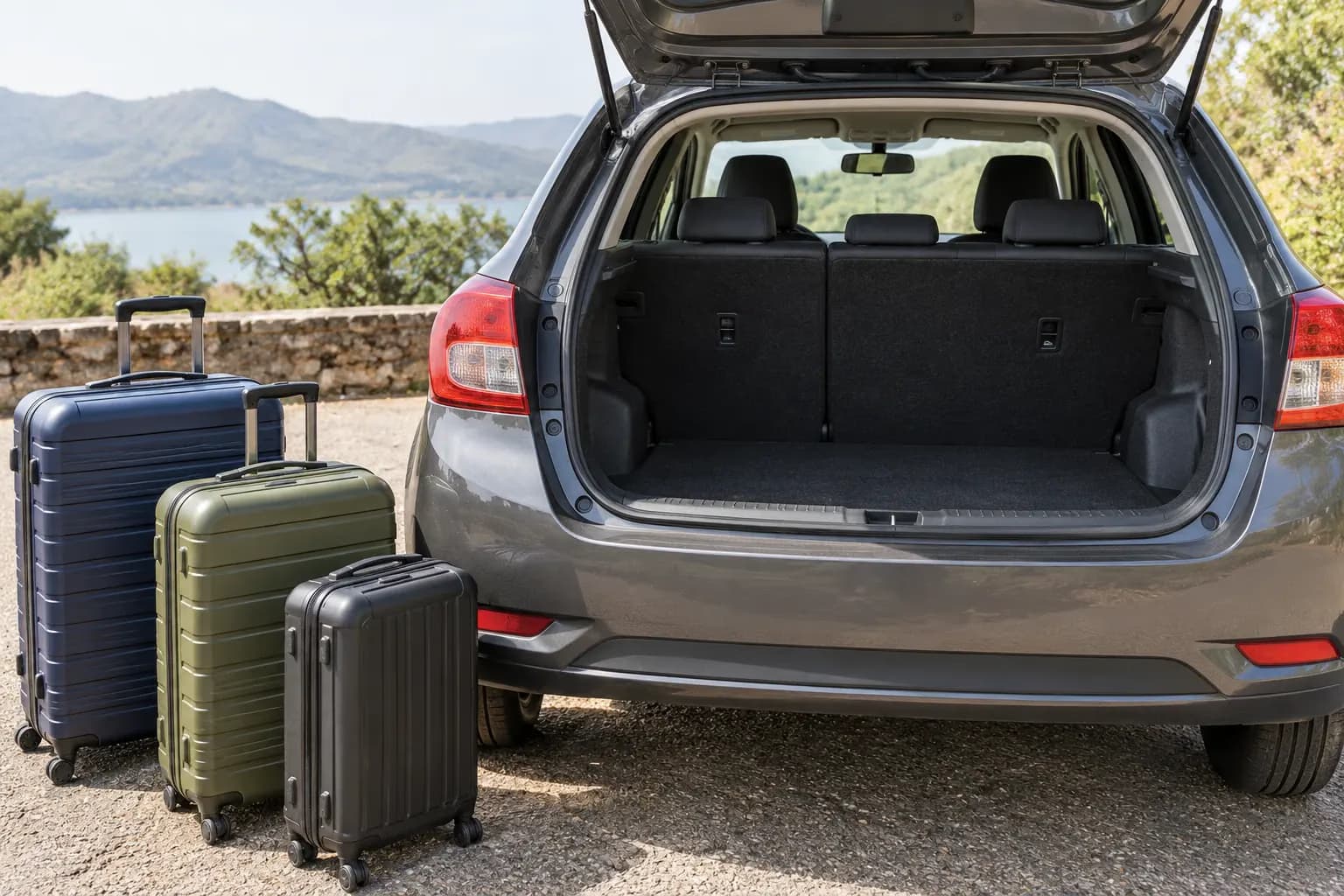
Write down what normally goes in the boot when every seat is occupied. For one household that is two cabin-size cases and a stroller; for another it is a wheelchair, a cooler and shopping. Measure the bulkiest rigid item at home, including handles and wheels. Ask the showroom before bringing it in, then try loading it in the actual variant you plan to buy. A photograph of an open boot with no scale is not a test.
Start with the rear seats upright and the parcel shelf in its normal position. If all four or five seats are needed on a trip, a seats-folded maximum is not the relevant number. Put the biggest case through the opening first. Note whether you must rotate it awkwardly to clear the lip or hinges. Then add the remaining bags without forcing the hatch shut. Check whether the parcel shelf still closes and whether the driver retains a clear rearward view.
Next, lift out the luggage and repeat the exercise with a different order. Some boots reward placing a flat case at the bottom and soft bags around it; others have useful width only near the tailgate. One failed arrangement does not settle the question, but if every arrangement needs a rear seat folded, that is important information before paying a booking amount.
Look closely at the shape
The opening and the space inside it are separate tests. A deep boot behind a small sedan aperture can hold many soft bags but make a wide boxed item difficult to load. A high loading lip demands more lifting effort, especially when the bag is heavy. A lower lip can matter more to an older parent than an extra line in the specification table. Check the distance from the edge to the rear seatbacks, the space between wheel arches and whether the floor is level or stepped.
Look beneath the floor before judging the apparent depth. Some cars offer two floor heights; a lower setting may create more vertical space but also a deeper step at the entrance. Check where the spare wheel or repair kit lives, and whether accessing it requires unloading the entire boot. Do not assume a photographed variant has the same subwoofer, spare-wheel arrangement or underfloor tray as the car you are ordering.
The rear-seat compromise
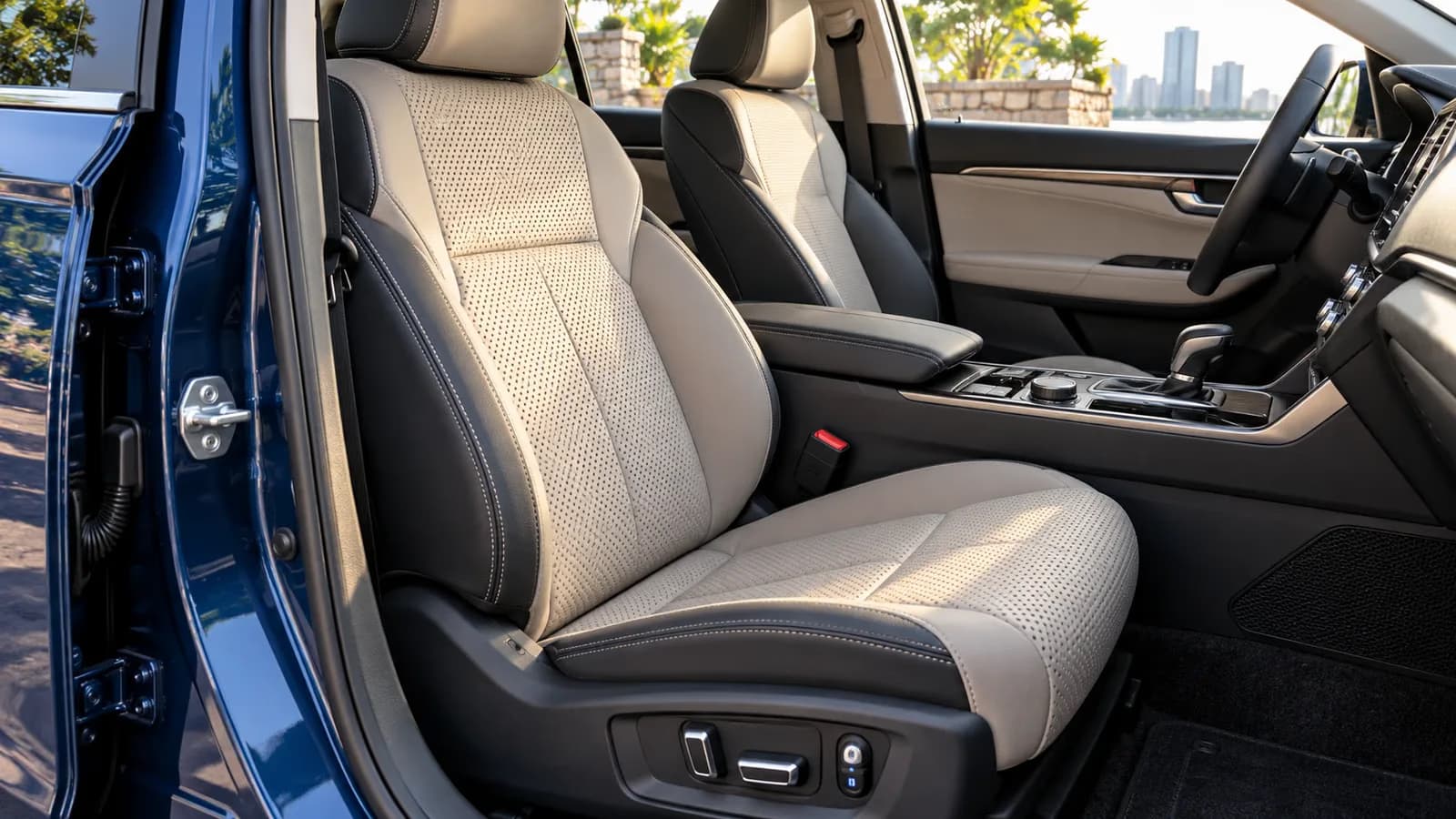
Folding a seatback is useful for an occasional long package, not a solution to routine luggage when passengers need that seat. Check whether the split is 60:40 or another arrangement, whether headrests must come off, and whether the folded surface leaves a raised ridge. A long item must also be restrained; do not wedge it between the front seats and call it secure. Hyundai's owner guidance on folding rear seats warns that cargo extending into the passenger area should be secured to prevent movement and injury.
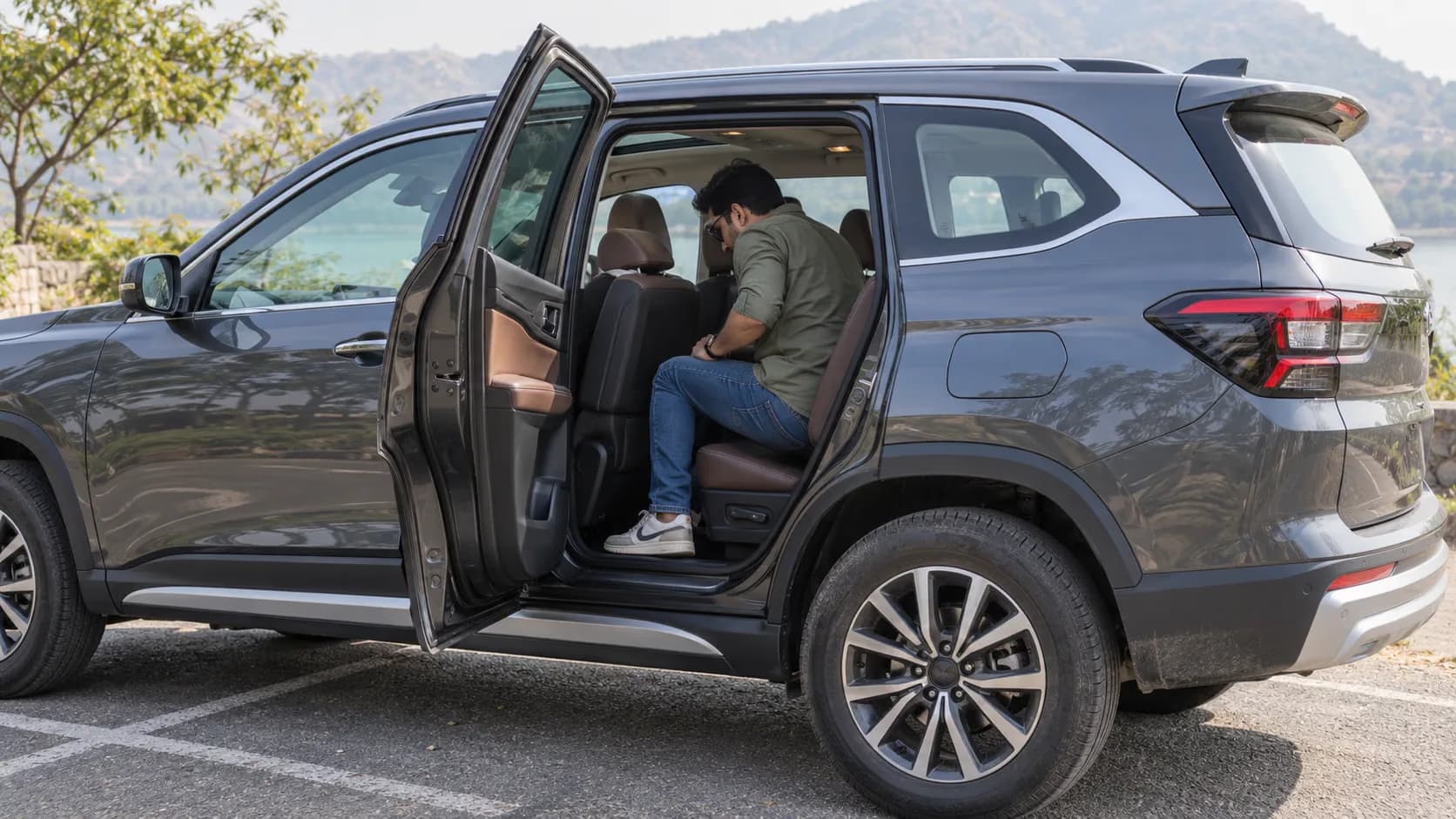
In a three-row car, inspect the boot with the third row in the position your family would actually use. The large maximum figure may belong to a configuration with that row folded. If you need both the extra passengers and their luggage, that is a very different proposition.
A fair two-car comparison
Use the same luggage, same seat positions and same rules for both vehicles. Time how long loading takes only as a personal observation, not a published performance measure. Ask yourself which car makes the heavy case easiest to lift, whether fragile items can sit apart from hard luggage, and whether an item you need at a stop is accessible without unpacking everything.
A final check is the hatch itself. Open it fully in a space resembling your parking bay and watch the height it reaches. If your garage ceiling is low, a power tailgate that opens elegantly in a showroom may be a daily irritation at home. Some tailgates have adjustable opening height; confirm the exact vehicle's controls rather than assuming.
Buy the boot that fits your journeys, not the one that wins a single printed number. If you cannot do a luggage trial before ordering, at least take dimensions of the rigid item, photograph the opening from straight behind and make the dealer show the precise seat and floor configuration used for the quoted figure.