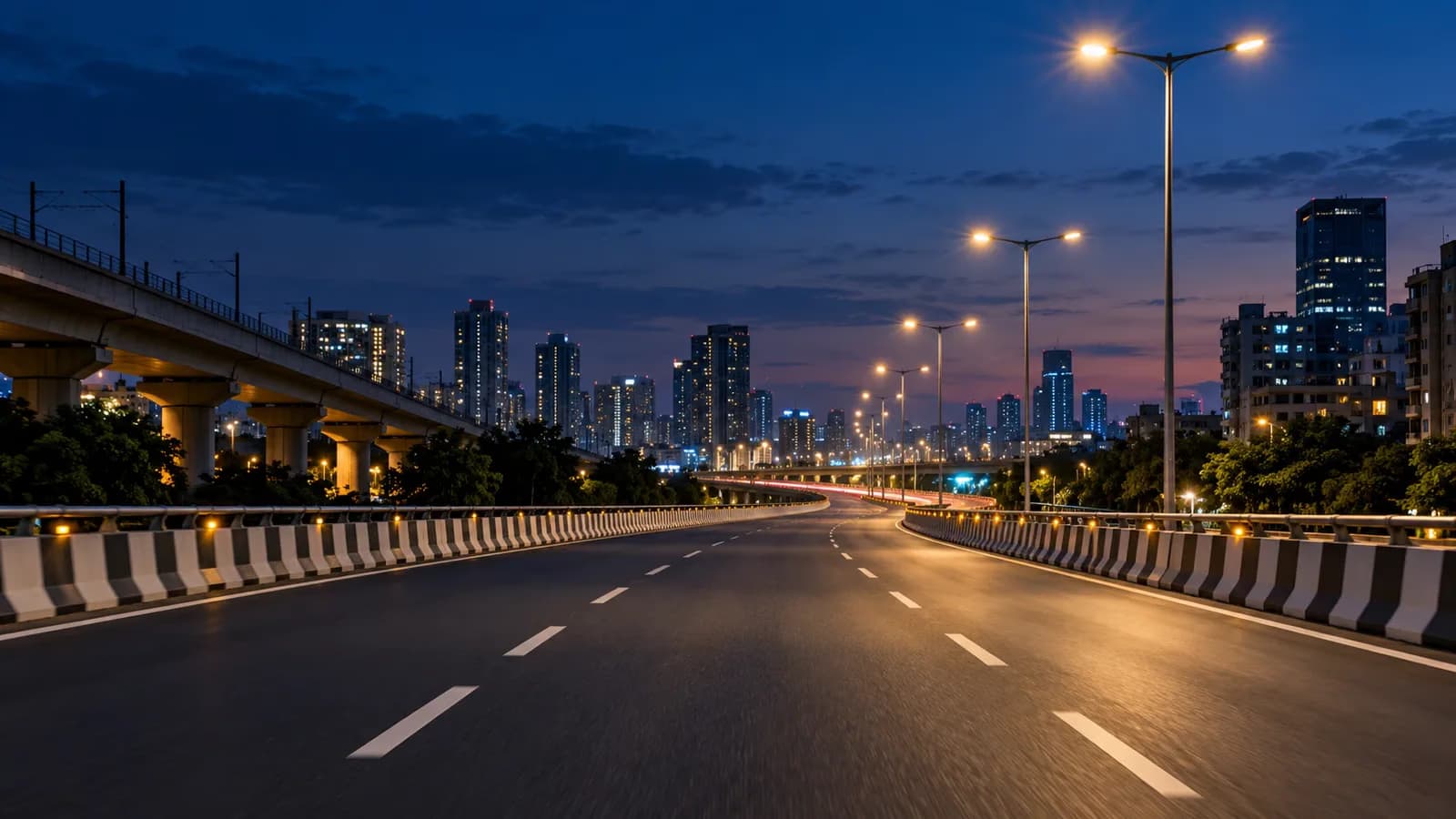
A car can feel excellent in a bright showroom and still be tiring after dark. A short, legal and calm evening test drive can reveal whether the headlamps, mirrors, controls and cabin illumination suit the way you actually travel.
Choose a sensible route
Use familiar roads with normal traffic and avoid any deliberate high-speed or emergency manoeuvres. The point is comfort and clarity, not proving a performance claim. Take the same route in each shortlisted car where possible.
What to observe
- How easily you can adjust headlamp settings, wipers and demister without looking away for long.
- Whether the instrument display remains readable without reflecting on the windscreen.
- Mirror clarity and how distracting following-vehicle glare feels.
- Front-corner visibility while turning and parking in ordinary conditions.
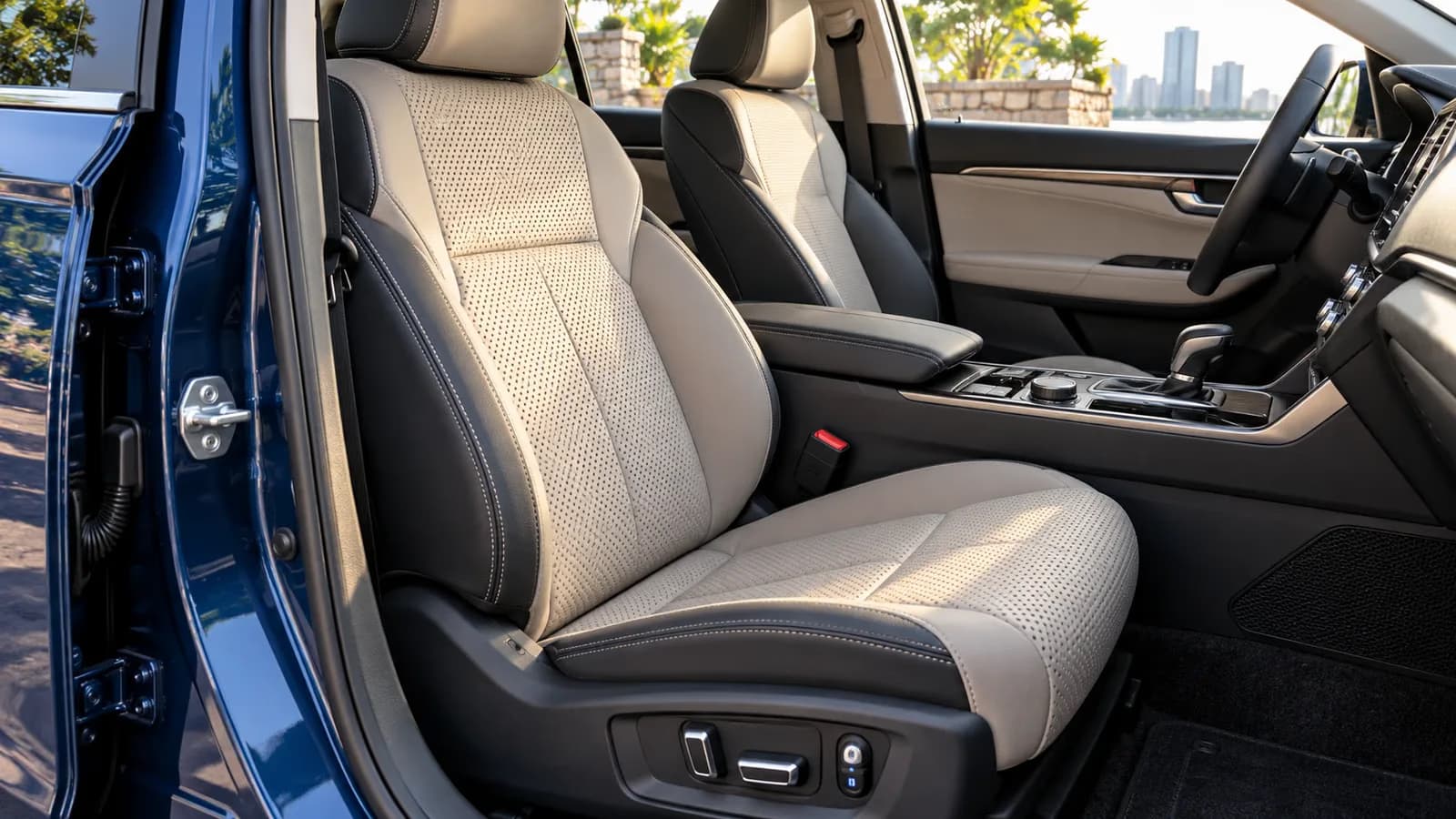
- Whether the cabin controls are intuitive when your attention is on the road.
Ask the dealer to demonstrate, then take notes
Have the consultant show the lighting modes, rear defogger, fog lamps where fitted, automatic functions and reverse camera. After the drive, write down what was genuinely easy and what required a second attempt. A large screen is less valuable if the essential controls are difficult to reach at night.
Keep safety first
Driver-assistance functions and bright headlamps are support systems, not replacements for speed discipline, clear vision and following distance. Check the owner's manual for the exact operation and limits of any lighting or assistance feature on the test vehicle.
The Ministry of Road Transport and Highways remains the appropriate source for road-safety rules; use the manufacturer manual for vehicle-specific controls.