Comparing cars on different days, different roads and different moods produces a false winner. A better method is to set one repeatable route and run both cars through it with the same passengers, luggage assumptions and questions.
The route card
| Segment | What to assess | Note immediately |
|---|---|---|
| Apartment or narrow lane | Visibility, steering, camera, turning effort | Stress level and blind spots |
| Slow traffic | Clutch/automatic behaviour, low-speed ride | Jerks, creep, fatigue and heat |
| Broken surface | Suspension, body control and rattles | Who in the cabin notices what |
| Open road | Overtaking, braking, noise and stability | Confidence at your normal speed |
Keep the comparison honest
Try to drive comparable engines and transmissions. If that is not possible, write the difference down instead of pretending it does not matter. The same applies to wheel size, trim and tyre specification.
Score only what matters to your household
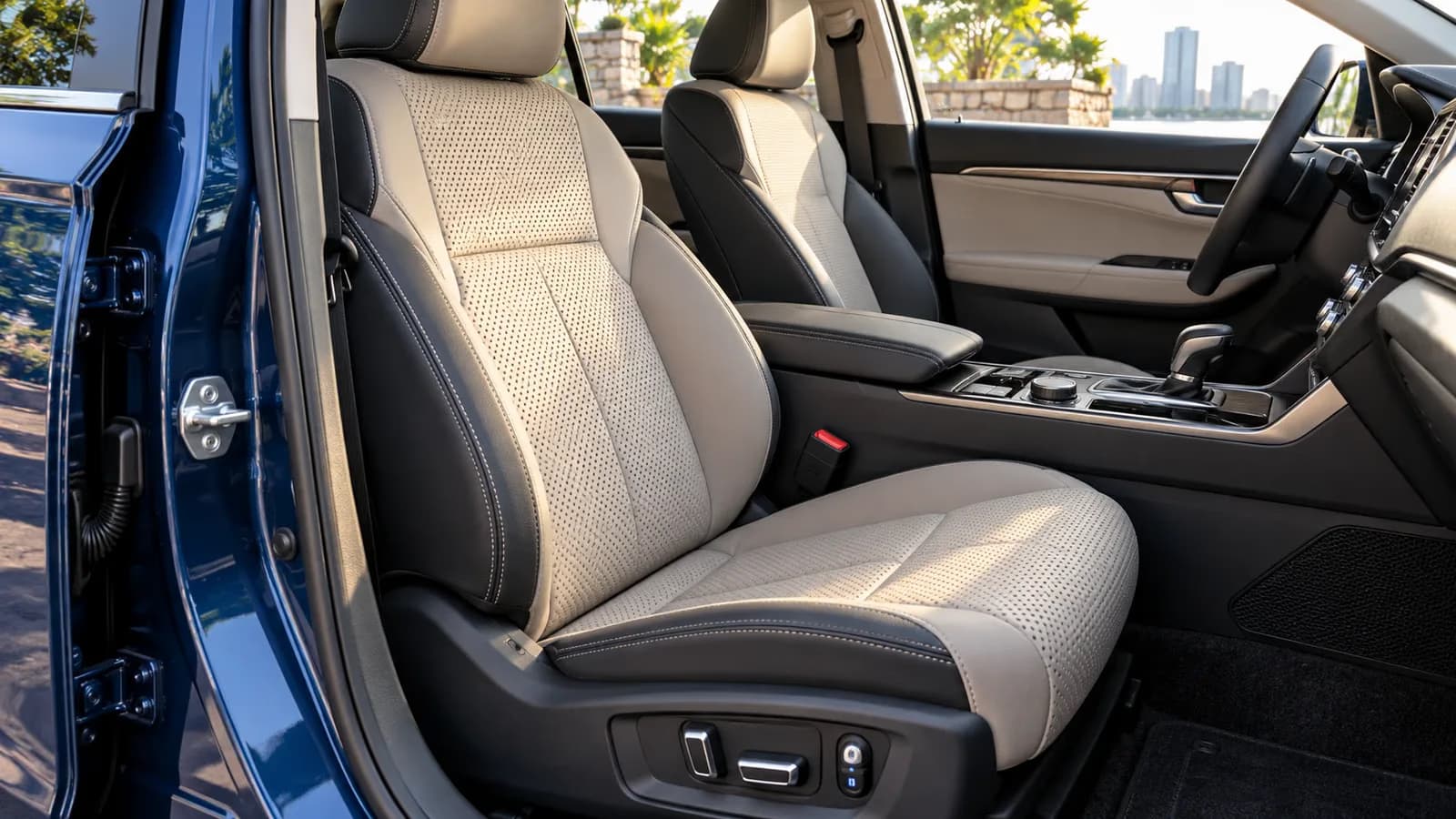
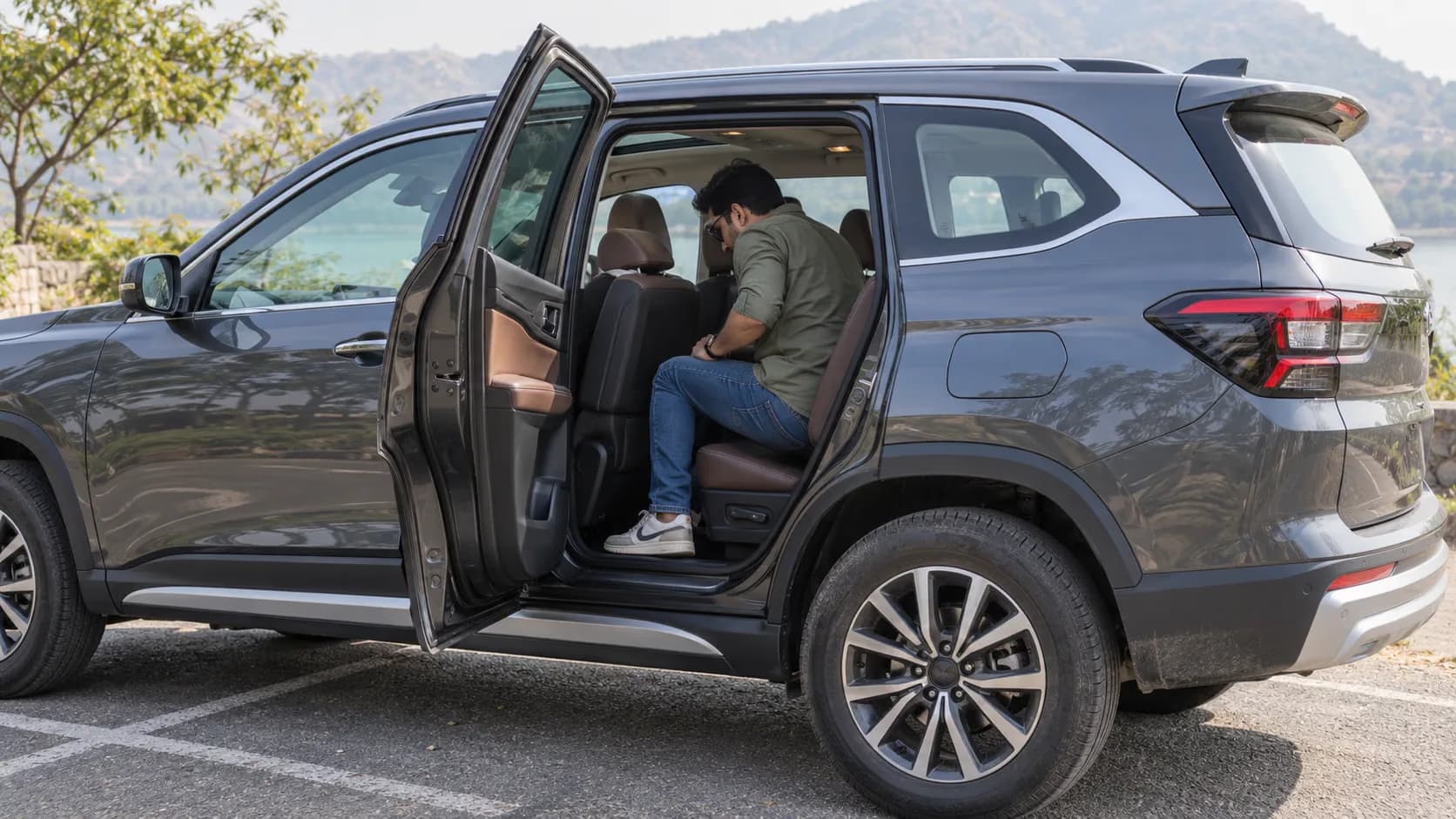
A family with frequent rear-seat passengers may weight access and comfort more heavily than acceleration. A long-distance driver may prioritise seat support, fuel type and highway composure. Choose five criteria before the drive; do not invent them after falling for a colour or a screen.
End with the finance page
After the route, compare the exact on-road quote, warranty, service access and insurance. A car that wins a 20-minute drive can lose the ownership comparison when these lines are added.