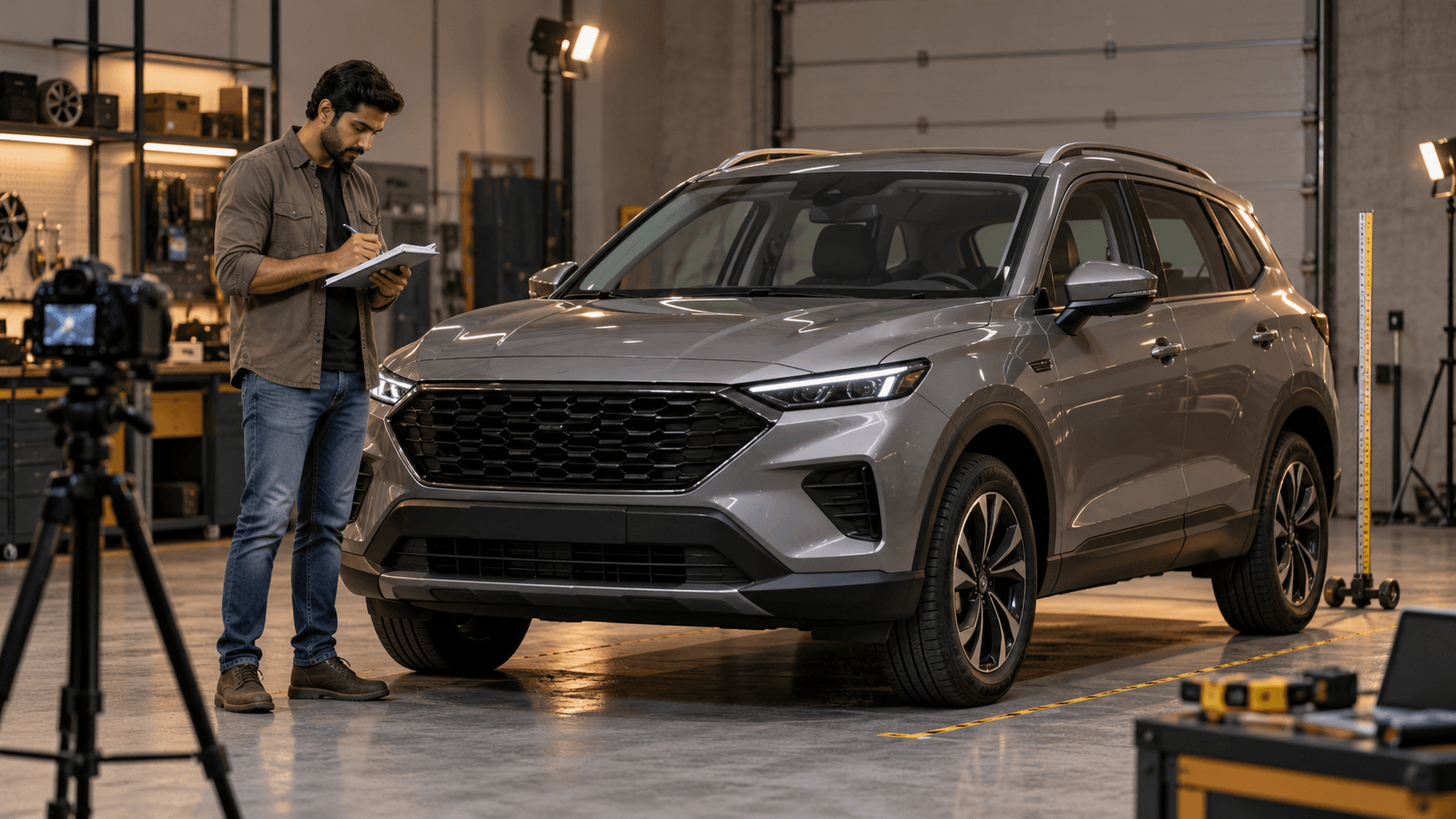
A good car review is a field report, not a universal instruction. One driver may value sharp response, another may value a gentle ride in a full cabin. The useful reader asks what was tested, under which conditions and whether the compromises described matter to their own routine.
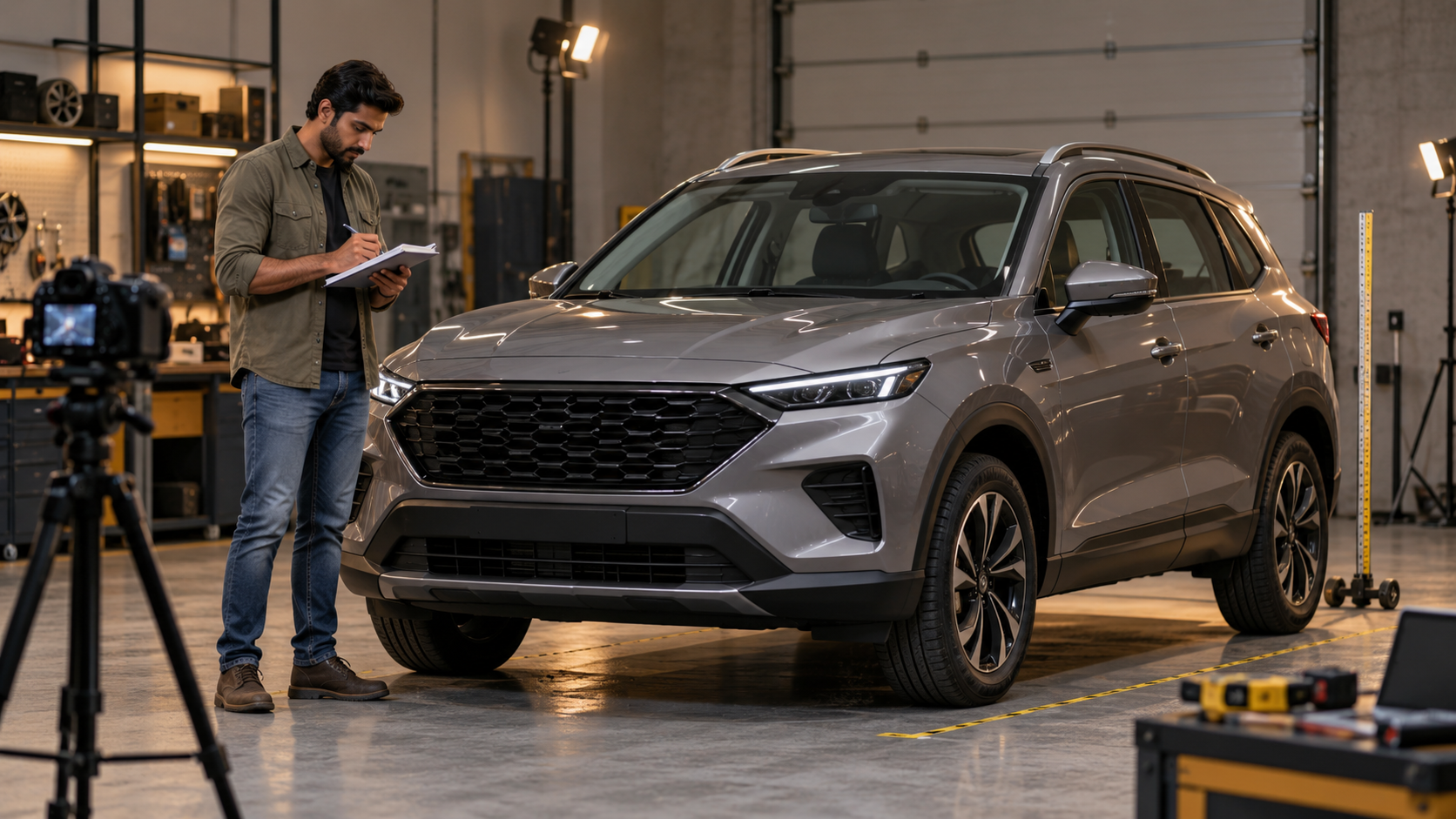
Read the specification line first
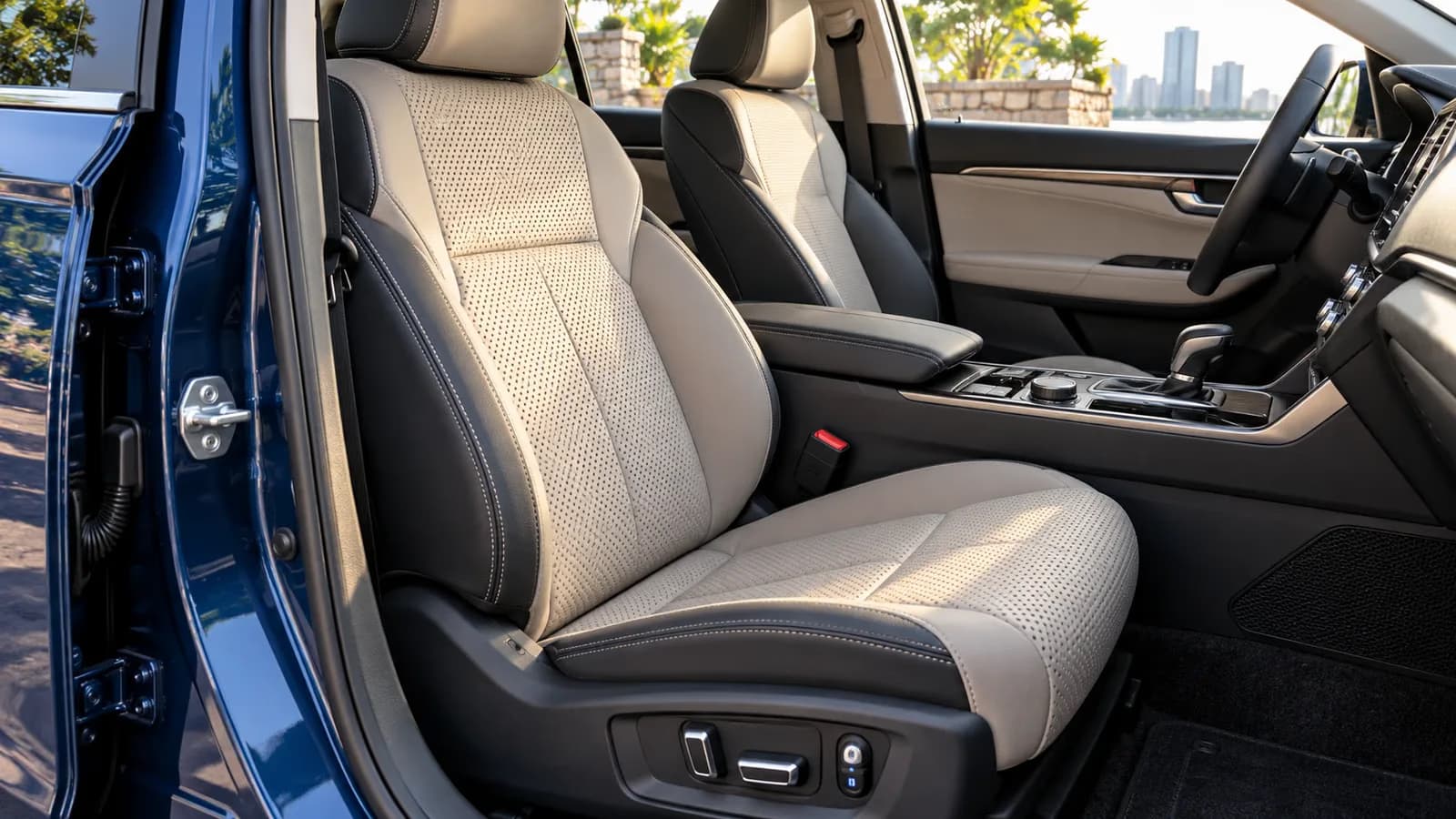
Identify the exact variant, engine, gearbox, wheels and tyres. A review of a turbo automatic on larger alloys may not describe the experience of a naturally aspirated manual on smaller wheels. The same rule applies to a top trim's sound insulation, camera system or seat adjustments.
| Review claim | Question to ask |
|---|---|
| “Comfortable ride” | At what speeds, with how many passengers, on which roads? |
| “Good efficiency” | What route, speed and weather produced the figure? |
| “Feature-rich” | Is that equipment included on the variant you can afford? |
| “Fun to drive” | Does that trade comfort, mileage or city ease for performance? |
Build a two-column shortlist
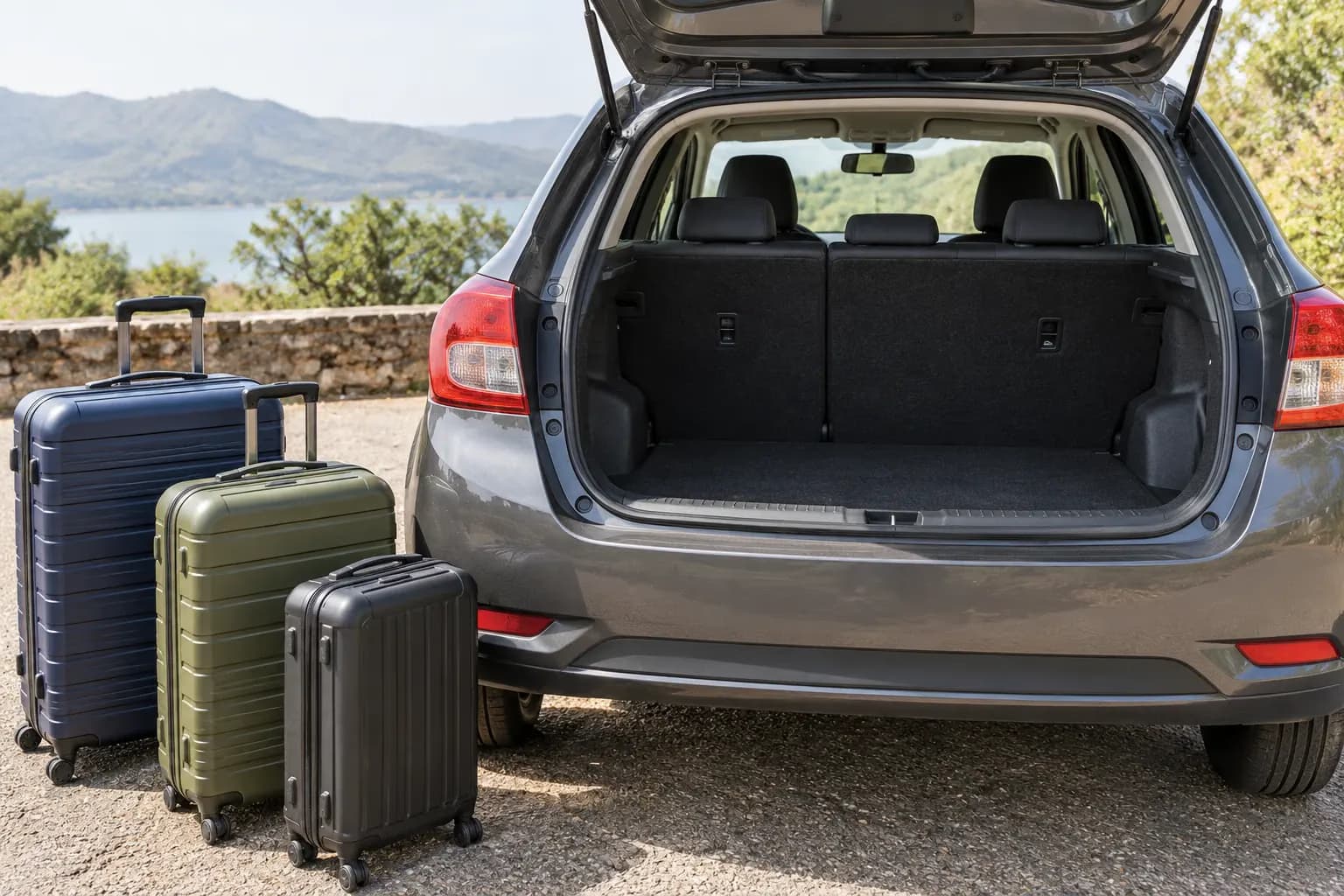
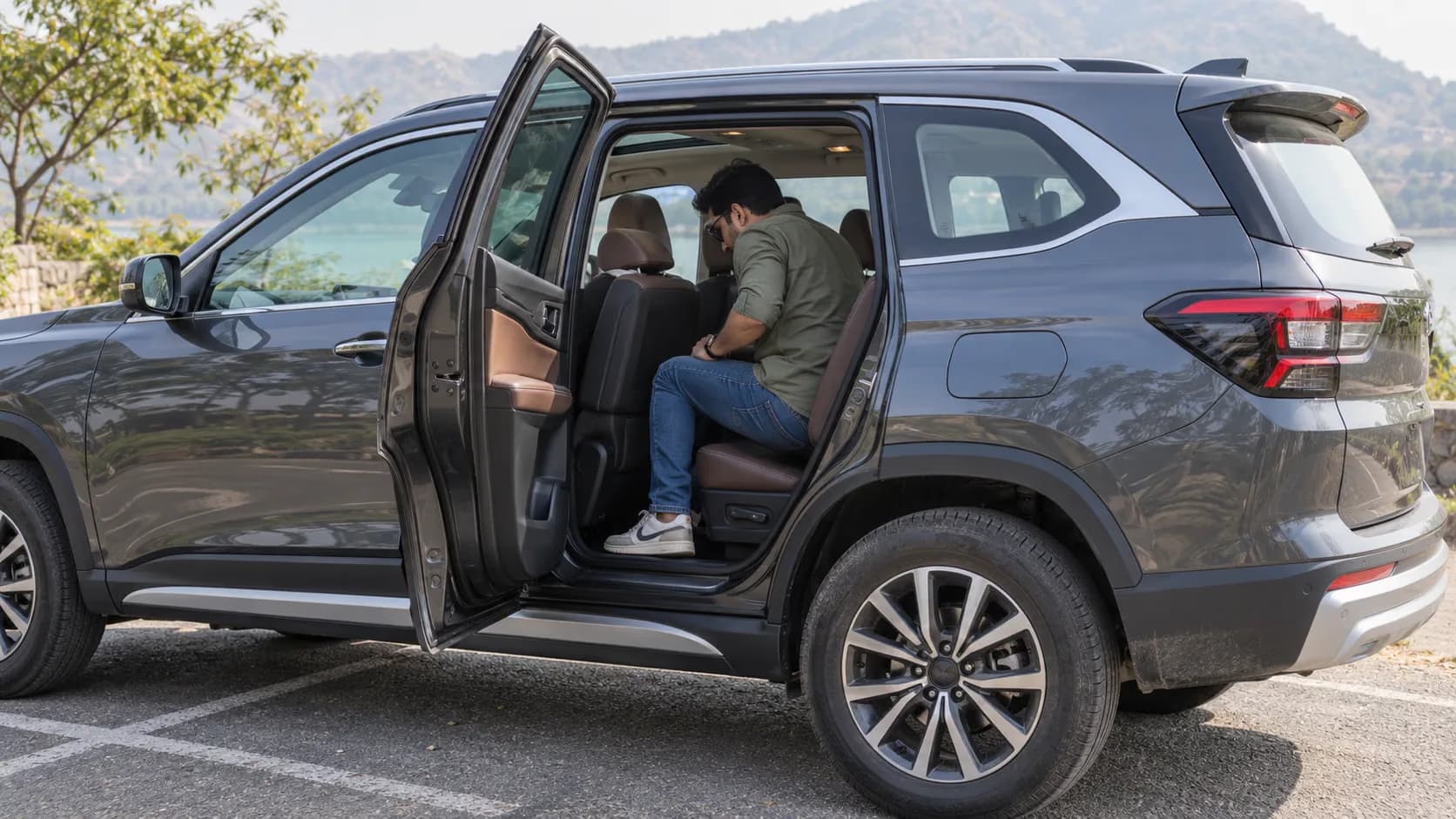
In the first column, note reported facts: rear-seat space, tyre size, transmission type, braking result, warranty or boot measurement. In the second, note impressions: steering feel, seat comfort, styling and refinement. Both are useful, but they should not be treated with the same certainty.
Finish with a personal test drive
Use the review to form questions, then drive the car on a familiar route. A review should reduce surprises, not replace your own seating check, passenger assessment and dealer quotation.