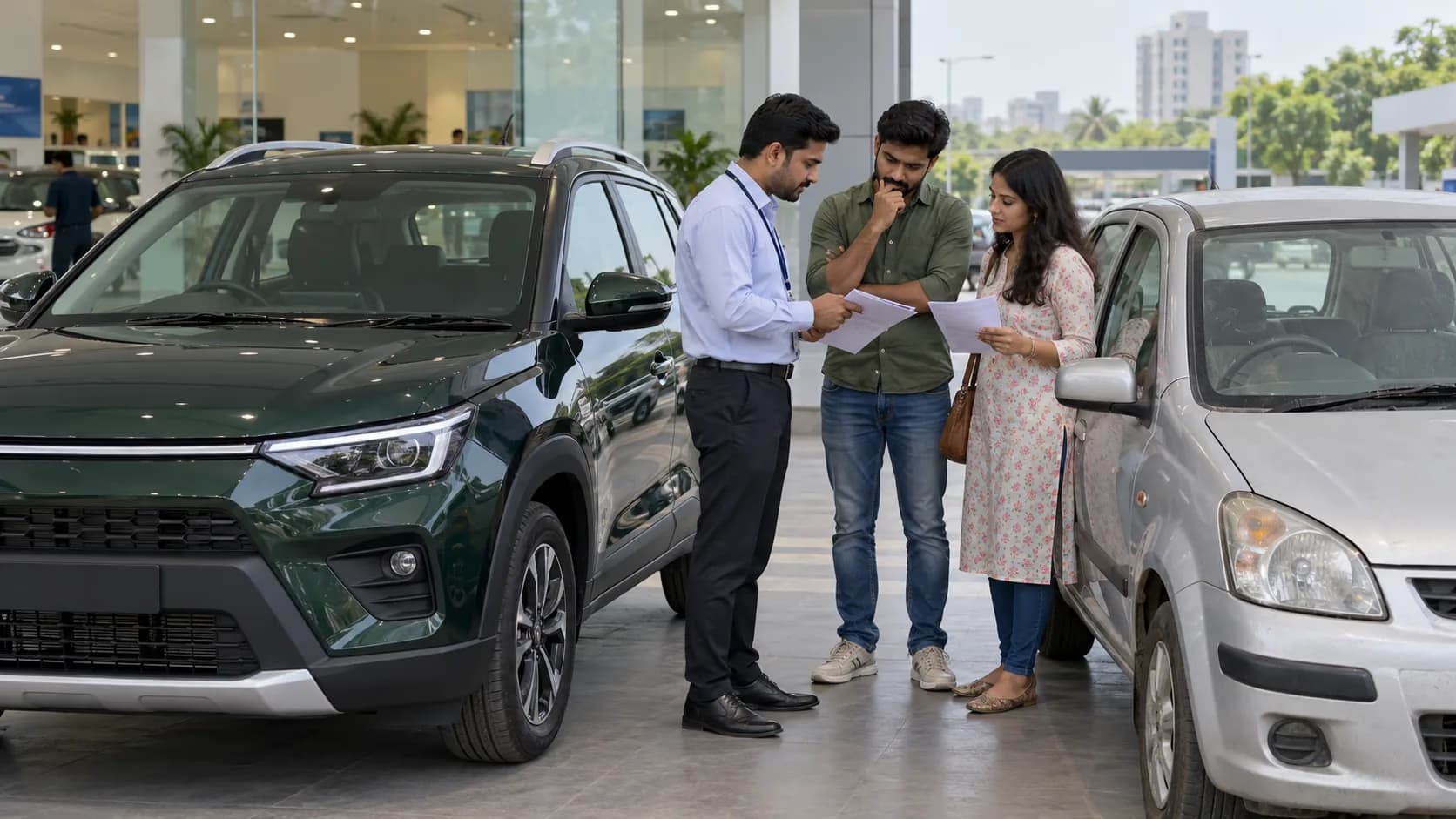
A low insurance quote is not necessarily a cheaper way to protect the same risk. Two prices can look comparable while covering entirely different events, having different deductibles or running for different policy periods. Before buying or renewing, separate the question “is my legal liability covered?” from “what happens if my own car is damaged?”
The Insurance Regulatory and Development Authority of India's motor insurance guide explains the difference between third-party liability and damage to the insured vehicle. Read the insurer's actual policy wording and schedule as well: coverage, exclusions, conditions and optional extras determine what a particular contract pays.
Third-party liability: whose loss is involved?
Third-party cover relates to liability arising from injury, death or property damage involving another person or their property, subject to the policy and applicable law. Motor third-party insurance is mandatory. It is not a general repair fund for every scratch on the insured car.
Imagine your car is damaged in an incident without another vehicle involved. A third-party-only policy is not the same as own-damage protection for repairing your car. The facts of an incident, liability and the policy conditions matter, so do not assume a claim outcome from a generic example.
Own damage: protection for the insured car
Own-damage cover concerns loss or damage to your vehicle from events covered by the policy. The policy wording matters: look at the listed risks, exclusions, claim procedure and any conditions applying to accessories or modifications. A standalone own-damage policy is distinct from third-party cover; buying one does not remove the need for valid third-party insurance.
A comprehensive package generally combines third-party liability and own-damage components, but its name alone is not proof that every event or expense is included. Ask for the schedule, the wording and the add-on terms rather than judging coverage by the word “comprehensive” in a quote.
Start comparisons with matching dates
Check the start and end date of each component. A car may have different third-party and own-damage terms, particularly where policies were purchased separately or for different periods. Note both expiry dates and the insurer or policy number for each. Do not assume that renewing one automatically renews the other.
Compare quotes for the same period, declared vehicle details and equivalent cover. A noticeably low premium might reflect less protection, a different insured value, a higher deductible, missing add-ons or a shorter term. Ask the insurer or licensed intermediary to explain any difference in writing.
Insured value, deductibles and out-of-pocket costs
The insured declared value, or IDV, is an important policy figure, particularly for theft or total-loss situations under the applicable terms. It is not a promise that every repair claim will pay the entire IDV. Check how it was set, what it covers and how the insurer handles the relevant type of claim.
A deductible is the portion of an eligible claim that the policyholder bears under the policy conditions. There may be compulsory and, if chosen, voluntary deductibles. A higher voluntary deductible can change the premium but also increases your share of an eligible claim. Compare the potential saving with the amount you could comfortably pay after an incident.
Do add-ons solve the problem you actually have?
Optional covers can change the treatment of particular costs, but their names are not enough. Read the limits, exclusions, claim conditions and price. For example, an add-on that changes the depreciation treatment of some parts may still have restrictions or exclusions. Do not assume it removes every deduction or applies to every loss.
List the risks that matter for how you use and park the vehicle, then ask what the base policy already covers. Buy an add-on because its specific terms suit your needs, not because an online checkout has selected it by default.
Before paying, verify these details
- Registration number, owner and vehicle details match your records.
- Third-party and own-damage components have the intended start and end dates.
- IDV and deductibles are understood and consistent across quotes.
- Accessories or modifications are disclosed where required.
- The insurer, claim contact, coverage wording and exclusions are accessible.
- Any add-ons, roadside services or service charges are listed separately.
Comparing quotes without losing track
Put two quotations next to each other and first confirm that the insured person, vehicle, registration and intended dates match. Then compare the type of cover, IDV, voluntary deductible and optional extras. A quote for a third-party-only policy cannot be fairly compared with a package policy as though both pay for the same damage. Ask whether taxes and service fees are included in the displayed total.
Keep the quote and any written promise until the policy arrives. Once issued, inspect the schedule for errors promptly. An incorrect registration number, unrequested deductible or missing add-on should be raised with the insurer through an official channel. A payment receipt by itself does not explain the terms of the final contract.
What to ask about exclusions
Ask how the contract treats unauthorised use, an unlicensed driver, undeclared modifications and any other circumstance relevant to your household. The insurer can point to the wording that applies. Avoid interpreting a single marketing sentence as an exhaustive list of claim conditions. If an accessory matters to you, ask whether it is included, whether separate declaration is required and how the value is recorded.
Also check how to notify the insurer after an incident, where repairs may be carried out and what a cashless arrangement actually means. A cashless network arrangement is not a guarantee that every billed item is payable: exclusions, limits and deductibles may still apply. Request an estimate and an explanation of your potential share before approving repair work.
Who should read the documents?
The policyholder should review the schedule even if a dealer or family member arranged the cover. Drivers who use the car should know where to find the policy and whom to contact after an incident. Store a copy securely and keep contact details accessible without revealing passwords. Review cover again when ownership, use, accessories or the insurer changes.
When policies sit with different insurers
Where third-party and own-damage policies were bought separately, store both schedules and note the correct insurer for each. Ask the insurer how to notify a claim and what information is needed. Do not cancel or replace an existing policy without confirming the effective dates and consequences with the insurer. A gap in coverage can create complications, so verify the actual start date of a replacement policy.
When comparing a renewal against a new quote, check how your prior policy details and eligible benefits are recorded. Do not accept an unexplained entry simply because it lowers the premium. Ask for a corrected schedule if a declaration or vehicle detail is wrong.
What if the cheapest quote still looks attractive?
Ask for a side-by-side explanation rather than rejecting it automatically. It may be good value; it may also offer a different IDV, deductible or set of risks. Take the comparison beyond price to the policy schedule and wording. For an existing policy, confirm continuity and renewal terms with the insurer instead of assuming a gap has no consequences.
If you need help with a specific claim or disputed clause, contact the insurer through its official channels and keep a record of your communication. The right policy is the one whose coverage and financial trade-offs you understand before you need to make a claim.