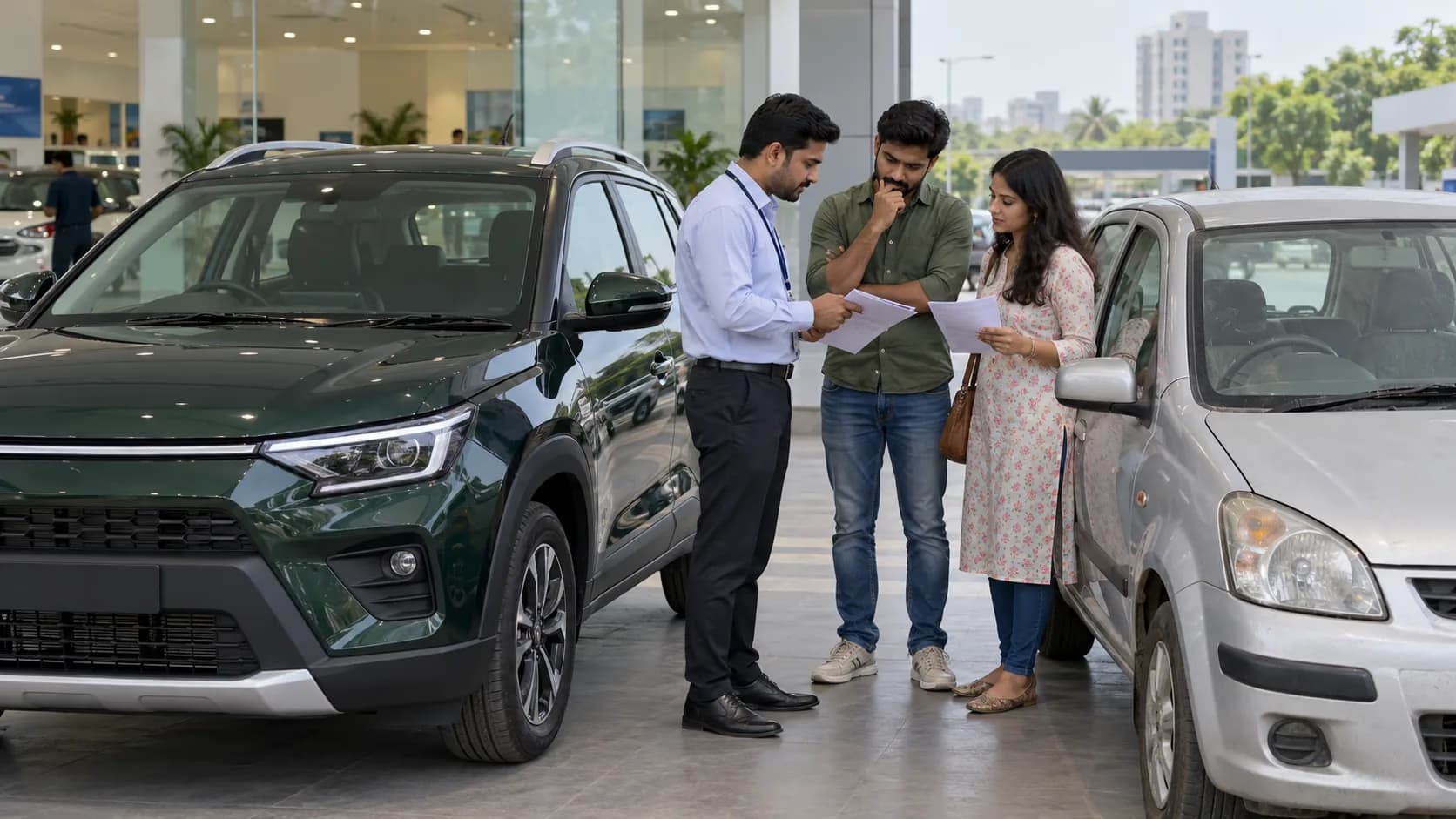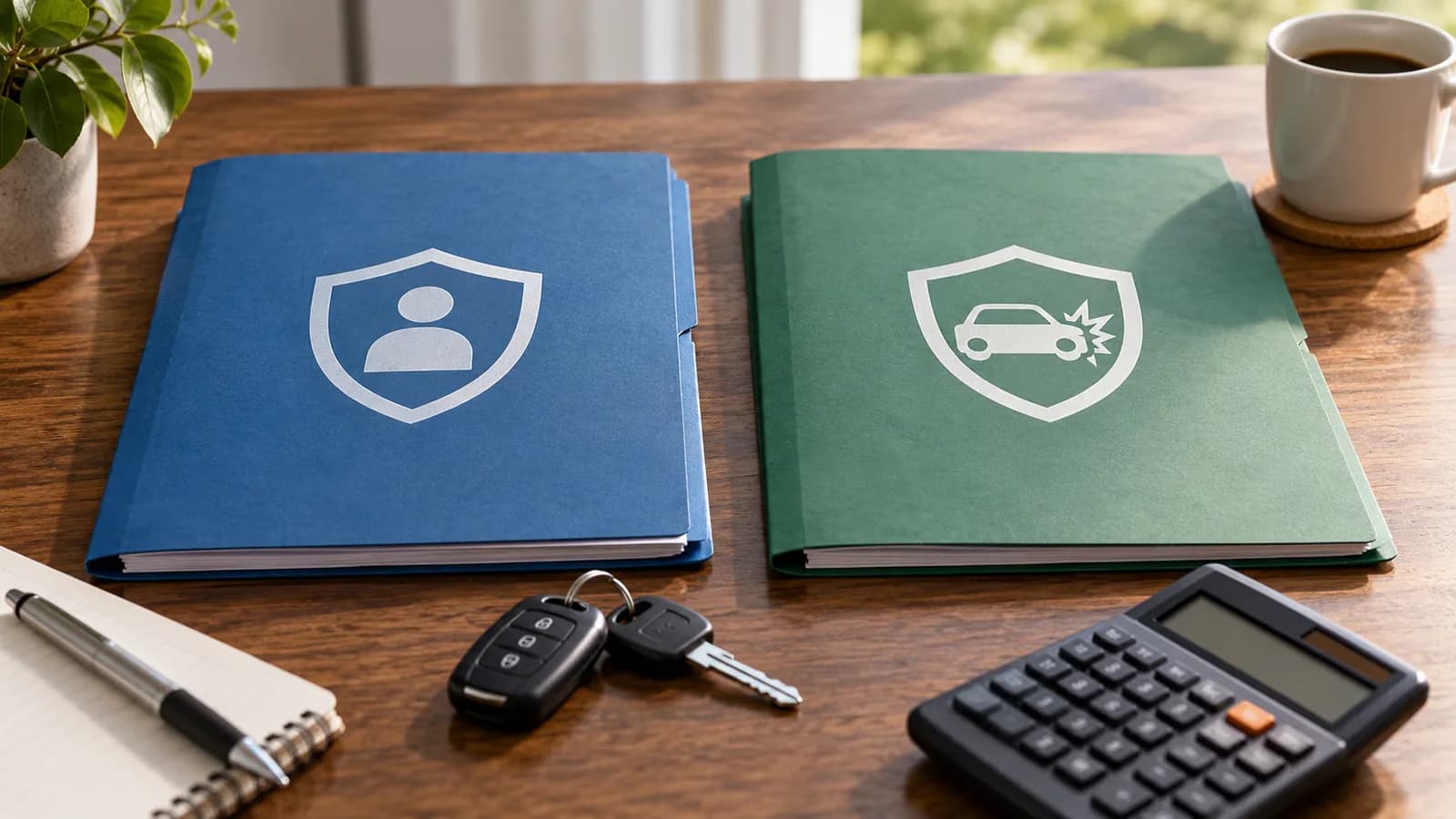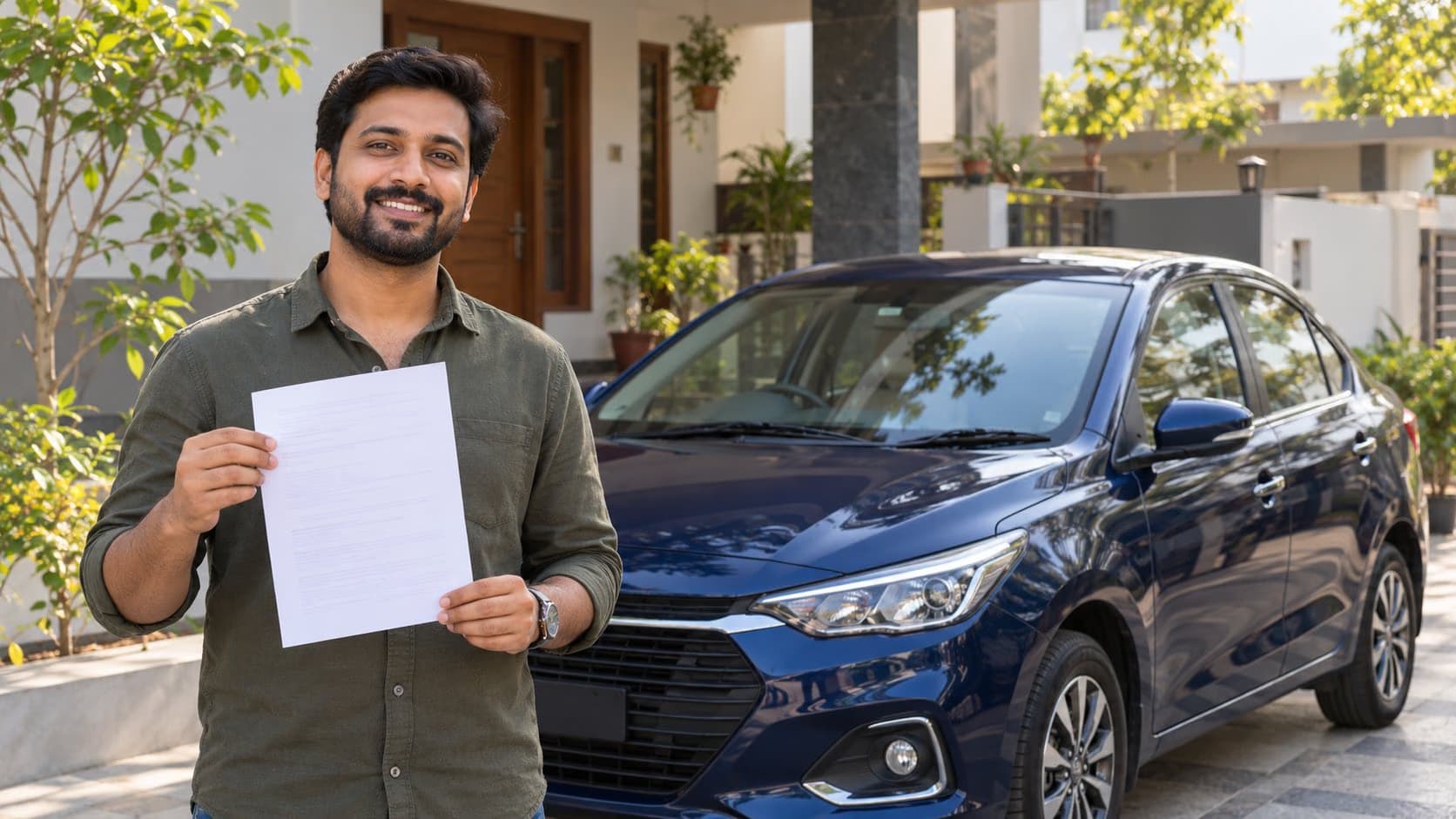
Two car-insurance renewal quotes can carry almost identical cover names but very different premiums. One explanation may be hidden in a small field on the schedule: insured declared value, or IDV. If one insurer values the car lower, its own-damage premium may look attractive while the amount available in a theft or total-loss claim may also be lower. Comparing only the amount due today misses that trade-off.
IDV is the sum insured stated for the vehicle at the start of the policy period. The standard private-car policy wording available through IRDAI's policy archive explains its role in total-loss and constructive-total-loss claims. Your actual current contract controls the outcome, so read the insurer's current policy wording and schedule rather than assuming an example from another company applies unchanged.
Put three quotations on the same footing
Ask at least three insurers or intermediaries for the same car, registration, owner details and dates. Keep the own-damage coverage, third-party liability, deductible and add-ons consistent. Then put IDV and premium in adjacent columns. If an offer is dramatically cheaper, find the specific reason before celebrating. It may have a lower IDV, a higher voluntary deductible, fewer add-ons, a different cashless garage network or a different treatment of accessories.
Do not simply push IDV to the highest number an online slider permits. A higher declared value can raise the premium and may still be subject to the contract's rules for valuation. Nor should you automatically accept the lowest permitted value to save a small amount. Choose a value you can explain using the insurer's method, the car's age, model and the current market, then keep the written quote that shows it.
The manufacturer's listed selling price and age-based depreciation are commonly used as starting points for fixing IDV in standard policy wording. For older or discontinued models, valuation may be agreed between insurer and insured. An invoice, model year and accessory receipts are useful when a quote has the wrong trim or unusually low value. Ask the insurer to correct the vehicle record before payment, not after a claim.
What IDV does and does not do
Its most direct importance is when a vehicle is stolen or treated as a total loss. The settlement depends on the policy terms, deductibles and the insurer's claim assessment, but a low IDV can put a low ceiling on what is payable. A routine repair claim works differently: parts, labour, depreciation rules, deductibles and add-ons may matter more than the declared value alone. Paying extra for a high IDV does not make every scratched bumper repair free.
Read the definition of constructive total loss in your current wording. Standard policies commonly refer to repair and retrieval costs crossing a stated proportion of IDV, but do not calculate a claim outcome from a single percentage without the applicable contract and assessment. Also check whether a return-to-invoice add-on is present and what events, age limits and exclusions it covers. Its name is not a promise that every claim will be paid at the original purchase price.
Watch the other numbers that move the premium
Zero-depreciation cover, engine protection, roadside assistance and consumables cover can be useful in different situations, but each has conditions. A quote with all add-ons should not be compared to a bare own-damage quote. Check the compulsory and voluntary deductibles separately. A voluntary deductible can cut the premium by shifting part of each applicable claim back to you.
Check the no-claim bonus stated on the quote and whether a previous claim has been recorded. A wrongly carried-forward bonus may create problems later. For a policy being transferred after a used-car purchase, confirm that the insured name, registration, ownership and coverage changes have been processed. A PDF with the old owner's name is not evidence that the renewal is ready for your use.
Cashless repair access also has practical value. Search for authorised garages near home and on frequent travel routes, then confirm that your preferred workshop is in the insurer's current network. A cheap premium is less attractive if an ordinary claim requires long travel or reimbursement paperwork you did not expect. Service quality is harder to reduce to a number, so check the claims process before buying.
A renewal exercise that takes ten minutes
- Open last year's schedule and note its IDV, coverage, deductible, add-ons and expiry date.
- Request comparable quotes for the correct registration and exact variant.
- Compare IDV and own-damage premium side by side, then check add-ons and deductibles.
- Ask for the current policy wording and confirm the claims and garage process.
- Pay only after the final schedule shows the details you intended to buy.
Keep the payment receipt and downloaded policy together. If a quote has an odd value, call the insurer or licensed intermediary and request a corrected written proposal. A screenshot of a premium without the schedule is not a meaningful comparison.
The best renewal is not automatically the cheapest or the most expensive. It is the quote whose value, coverage and claim obligations you can understand before anything goes wrong. Read the current policy document for the precise terms that apply to your vehicle.