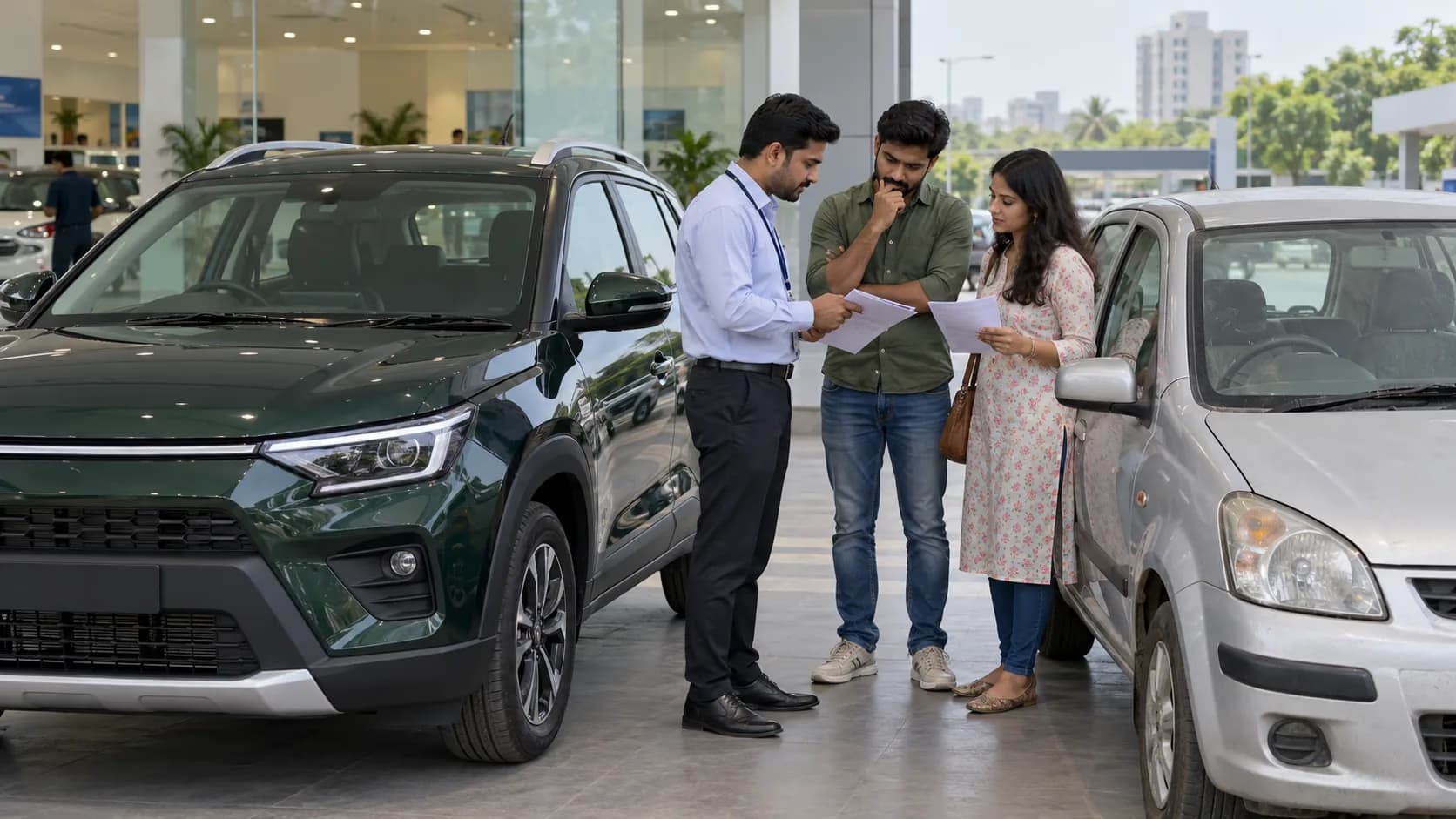
A damaged car and a hurried workshop handover are exactly when paperwork gets scattered. Whether a repair is cashless or reimbursed, do not treat the insurance desk as a black box. Start by preserving the condition of the vehicle and collecting the document trail before authorising avoidable work.
Start with evidence, not assumptions
Take clear photographs of the vehicle, damage, odometer and surrounding context where it is safe to do so. Note the date, location and other vehicle details involved. Tell the insurer promptly through its stated claims channel and ask for the claim reference number. For an accident involving injury, third-party damage, theft or another circumstance requiring police reporting, follow the insurer and local-authority process rather than relying on a workshop verbal assurance.
Documents commonly requested
IRDAI notes that a motor claim commonly involves a completed claim form, RC copy, repair estimate, repair invoice and payment receipt; an FIR may be required in relevant cases. The exact list can vary by policy and claim type. Keep a copy of your policy schedule, driving licence of the driver at the time, RC, photos, claim number, estimate, surveyor communication and final job card.
Before approving the repair
- Ask which line items are insurer-approved and which are customer-pay items.
- Read the estimate for consumables, depreciation, deductibles and any non-covered upgrades.
- Do not sign an open-ended estimate without a clear explanation.
- Keep copies of every revised estimate and the final invoice.
- At delivery, inspect panel gaps, paint match, warning lamps and the repair area before closing the job card.
Cashless does not mean document-free
Cashless repair changes how the bill is settled between insurer and network workshop. It does not remove policy conditions, deductibles or your responsibility to check the final invoice. A small folder on your phone and one physical copy can save a difficult follow-up later.
Use IRDAI's motor-insurance policyholder guidance for the official baseline, then read your own policy wording for the exact cover.