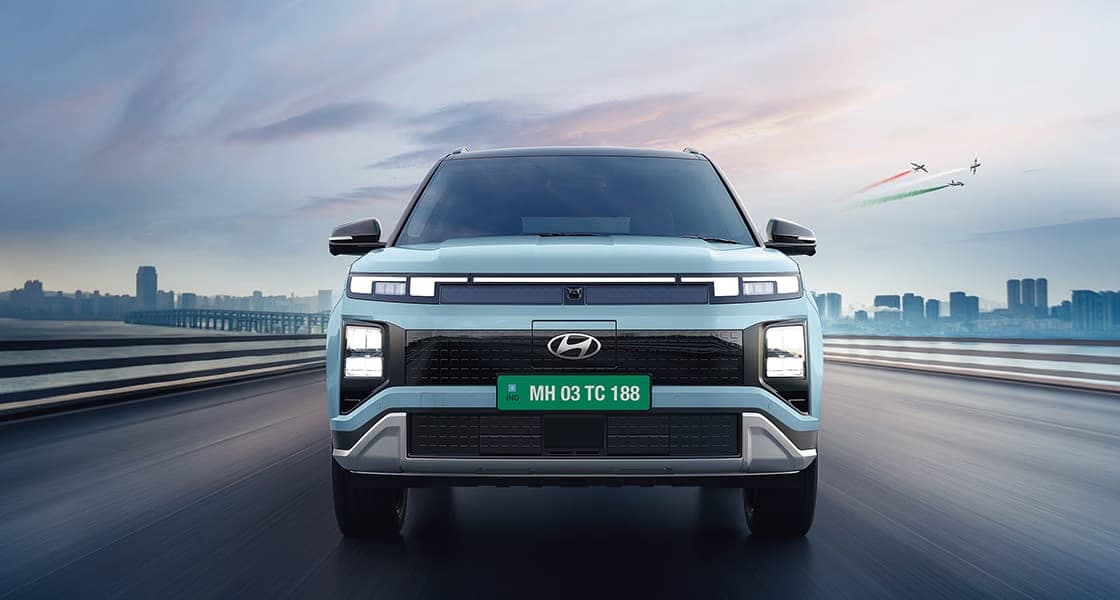
Resale uncertainty is one reason an electric-car buyer may hesitate, even after the charging and range questions are answered. Hyundai Motor India is trying to make that uncertainty smaller for the Creta Electric. In an announcement dated 4 August 2026, it introduced an assured buyback programme describing a 60% value till three years or up to 45,000 km. That headline gives buyers a number. It does not, by itself, give every detail needed to calculate what a particular owner will receive.
A buyer should therefore treat the announcement as the start of a contract discussion. Ask the dealer for the applicable written programme terms before signing, and compare the whole purchase and exit arrangement with buying the car normally. The useful question is not “Is 60% good?” It is “60% of exactly which amount, under which conditions, and what choices do I give up?”
What Hyundai has confirmed publicly
Hyundai says the programme applies to the Creta Electric and offers 60% assured buyback value till three years or up to 45,000 km, with a qualification marked by an asterisk in its release. The public announcement does not spell out every condition in the text we can verify. Do not assume that the percentage is calculated on the on-road price, that every purchase channel or variant is eligible, or that normal wear and tear will be treated in a particular way. Those details belong in the actual offer document.
The announcement also mentions the car's two battery options, 42 kWh and 51.4 kWh, and claimed certified ranges of 420 km and 510 km respectively. These are Hyundai's stated test figures; they are not the buyback value and do not predict an individual car's condition at return. The car's specification still needs to suit your route and charging access. A buyback plan is not a substitute for the first, more basic question of whether the EV fits your daily use.
Find the base amount behind 60%
The first line to locate in the agreement is the definition of the “assured buyback value.” Is it based on the ex-showroom invoice, a pre-discount vehicle price, the amount financed, or another defined figure? The headline release does not settle this. Registration, insurance, accessories and finance charges often make the on-road outlay materially higher than the car's ex-showroom price. A percentage of one number will not equal the same percentage of another.
Ask for a worked example using the exact variant and the real quotation you are considering. Have the dealer show the amount payable at purchase, any additional charges attached to participation, and the actual rupee value offered at the exit point if the car meets every condition. Do not rely on a handwritten percentage at the corner of a brochure. If there is a loan, find out whether any outstanding balance must be settled before the vehicle can be returned and who handles the paperwork.
Three years and 45,000 km are conditions, not a driving plan
The phrase “till three years/ up to 45,000 km” needs precise interpretation in the signed terms. Ask when the clock starts: invoice date, registration date or delivery date. Confirm whether the mileage limit is inclusive and what happens if it is exceeded by even a small amount. Also ask how the odometer reading is verified and whether an early exit is allowed. The public release states the headline limits, not the consequence of every edge case.
Estimate your own likely use before getting excited about a residual number. A household driving 20,000 km each year would cross 45,000 km before a third anniversary. A low-mileage city owner may have plenty of margin. A new job, change of home or regular intercity trips could move either estimate. If your expected usage sits near the threshold, ask what the plan offers beyond it before treating the assured value as part of your purchase budget.
Condition rules can change the final cheque
What standard will be applied to tyres, paint, interior, glass, accident repair and service history? Who inspects the car, and can you dispute an assessment? Will a claim repair at an authorised workshop affect eligibility? Does the programme require periodic service at specified centres? A proper contract should answer these questions. Without it, a buyer cannot know whether the 60% is a clean guaranteed payment or a ceiling subject to deductions.
Keep every service invoice, insurance record and repair document. Photograph the car when it is delivered, and note any agreed pre-existing marks. This is ordinary ownership discipline, not a suggestion that Hyundai will make a particular deduction. If the programme ties eligibility to an authorised network, record those requirements now instead of discovering them at handover.
Buyback, exchange and open-market sale are different exits
At the end of ownership, a car may be worth more to a private buyer or another dealer than the assured figure. Ask whether you must take Hyundai's offer, whether you can instead sell freely, and whether accepting the value requires buying another Hyundai. If the buyback is a floor rather than a compulsory return, it may be valuable protection. If it restricts your choices, those restrictions have a cost. The announcement alone is not enough to classify the scheme either way.
Also separate a “buyback” from a finance product with a balloon payment. They can look similar in an advertisement but create different obligations. Request the purchase agreement, finance agreement and buyback terms as distinct documents if all three exist. The car's ownership, loan settlement and return process must be consistent across them.
A simple way to assess the numbers
Take the written on-road amount you would pay without the programme. Add loan interest and programme fees if applicable. Then ask for the promised rupee buyback amount under the exact terms. The difference is only one part of ownership cost: electricity, insurance, tyres, maintenance, charging hardware and parking may also matter. Avoid inventing a single “monthly EV cost” from the 60% headline.
For example, if a contract hypothetically defines the base as an ex-showroom amount, 60% would apply to that amount, not automatically to the higher on-road figure. This is a method of reading the document, not a statement that Hyundai's final contract uses that basis. Have the seller write down the exact formula and a rupee example for your car before you commit.
Questions worth asking at the showroom
- Which Creta Electric variants and purchase channels are eligible today?
- What is the amount on which the 60% is calculated?
- When do the three-year and 45,000 km limits start, and what happens if either is exceeded?
- What condition, service and accident-repair rules apply?
- Is the return optional, and can I sell privately instead?
- Must I buy another car to receive the value?
- Who clears an outstanding loan, and when is payment made?
- Can I take the full contract home before paying a booking amount?
The programme could be useful for someone who expects to change cars within three years and stays comfortably below the mileage ceiling. For a long-term owner it may have little practical value; for a high-mileage owner the limit may arrive early. Ask for the signed details and check the verified Creta Electric model against your real charging routine. Only then can the assured percentage become a meaningful number rather than an attractive headline.