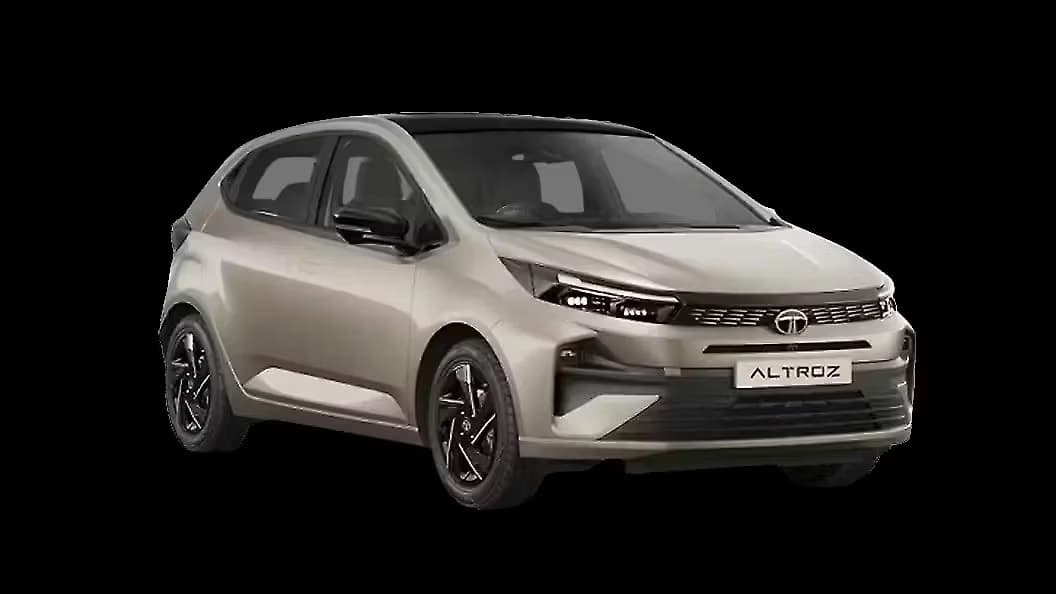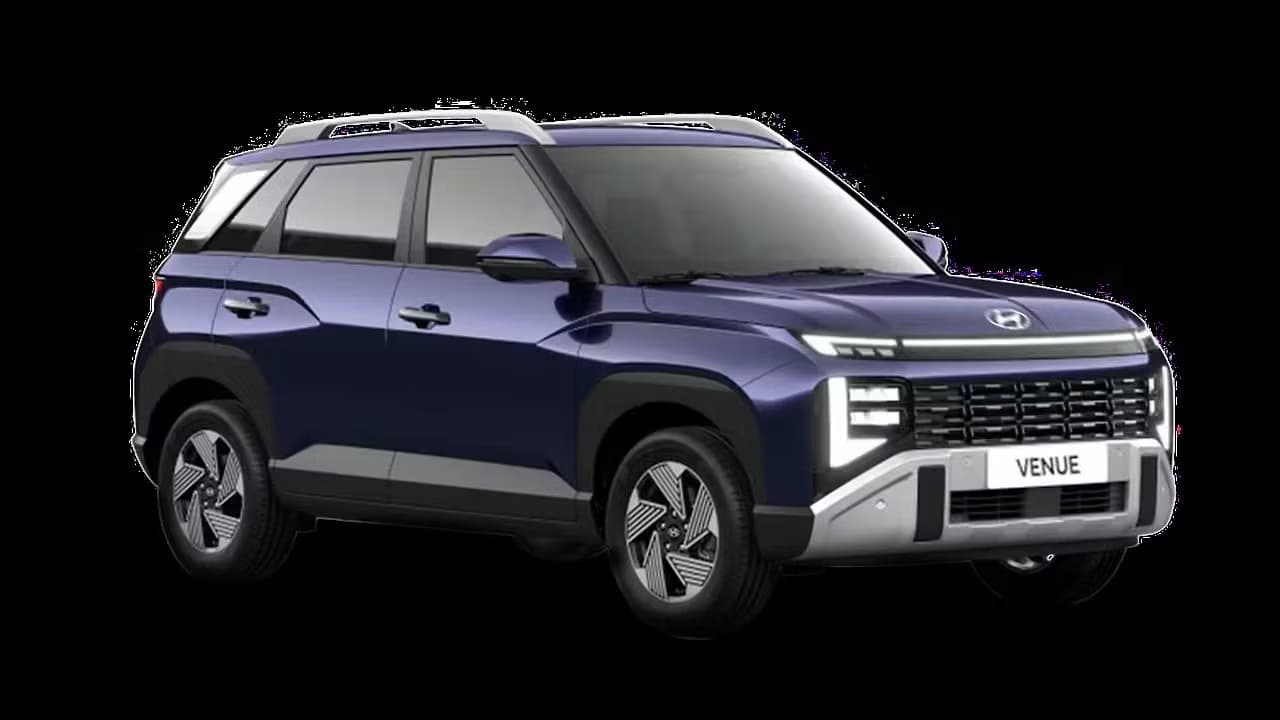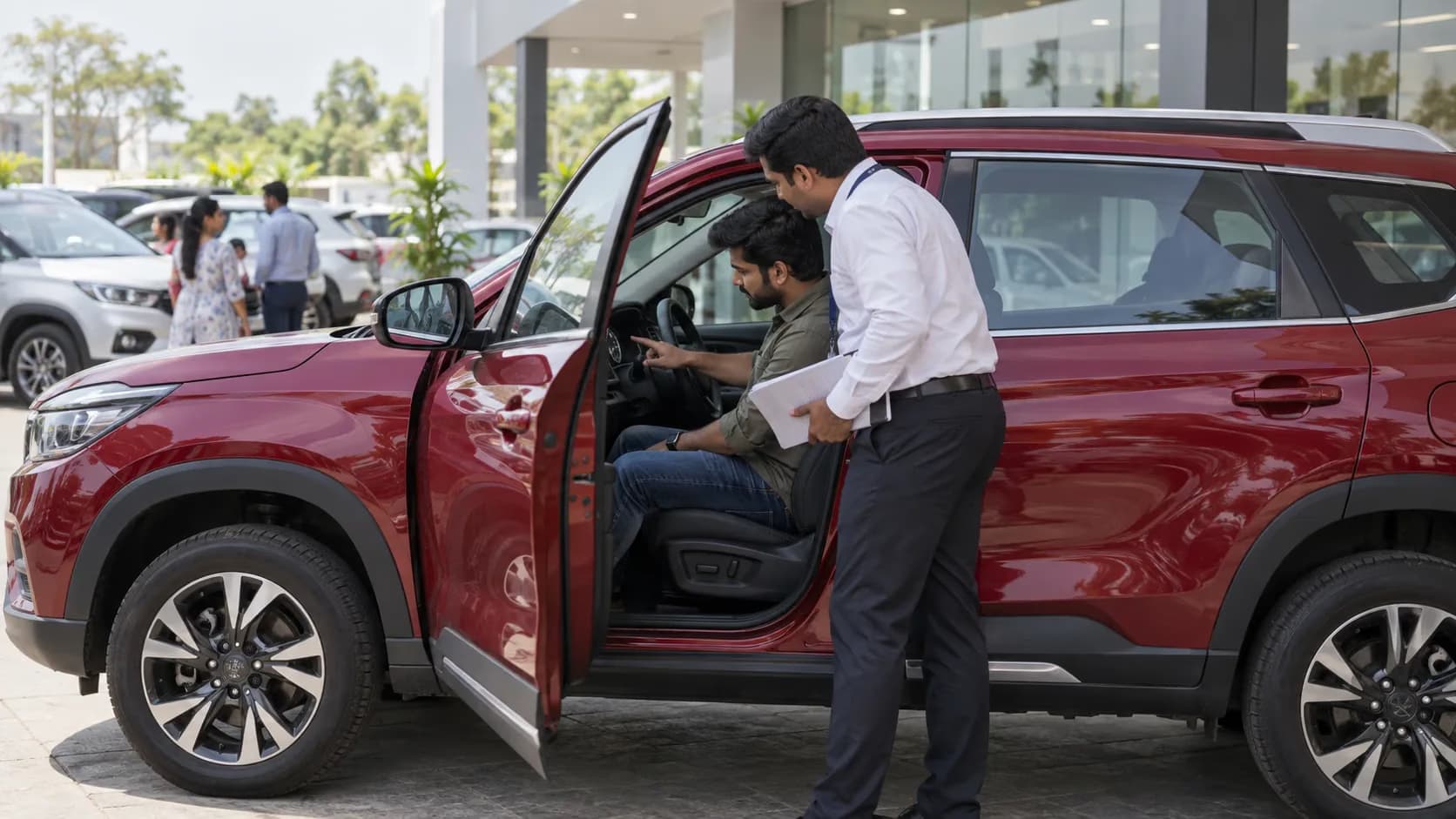
The SUV you like may fit in the brochure's dimensions and still be awkward in your apartment's basement. A low beam at the ramp, a tight turn around a pillar, or a parking bay that leaves no room to open the door can become a daily problem. A test drive that never visits your actual parking space misses one of the most practical parts of buying a larger car.
Measure the route, not only the marked bay
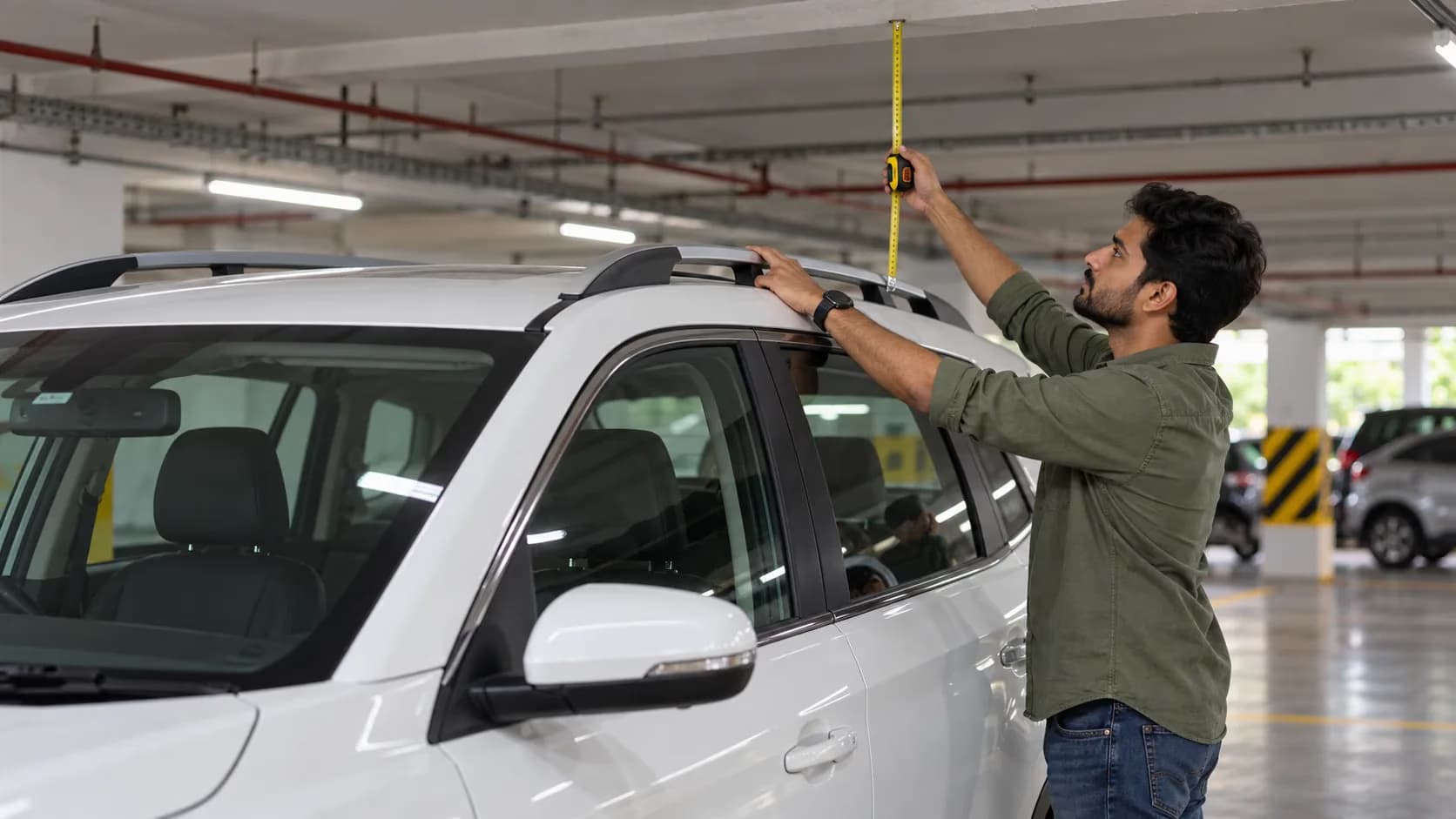
Start at the entrance your car will use. Check the posted height limit, then identify the lowest real point: a beam, pipe, sprinkler, hanging sign or shutter. Follow the route down the ramp and through the turn into the allotted bay. Measure usable width between pillars or neighbouring vehicles and usable length up to the wall, wheel stop or stored items. The open rectangle painted on the floor is not the whole journey.
Record the dimensions with a tape measure and photographs, but do not treat a single measurement as a guarantee. Floors slope, pipes protrude, and neighbouring vehicles move. Ask the society or parking operator for the permitted vehicle dimensions and any mechanical-stacker limits. If the space belongs to a landlord or is shared, confirm which exact bay you may use. A car that fits one evening with empty adjacent spaces may not fit after residents return.
Use the exact car's dimensions
Get the length, body width, height and turning-circle information for the exact variant and tyre or equipment configuration. Do not assume the first dimensions box on a comparison website includes mirrors or accessories. Hyundai's dimension listing for one of its vehicles shows separate height figures with and without a roof rack, a reminder that equipment can change the measurement. Those numbers are an example of how manuals present data, not a recommendation for that model.
A roof-mounted antenna or carrier can also make a difference. Hyundai's antenna guidance specifically tells drivers to check vehicle height before entering low-ceiling spaces. If you plan to fit accessories later, include their installed height in the assessment. Do not assume the roofline printed in the brochure is the highest point of the car as you will actually use it.
Width becomes a door-opening problem
Body width may exclude side mirrors; even with power-folding mirrors, you still have to enter, stop and get out safely. Test where the driver's door can open once the car is centred in the bay. Think about children entering a rear seat, an older passenger stepping out and a stroller being loaded from the boot. A bay that barely accommodates the body can demand daily contortions that no parking camera solves.
Autocar India's parking-width advice highlights the difference between mirror-to-mirror and body width. CarWale's parking guide likewise points out that turning space and the available length matter in real manoeuvres. These are prompts for a site test, not substitute dimensions for your particular vehicle and building.
A ramp tests a different kind of clearance
Do not confuse an overhead height limit with ground clearance. At a steep change between road and ramp, a car can touch its lower front, middle or rear even when it has plenty of space above. We have a separate reason to think about approach and departure geometry; for a purchase decision, the practical answer is to try the route slowly in the actual vehicle with the dealer's permission. Look for scrape marks on the concrete as warnings, but do not deliberately risk damaging a test car to prove a point.
Some basements have a tight hairpin turn immediately after a slope. There, overall length, wheelbase and turning circle affect whether you need several corrections. Test it when traffic is quiet and with a spotter if required. Do not rely on the driver's 360-degree camera alone; it may not show an overhead pipe or the exact position of a bumper corner against a pillar.
Mechanical stackers need an extra check
If your space uses a lift or stacker, the operator's rules may specify maximum height, width, wheelbase and weight. Ask for those written limits and compare them with the exact car, not just the model family. A motorised platform can have narrow tyre tracks or a height that changes as it moves. Confirm whether roof rails, a spare-wheel cover or an open tailgate affect clearance. Do not buy on a salesperson's assurance that "all SUVs fit" without the operator's confirmation.
Take the test drive home
Ask the showroom to include your parking route in the test drive, subject to permission and insurance rules. Use the same entrance and bay you would use daily. Bring a family member who can observe from outside while you drive slowly. Note whether mirrors must be folded before the narrow point, whether the tailgate can open when parked, and whether there is room to turn around if another car is waiting at the ramp.
Repeat the test at a realistic time if the area becomes crowded. See how much room remains when the neighbour parks normally. A car can be technically within the measured dimensions and still be exhausting to park every evening. If the sales car differs from your chosen trim in wheel size, roof equipment or body kit, verify that those differences will not invalidate the test.
Think about the vehicle you will own in two years
Owners often discover a parking problem after adding an accessory or changing their routine. A roof carrier for holiday travel may prevent entry to a familiar basement; a replacement vehicle with a rear-mounted spare wheel may be longer at the back than the old car. If your building has a strict height bar, ask whether accessories must be removed before entry and whether you have somewhere safe to store them. A small planning question now avoids a recurring inconvenience later.
The same applies to daily loading. Check the tailgate's swing under overhead pipes and behind a wall, and make sure a child can leave the rear seat without opening the door into a neighbour's car. If charging an EV in that bay, confirm that the permitted charging point and cable route do not obstruct the walkway or another vehicle. These are building and practical constraints, not promises that a car's brochure can answer.
Make the test repeatable
Mark the lowest overhead point and narrowest turn on a simple sketch. Photograph the trial with the dealer's consent, including a view showing the available margin rather than just the parked car. Ask the building manager about any planned changes to the bay or access route. If a spotter was essential to make the manoeuvre, consider whether that help will actually be available every day. A workable family car should still be workable on an ordinary rushed morning.
Leave margin, not a millimetre victory
Dimensions are nominal figures. The way you use the car changes them: roof bars, an antenna, a bicycle carrier or a loaded boot can alter what must clear a beam or wall. Even without accessories, human parking is imprecise. The aim is an easy, repeatable manoeuvre with enough space to enter and exit safely, not a photograph showing the car squeezed in once.
Before paying the booking amount, write down the building's constraints, compare them with the exact variant, and complete a real parking trial where possible. If the car cannot pass the ramp or leaves no usable door-opening space, a smaller alternative may save more daily frustration than a long feature list can offset.