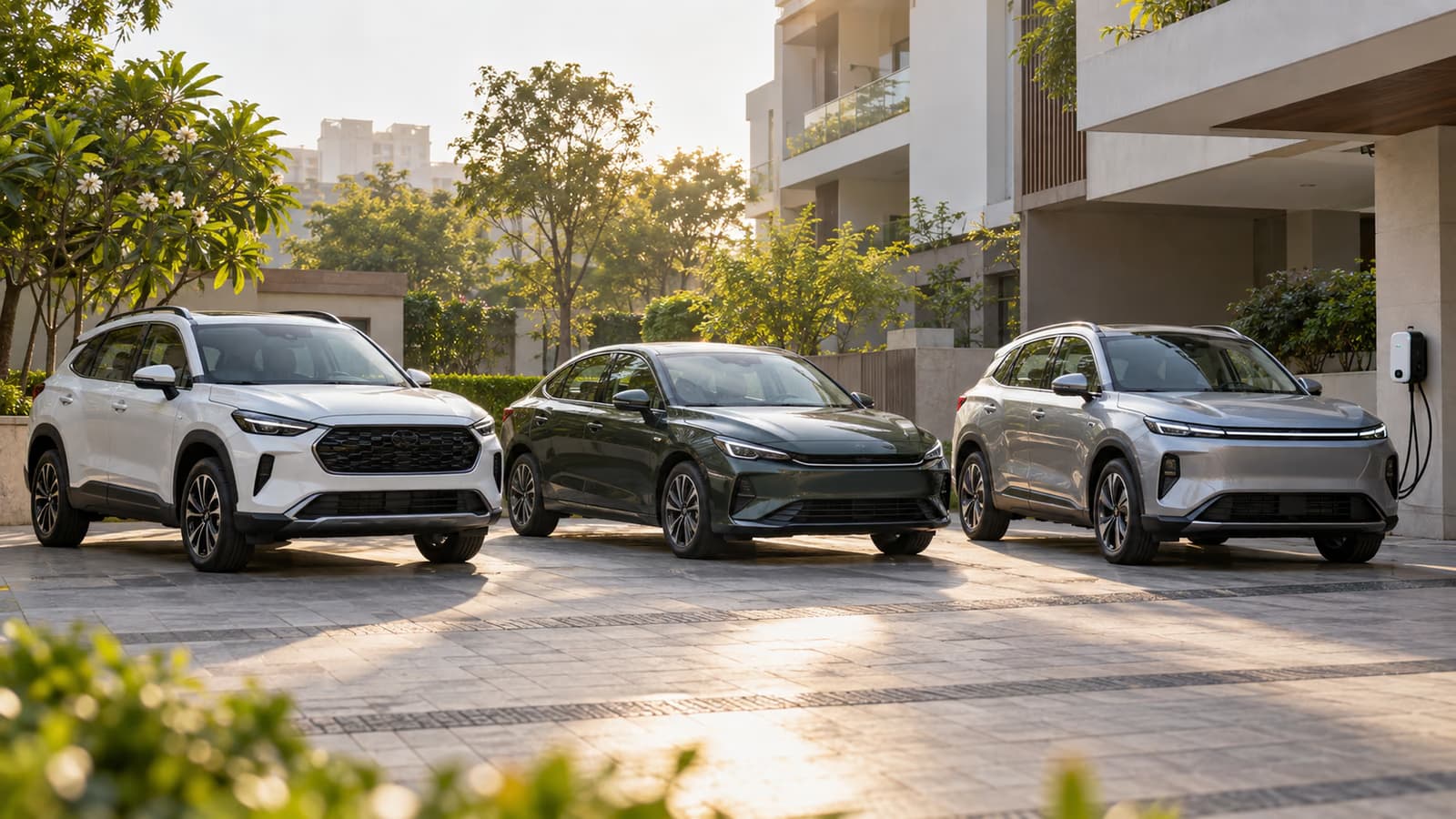
Choosing between petrol, a strong hybrid and a fully electric car is no longer a theoretical decision in India. There are credible options across all three powertrains, but the cheapest technology on paper is not automatically the cheapest or easiest one for every household.
The correct answer starts with your parking and travel pattern, not an advertised mileage or range figure.
Quick recommendation
- Choose petrol for low annual running, a lower purchase price and simple refuelling.
- Choose a strong hybrid for heavy urban use without dependable charging.
- Choose an EV when you have reliable home or workplace charging and predictable daily travel.
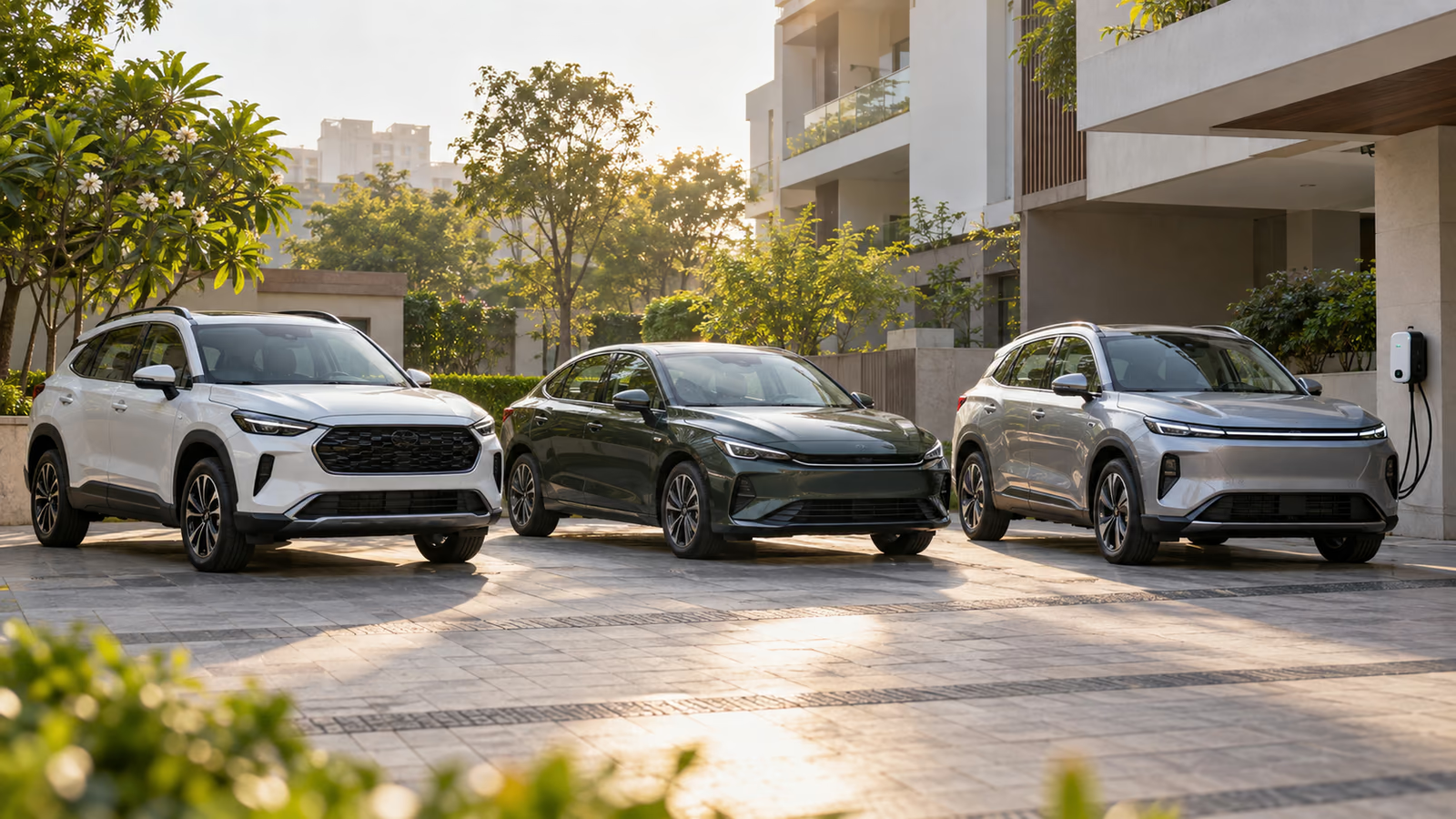
Petrol: lower entry cost and maximum flexibility
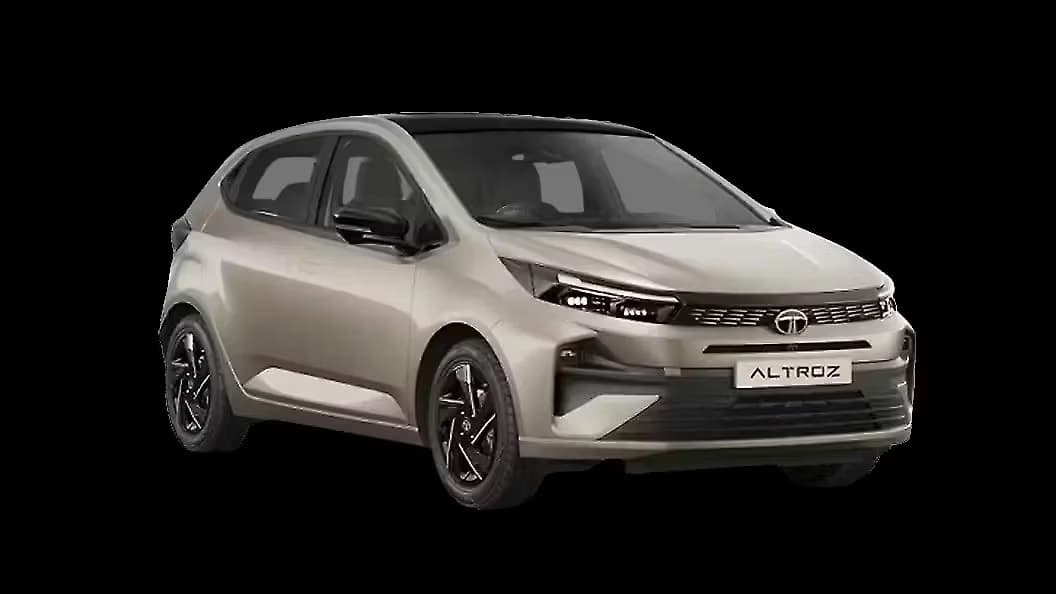
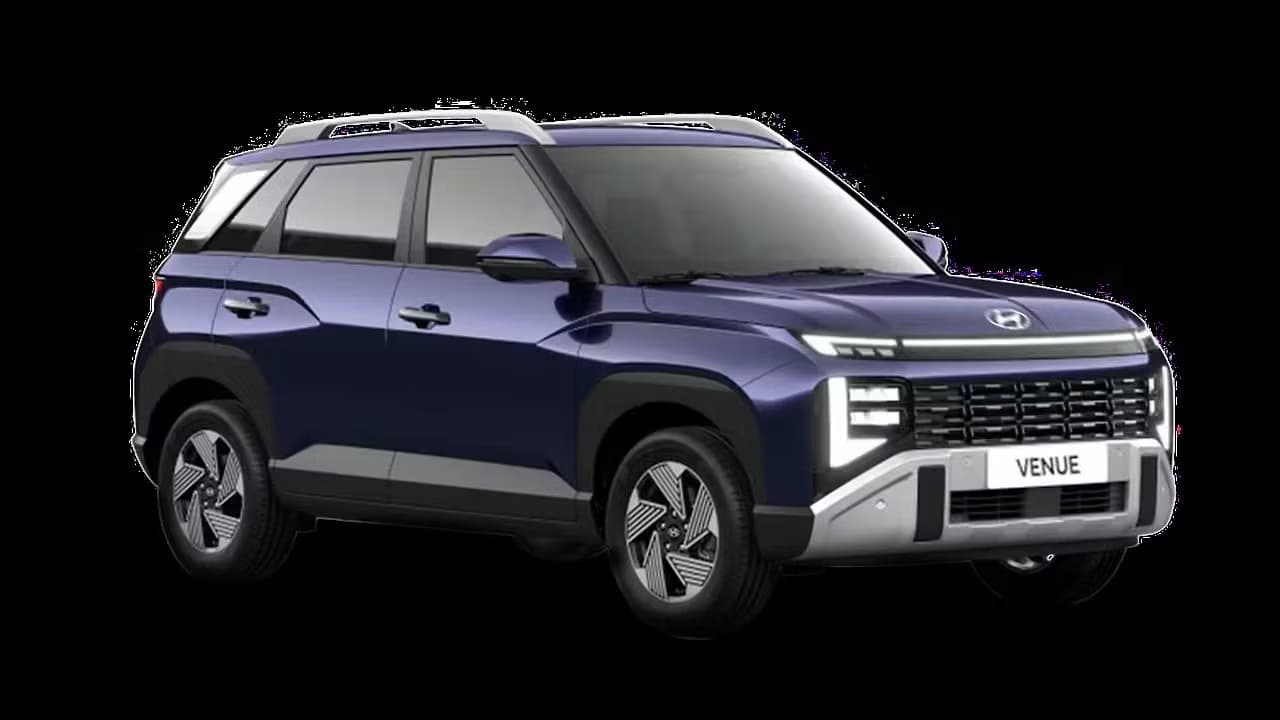
A conventional petrol car is still the simplest choice for buyers with modest running. It generally costs less to buy than an equivalent strong hybrid or EV and can be refuelled almost anywhere within minutes. The weakness is urban efficiency: repeated stop-start traffic exposes the engine's least efficient operating conditions.
Petrol also suits households that take irregular long trips through areas where charging confidence is limited. Calculate fuel cost using your likely city mileage rather than the certified number.
Strong hybrid: most useful in dense urban driving
A strong hybrid can move at low speeds on electric power, recover energy while slowing down and keep the engine closer to an efficient operating range. Its advantage is strongest in traffic. There is no charging cable, which makes it suitable for apartment residents without a fixed parking socket.
The trade-off is a higher purchase price and, in some models, reduced boot space due to the battery. Highway efficiency can remain good, but the gap over an efficient petrol car often narrows when cruising steadily.
Electric: low running cost, but charging decides the experience
An EV is at its best when most charging happens at home overnight. It offers quiet progress, immediate response and low energy cost per kilometre. Public fast charging is valuable for occasional travel, but relying on it for every charge makes ownership less convenient and can erode the cost advantage.
Do not compare only claimed range. Look at usable battery capacity, realistic highway range, DC charging speed, charging curve, battery warranty and service support in your city.
Calculate break-even honestly
Subtract the price of the comparable petrol variant from the hybrid or EV price. Then estimate annual energy savings using your own kilometres, local petrol price and home electricity tariff. Add insurance, financing cost and any charger installation expense. A buyer driving 7,000 km a year reaches break-even far later than someone covering 20,000 km in urban traffic.
Five questions before deciding
- Do you have an assigned parking space with dependable electricity?
- How many kilometres do you drive in a normal month?
- How often do you travel beyond the practical one-charge radius?
- Will you keep the car long enough to recover the higher purchase price?
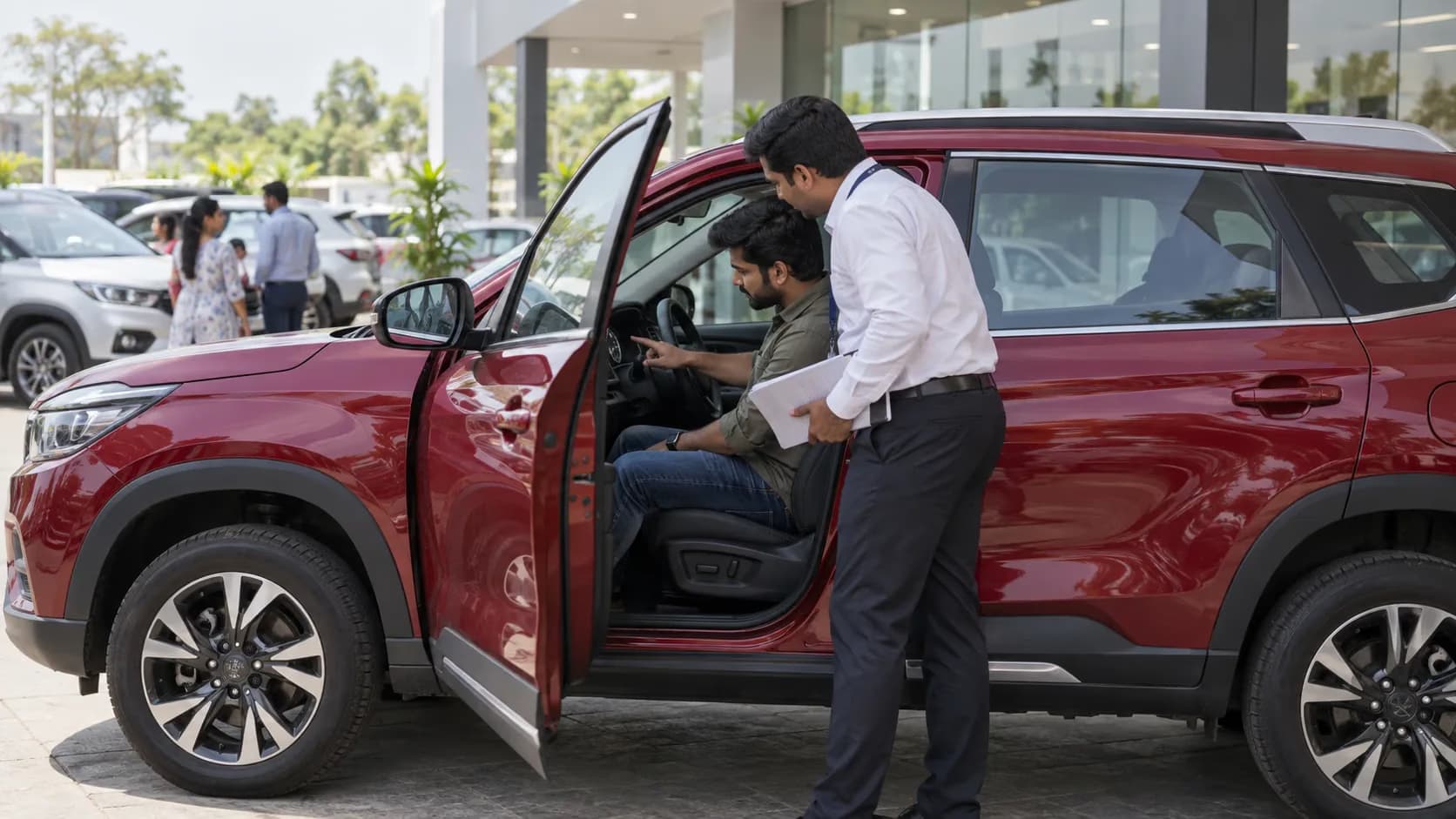
- Does the exact variant include the safety and comfort equipment you need?
Verdict
Petrol remains the sensible default for lighter use. A strong hybrid is the low-friction efficiency choice for high urban mileage without charging. An EV can deliver the best ownership experience and running cost when private charging is available. Buy the powertrain that fits your routine, not the one currently receiving the loudest marketing.
Sources
Policy and charging context was checked against the Ministry of Heavy Industries and current manufacturer warranty information. Costs should be recalculated for the buyer's city and shortlisted variants.