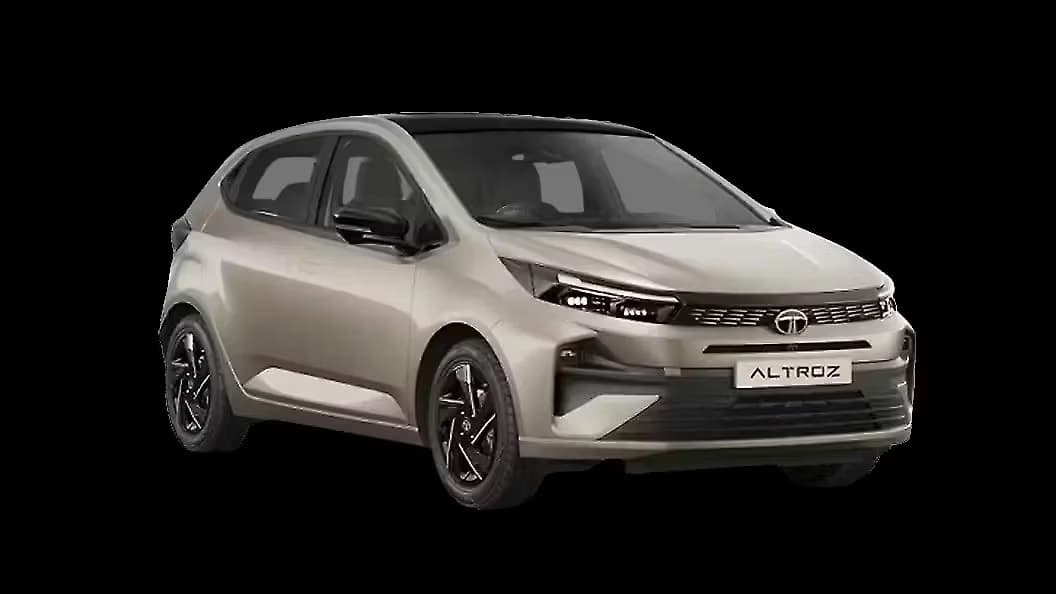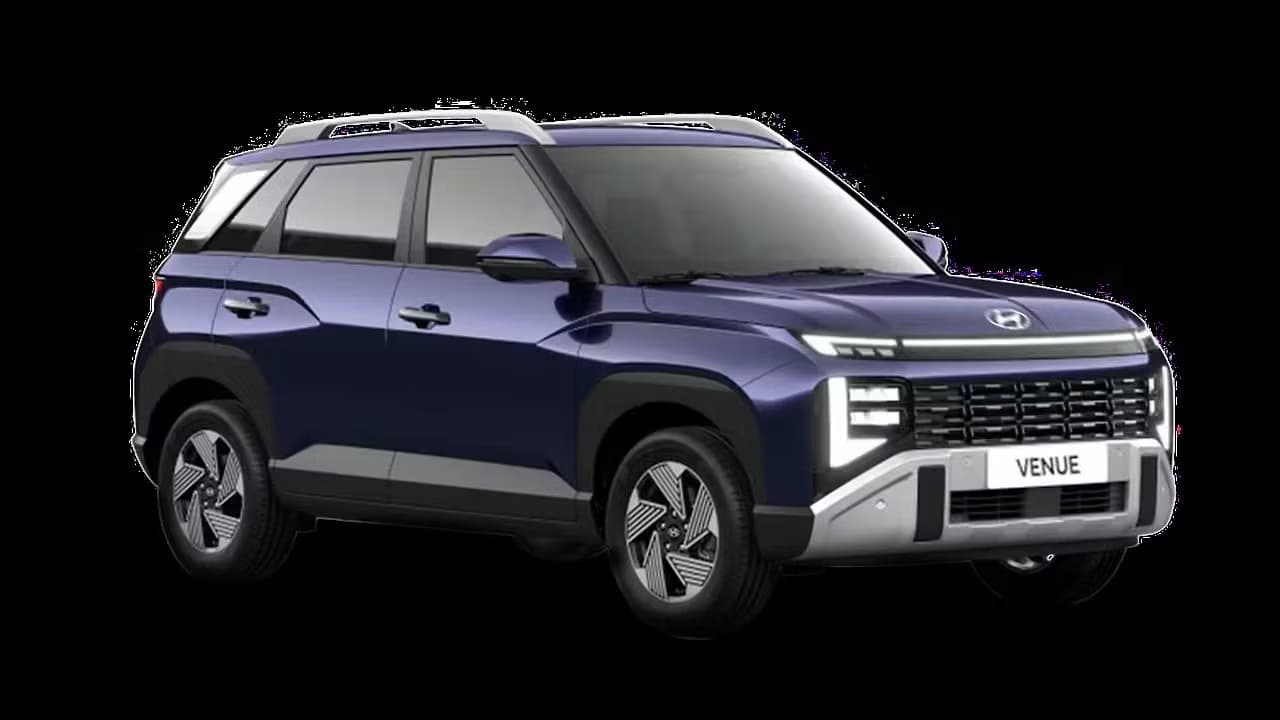
A powertrain is not an identity. It is an operating system for a particular routine. A petrol car can be the sensible answer for low annual running. CNG can work beautifully for a predictable urban route. Hybrid ownership can simplify mixed city use, and an EV can be exceptionally convenient when regular charging is genuinely available.

Begin with four facts
- Your realistic annual kilometres, based on the last six to twelve months.
- Where the car sleeps and whether charging can be installed or accessed there.
- How often the car makes long, time-sensitive highway trips.
- How long you expect to retain it and whether boot space is non-negotiable.
| Powertrain | Often makes sense for | Question that decides it |
|---|---|---|
| Petrol | Lower annual running and flexible ownership | Does the automatic/manual combination suit traffic? |
| CNG | Regular city distance with nearby filling access | Can you live with the boot and refuelling compromise? |
| Hybrid | Mixed urban use without plug-in dependency | Does the upfront premium fit the retention period? |
| EV | Reliable home or workplace charging | Is charging permission and electrical capacity settled before delivery? |
Calculate ownership, not a marketing cost per kilometre
Use your electricity tariff or fuel bills. Include insurance, service, tyres, finance cost, likely parking changes and expected resale. Then run a second calculation for a bad month: a temporary loss of home charging, a longer route, or a higher fuel bill. The answer that still fits that month is the robust answer.
Drive the exact drivetrain
Do not test a petrol manual and order an automatic CNG, or test a top trim and book a base trim. Low-speed response, regeneration feel, gearbox behaviour and luggage packaging are powertrain decisions, not small details.
There is no universal winner. There is a better match between a vehicle and a life that already has a route, a parking space and a budget.