Spy shots are useful because they show a vehicle in development outside a studio. They are also easy to over-read. A taped-up bumper can indicate testing; it cannot confirm a variant name. A temporary wheel can hide final fitment. A prototype seen in one season may still be months away from a customer-ready car.

What an image can support
| Observation | Reasonable reading | What it cannot prove |
|---|---|---|
| Overall body shape and size | Likely segment or packaging direction | Final dimensions or cabin space |
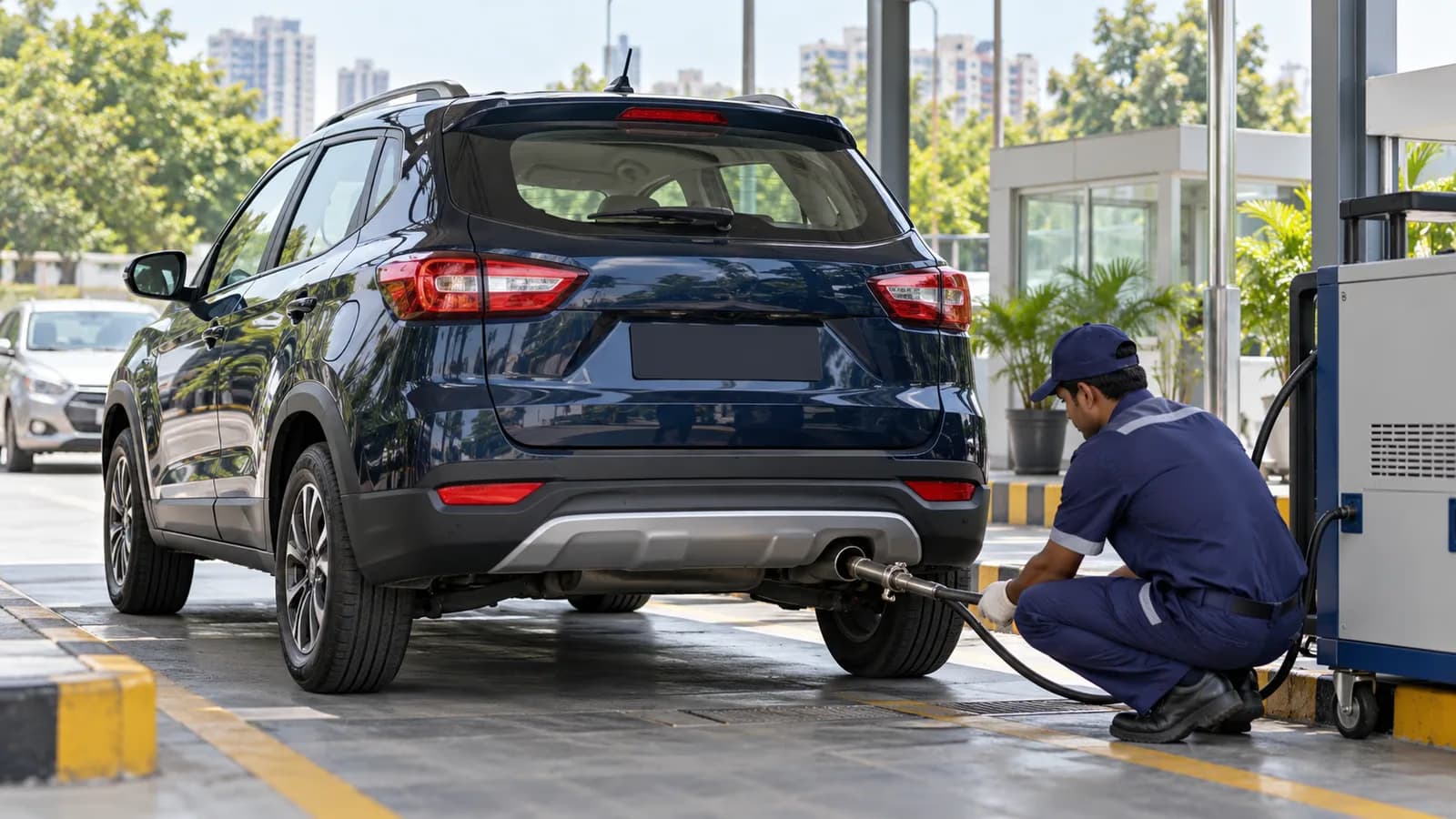
| Charging flap or exhaust outlet | Possible powertrain test direction | Battery size, engine output or range |
| Uncovered lamp or grille detail | Potential design theme | Final feature list across variants |
| Dealer or test location | Development activity | Launch month or price |
Our confidence labels
Use observed for something visible in the image, official for a manufacturer statement and expected only when it is clearly framed as an estimate. Those labels keep an interesting story from becoming an accidental promise.
Why timing is especially slippery
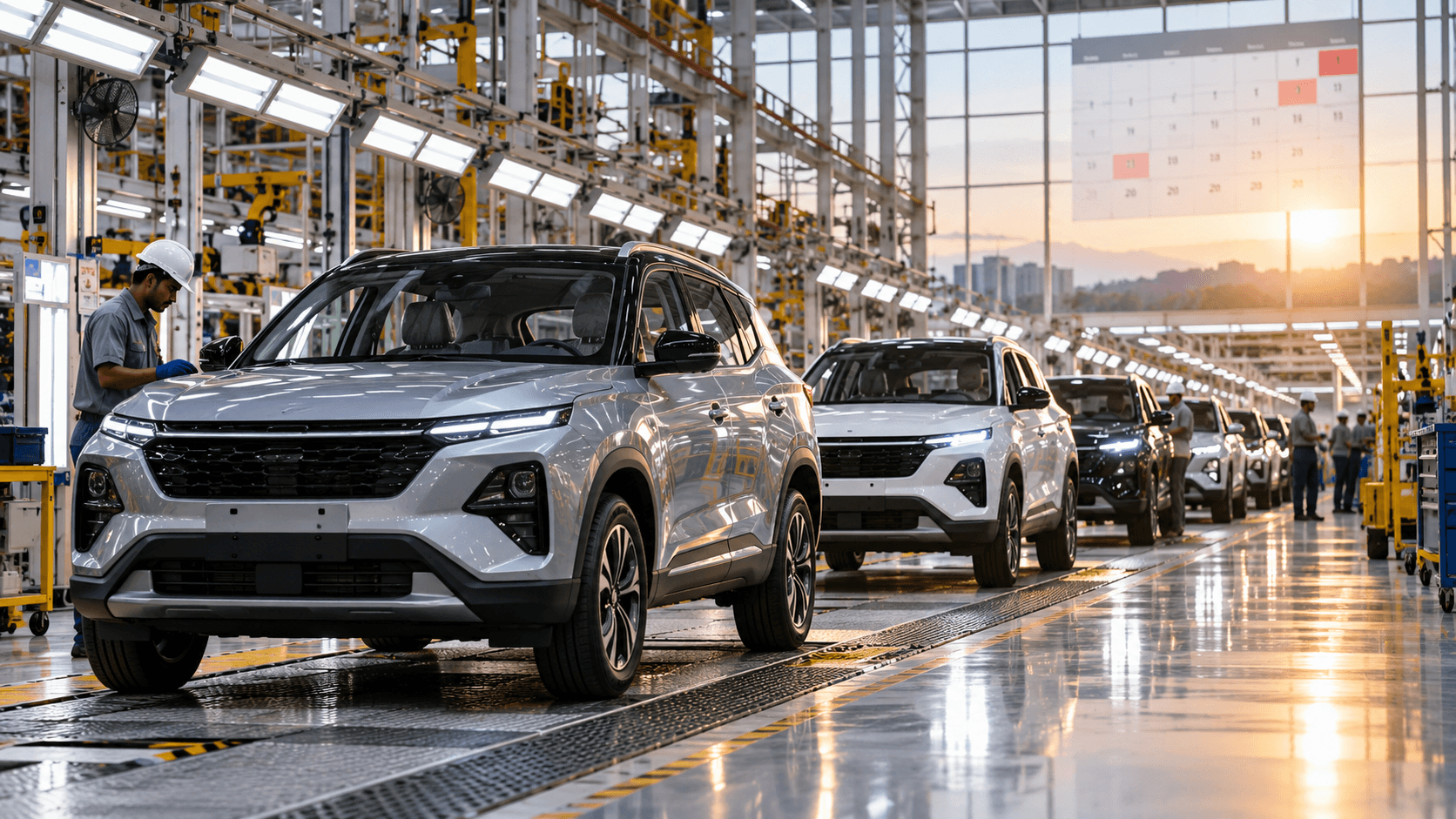
Validation, supplier readiness, regulation, variant planning and production capacity can all move a programme. A test mule can be early, late or testing a component intended for more than one vehicle.
The best spy-shot reporting gives readers a window into development and then leaves space for uncertainty. It does not fill every covered panel with invented facts.