
An expected launch date has value when it tells you when to start comparing options. It becomes misleading when it is presented like a fixed delivery promise. Between a test car appearing and a customer receiving a vehicle sit validation, supplier schedules, regulatory work, production planning and dealer allocation.
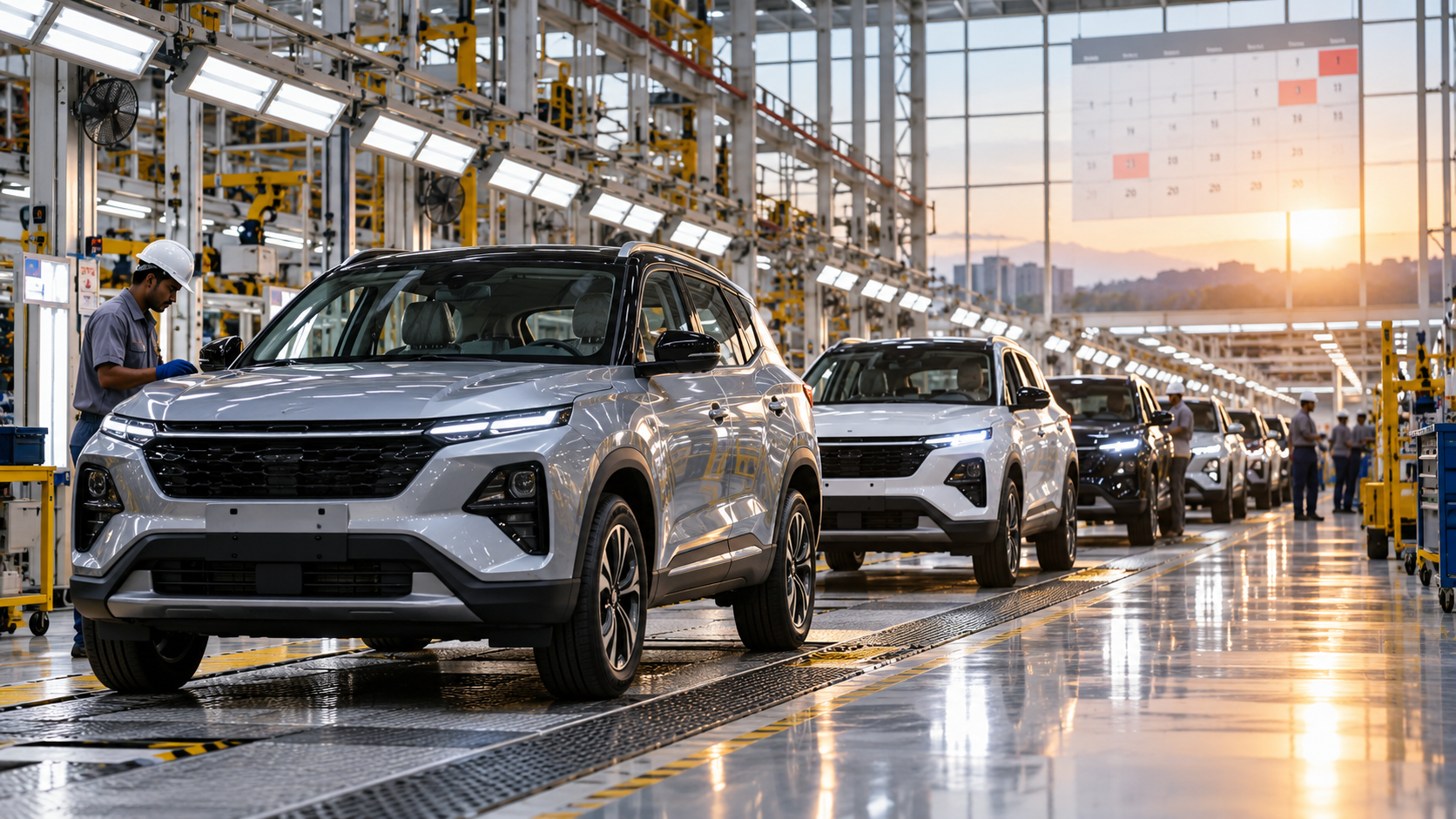
A launch timeline in plain English
- Testing: the vehicle or component is being evaluated; final specification may be unsettled.
- Reveal: the manufacturer shows the product; price or complete variants may still be pending.
- Price announcement: a buyer can finally compare the product with available alternatives.
- Start of deliveries: allocation, preferred variant and city determine the real waiting period.
| Language you see | How to use it |
|---|---|
| Officially announced | Check the manufacturer release and exact wording. |
| Expected | Use it for shortlist timing, not for a financial commitment. |
| Dealer indication | Ask what document or allocation data supports it. |
| Booking open | Read cancellation, price-protection and delivery clauses. |
What buyers can control
Set a personal deadline. If the current car or transport arrangement becomes costly before that deadline, compare available models on their own merit. If the future model has a confirmed body style or powertrain you truly need, wait until price and specifications are published rather than booking around a guess.
The honest use of an expected date is simple: it tells you when to watch. It does not tell you exactly when keys will be handed over.